Top Custom Software Development Companiesin India

Space-to-Tech Technology is a leading custom software development company in Noida, India, delivering 200+ scalable solutions across 15+ industries — helping startups and enterprises in the US, UK, UAE, and Australia build, launch, and scale faster through expert offshore development and IT outsourcing.

Trusted by startups and enterprises across India

Eureka ForbesMahalaxmiLiquidclearMax LifeDomino'sOkomo360Eureka ForbesMahalaxmiLiquidclearMax LifeDomino'sOkomo360

Understanding What Custom Software Development Really Means

So, what is custom software development in practical terms? It's the process of designing and building software specifically for a business instead of buying a generic off-the-shelf product used by thousands of companies. Some times people call it bespoke software. Same idea.

A logistics company tracking fleet movement across multiple cities won't operate like a healthcare provider managing patient records. Their workflows, compliance requirements, reporting systems, and integration are completely different. Pre-built tools usually solve maybe 60% of the problem. The remaining 40% becomes operational friction. That's where custom software solutions matter.

Logistics Management

Fleet tracking across multiple cities

Healthcare Systems

Secure patient record management

Enterprise Automation

From spreadsheets to scalable systems

Why India Continues to Lead GlobalSoftware Development

There's a reason global brands keep hiring software development companies in India.

5.8M+

Developers

Domain-driven development that solves real problems.

1.5M

Engineering Graduates

Entering the workforce annually

$224B

IT Exports (FY25)

India's IT exports crossing $224 billion in FY25

RegionAvg. Senior
Developer Rate/hr
India$25 – $40
USA$100 – $150
UK$80 – $120
UAE$40 – $70

Ready to Build Your Next Digital Product?

Work with experienced developers building scalable solutions for global businesses.

Top Software Development Firms in India Worth Evaluating in 2026

If you're comparing the top custom software development companies in india, the market is broad. Some firms focus on enterprise transformation. Others specialize in startups or offshore product engineering.

COMPANYHQSpecializationBest For
Space to Tech TechnologyNoida, IndiaCustom software, AI, mobile apps, blockchainFast-growing startups to mid-enterprise brands
InfosysBengaluruERP, digital transformationLarge-scale enterprise businesses
TCSMumbaiEnterprise IT, AI, CloudFortune 500 enterprise solutions
WiproBengaluruDevOps, AI, cloud engineeringEnterprise modernization and digital transformation
eSparkBizAhmedabadAI-driven software solutionsSMBs and growing local businesses
TatvaSoftAhmedabadEnd-to-end software engineeringEarly-stage startups and SaaS companies
ValueCodersNoidaWeb and mobile engineeringSMBs looking for scalable digital solutions
Clarion TechnologiesPuneEnterprise softwareSMBs focused on growth and automation
IPHS TechnologiesDelhi NCRCustom app developmentStartups building innovative tech products

Why Global Businesses Trust Space to Tech Technology for Scalable Software Development

At Space to Tech Technology, we combine the speed and flexibility of a startup with the execution standards of an enterprise technology partner.

Based in Noida, India, our team has delivered SaaS platforms, healthcare systems, AI-powered dashboards, blockchain solutions, and mobile applications for clients across 20+ countries. Many businesses approach us after disappointing outsourcing experiences.

Software Engineering Services Offered by Space to Tech

Custom Software Development icon

Custom Software Development

We build tailored software solutions for businesses that outgrow generic tools. That includes internal enterprise platforms, operational dashboards, workflow automation systems.

Web Application Development icon

Web Application Development

Our custom web app development company in india team builds SaaS products, enterprise portals, admin dashboards, customer systems, and cloud-native platforms.

Mobile App Development icon

Mobile App Development

As one of the steadily growing mobile app development companies in india, we build both native and cross-platform mobile applications using Flutter and React Native.

AI & Machine Learning Solutions icon

AI & Machine Learning Solutions

We build tailored software solutions for businesses that outgrow generic tools. That includes internal enterprise platforms, operational dashboards, workflow automation systems.

Blockchain Development icon

Blockchain Development

Our custom web app development company in india team builds SaaS products, enterprise portals, admin dashboards, customer systems, and cloud-native platforms.

IoT Development icon

IoT Development

As one of the steadily growing mobile app development companies in india, we build both native and cross-platform mobile applications using Flutter and React Native.

UI/UX Design icon

UI/UX Design

Our custom web app development company in india team builds SaaS products, enterprise portals, admin dashboards, customer systems, and cloud-native platforms.

QA & Testing icon

QA & Testing

As one of the steadily growing mobile app development companies in india, we build both native and cross-platform mobile applications using Flutter and React Native.

Transform Your Ideas into Powerful
Custom Software Solutions

We help startups and enterprises build secure, scalable, and high-performance digital products.

Software development team at work

What Most Software Development Agencies Actually Help With

  • Product discovery and requirement analysis
  • UI/UX prototyping and workflow mapping
  • MVP engineering for startups
  • Full-stack software development
  • API integrations and cloud deployment
  • QA automation and performance testing
  • Post-launch optimization and support
  • Dedicated engineering teams for long-term scaling

A strong full-stack development company india partner also helps businesses make technical decisions early - framework selection, infrastructure planning, scalability preparation, DevOps architecture, and cloud cost optimization.

Industries Where We Deliver Custom Software Systems

Healthcare & Telemedicine

Healthcare & Telemedicine

Applications help manage consultations and patient records. They also handle real-time interactions while keeping things stable for care teams.

Healthcare & Telemedicine

Applications help manage consultations and patient records. They also handle real-time interactions. This is done while keeping things stable and making sure data is handled in a way. This is really important, in places where things have to work all the time. Clear triage and follow-up paths reduce guesswork when schedules are full. Access controls and audit trails support trust without slowing clinicians down.

E-Commerce & Retail

E-Commerce & Retail

Performance directly impacts conversions. Fast browsing, stable checkout, and traffic spikes handled without slowing down.

E-Commerce & Retail

Performance directly impacts conversions. The focus stays on fast product browsing, stable checkout flows, and handling traffic spikes without slowing down during high-demand periods. Catalog slices, image lazy-loading, and predictable pagination keep first paint sharp. Cart and payment steps recover gracefully from brief network blips. Inventory and promos stay in sync so shoppers rarely hit dead ends. Search and filters stay responsive on mid-range devices.

FinTech & Banking

FinTech & Banking

Financial applications require precise execution—secure authentication, real-time transactions, and stable integrations.

FinTech & Banking

Financial applications require precise execution. Secure authentication, real-time transactions, and stable integrations are handled in environments where even small delays create larger risks. Step-up checks feel fast, not blocking. Ledger updates and receipts stay consistent across channels. Monitoring catches anomalies early so teams can intervene before balances drift. Third-party rails fail over cleanly instead of leaving users stuck.

Logistics & Supply Chain

Logistics & Supply Chain

Operations depend on visibility—tracking, route updates, and coordination without interruptions.

Logistics & Supply Chain

Operations depend on visibility. Apps handle tracking, route updates, and backend coordination so businesses can monitor movement without interruptions. Drivers get clear manifests and exception flows when a stop slips. Dispatch dashboards reflect live ETAs without hammering the API. Proof-of-delivery and handoff scans close the loop for finance and support. Offline pockets buffer critical reads until signal returns.

EdTech & E-Learning

EdTech & E-Learning

Users don't always have stable connections. Platforms handle offline access and consistent delivery across devices.

EdTech & E-Learning

Users don't always have stable connections. Platforms are designed to handle offline access and consistent content delivery across devices. Lessons, quizzes, and media resume where learners left off. Progress syncs when connectivity returns without duplicate submissions. Classroom and cohort views stay legible on small screens. Release cadence favors stability so exam week is never a surprise deploy.

Social Networking

Social Networking

Growth can be unpredictable. Applications manage real-time updates and scaling without performance drops.

Social Networking

Growth can be unpredictable. Applications are built to manage real-time updates and scaling challenges without performance drops. Feeds and notifications batch sensibly under load. Moderation queues stay usable when spikes hit. Media and chat avoid blocking the main thread on modest phones. Feature flags and gradual rollout limit blast radius when experiments ship.

On-Demand & Marketplace

On-Demand & Marketplace

Speed and coordination matter—matching, notifications, and transactions designed to work without delays.

On-Demand & Marketplace

Speed and coordination matter. Matching systems, notifications, and transaction handling are designed to work without delays. Supply and demand signals update without thrashing the client. Push and in-app alerts respect quiet hours yet surface time-sensitive offers. Disputes and payouts follow transparent states both sides can track. Maps and ETAs stay honest when traffic or weather shifts mid-trip.

Real Estate

Real Estate

Search experience defines usability—filters, maps, and listing performance reduce friction in discovery.

Real Estate

Search experience defines usability. Filters, maps, and listing performance are structured to reduce friction in property discovery. Saved searches and alerts feel instant without re-querying everything. Tour scheduling respects agent calendars and time zones. Document rooms keep versions tidy for buyers, sellers, and counsel. Performance budgets stop galleries from freezing mid-scroll.

Food & Hospitality

Food & Hospitality

Ordering flows must remain fast and reliable. Every step—from browsing to checkout—is optimized to reduce drop-offs.

Food & Hospitality

Ordering flows must remain fast and reliable. Every step—from browsing to checkout—is optimized to reduce drop-offs. Reservations and kitchen pacing stay aligned when dine-in, pick-up, and delivery peak together. KDS and courier handoffs match promised prep times. Payments, tips, and retries stay calm so one hiccup does not abandon the basket. Loyalty and menu updates stay quick on everyday staff devices.
SaaS & Enterprise Tools

SaaS & Enterprise Tools

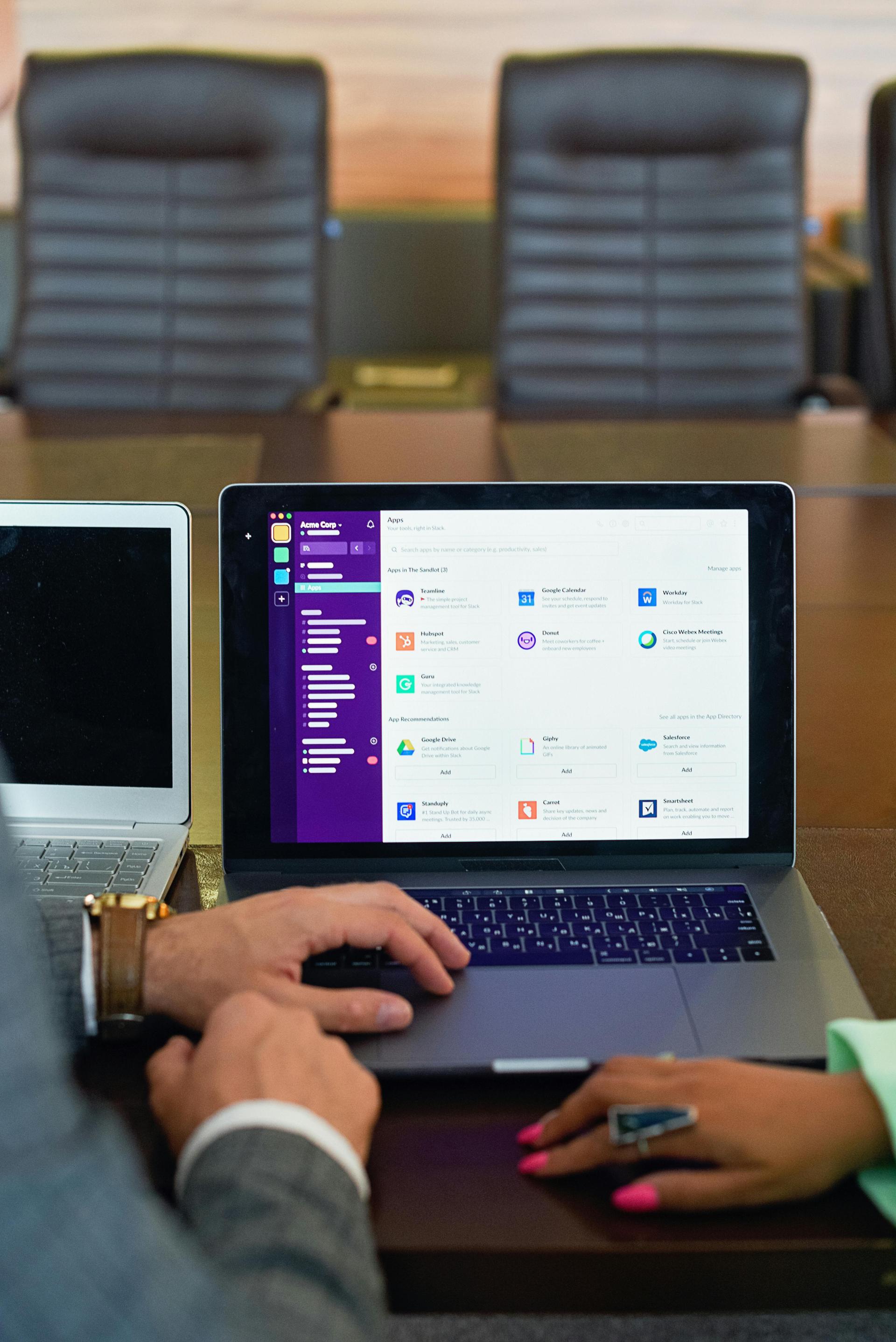
Applications support internal operations—multi-user dashboards and integrations built for consistent performance.

SaaS & Enterprise Tools

Applications support internal operations. Multi-user environments, dashboards, and integrations are structured for consistent performance. Role-aware navigation keeps noise low for each persona. Heavy charts stream aggregates instead of shipping giant payloads. Webhooks and imports retry with backoff so nightly jobs finish cleanly. Observability ties UI latency to backend queues for faster triage.

Manufacturing

Manufacturing

Legacy systems are common. Apps integrate without replacing existing infrastructure entirely.

Manufacturing

Legacy systems are common. Apps are designed to integrate without replacing existing infrastructure entirely. Read-only mirrors and scoped writes reduce risk to PLCs and historians. Floor tablets tolerate gloves, dust, and intermittent Wi-Fi. Shift handovers capture notes and counts without duplicate entry. Change windows and staged rollouts avoid surprises during production peaks.

Travel & Hospitality

Travel & Hospitality

Users expect instant results—booking flows and real-time updates without delays or inconsistencies.

Travel & Hospitality

Users expect instant results. Booking flows and real-time updates are handled without delays or inconsistencies. Fare and room rules evaluate quickly before checkout. Itinerary changes propagate to wallets and notifications in one pass. Partner feeds degrade gracefully when an upstream API slows. Currency and locale stay coherent across search, pay, and post-trip support.

Healthcare & Telemedicine

Healthcare & Telemedicine

Applications help manage consultations and patient records. They also handle real-time interactions while keeping things stable for care teams.

Healthcare & Telemedicine

Applications help manage consultations and patient records. They also handle real-time interactions. This is done while keeping things stable and making sure data is handled in a way. This is really important, in places where things have to work all the time. Clear triage and follow-up paths reduce guesswork when schedules are full. Access controls and audit trails support trust without slowing clinicians down.

E-Commerce & Retail

E-Commerce & Retail

Performance directly impacts conversions. Fast browsing, stable checkout, and traffic spikes handled without slowing down.

E-Commerce & Retail

Performance directly impacts conversions. The focus stays on fast product browsing, stable checkout flows, and handling traffic spikes without slowing down during high-demand periods. Catalog slices, image lazy-loading, and predictable pagination keep first paint sharp. Cart and payment steps recover gracefully from brief network blips. Inventory and promos stay in sync so shoppers rarely hit dead ends. Search and filters stay responsive on mid-range devices.

FinTech & Banking

FinTech & Banking

Financial applications require precise execution—secure authentication, real-time transactions, and stable integrations.

FinTech & Banking

Financial applications require precise execution. Secure authentication, real-time transactions, and stable integrations are handled in environments where even small delays create larger risks. Step-up checks feel fast, not blocking. Ledger updates and receipts stay consistent across channels. Monitoring catches anomalies early so teams can intervene before balances drift. Third-party rails fail over cleanly instead of leaving users stuck.

Logistics & Supply Chain

Logistics & Supply Chain

Operations depend on visibility—tracking, route updates, and coordination without interruptions.

Logistics & Supply Chain

Operations depend on visibility. Apps handle tracking, route updates, and backend coordination so businesses can monitor movement without interruptions. Drivers get clear manifests and exception flows when a stop slips. Dispatch dashboards reflect live ETAs without hammering the API. Proof-of-delivery and handoff scans close the loop for finance and support. Offline pockets buffer critical reads until signal returns.

EdTech & E-Learning

EdTech & E-Learning

Users don't always have stable connections. Platforms handle offline access and consistent delivery across devices.

EdTech & E-Learning

Users don't always have stable connections. Platforms are designed to handle offline access and consistent content delivery across devices. Lessons, quizzes, and media resume where learners left off. Progress syncs when connectivity returns without duplicate submissions. Classroom and cohort views stay legible on small screens. Release cadence favors stability so exam week is never a surprise deploy.

Social Networking

Social Networking

Growth can be unpredictable. Applications manage real-time updates and scaling without performance drops.

Social Networking

Growth can be unpredictable. Applications are built to manage real-time updates and scaling challenges without performance drops. Feeds and notifications batch sensibly under load. Moderation queues stay usable when spikes hit. Media and chat avoid blocking the main thread on modest phones. Feature flags and gradual rollout limit blast radius when experiments ship.

On-Demand & Marketplace

On-Demand & Marketplace

Speed and coordination matter—matching, notifications, and transactions designed to work without delays.

On-Demand & Marketplace

Speed and coordination matter. Matching systems, notifications, and transaction handling are designed to work without delays. Supply and demand signals update without thrashing the client. Push and in-app alerts respect quiet hours yet surface time-sensitive offers. Disputes and payouts follow transparent states both sides can track. Maps and ETAs stay honest when traffic or weather shifts mid-trip.

Real Estate

Real Estate

Search experience defines usability—filters, maps, and listing performance reduce friction in discovery.

Real Estate

Search experience defines usability. Filters, maps, and listing performance are structured to reduce friction in property discovery. Saved searches and alerts feel instant without re-querying everything. Tour scheduling respects agent calendars and time zones. Document rooms keep versions tidy for buyers, sellers, and counsel. Performance budgets stop galleries from freezing mid-scroll.

Food & Hospitality

Food & Hospitality

Ordering flows must remain fast and reliable. Every step—from browsing to checkout—is optimized to reduce drop-offs.

Food & Hospitality

Ordering flows must remain fast and reliable. Every step—from browsing to checkout—is optimized to reduce drop-offs. Reservations and kitchen pacing stay aligned when dine-in, pick-up, and delivery peak together. KDS and courier handoffs match promised prep times. Payments, tips, and retries stay calm so one hiccup does not abandon the basket. Loyalty and menu updates stay quick on everyday staff devices.

SaaS & Enterprise Tools

SaaS & Enterprise Tools

Applications support internal operations—multi-user dashboards and integrations built for consistent performance.

SaaS & Enterprise Tools

Applications support internal operations. Multi-user environments, dashboards, and integrations are structured for consistent performance. Role-aware navigation keeps noise low for each persona. Heavy charts stream aggregates instead of shipping giant payloads. Webhooks and imports retry with backoff so nightly jobs finish cleanly. Observability ties UI latency to backend queues for faster triage.

Manufacturing

Manufacturing

Legacy systems are common. Apps integrate without replacing existing infrastructure entirely.

Manufacturing

Legacy systems are common. Apps are designed to integrate without replacing existing infrastructure entirely. Read-only mirrors and scoped writes reduce risk to PLCs and historians. Floor tablets tolerate gloves, dust, and intermittent Wi-Fi. Shift handovers capture notes and counts without duplicate entry. Change windows and staged rollouts avoid surprises during production peaks.

Travel & Hospitality

Travel & Hospitality

Users expect instant results—booking flows and real-time updates without delays or inconsistencies.

Travel & Hospitality

Users expect instant results. Booking flows and real-time updates are handled without delays or inconsistencies. Fare and room rules evaluate quickly before checkout. Itinerary changes propagate to wallets and notifications in one pass. Partner feeds degrade gracefully when an upstream API slows. Currency and locale stay coherent across search, pay, and post-trip support.

Space to Tech Technology's Proven Software Development Process

Space to Tech Technology follows a flexible process that keeps projects structured and adaptable.

  • Discovery & Requirement Analysis

    Understand goals, define requirements, and create a clear project roadmap before development begins.

  • UI/UX Design & Prototyping

    Design intuitive user experiences and interactive prototypes that improve usability and product flow.

  • Agile Development Sprints

    Build products in agile cycles for faster delivery, continuous feedback, and easier improvements.

  • QA & Testing

    Perform continuous testing to ensure performance, functionality, security, and reliable user experiences.

  • Deployment & DevOps

    Rapid sprints, continuous integration, and clean code implementation by expert devs.

  • Post-Launch Support

    Monitor performance, fix issues, and improve features to keep products running smoothly after launch.

What Does Custom Software Development Usually Cost in India?

Pricing varies more than people expect. A lightweight MVP and a multi-region enterprise platform aren't remotely comparable in scope, infrastructure complexity, or engineering effort.

Simple web or mobile MVP
$5,000 - $15,000
6–10 weeks
Mid-scale SaaS platform
$15,000 - $50,000
3–6 months
Enterprise software
$50,000 - $200,000+
6–12+ months
AI-integrated platform
$30,000 - $150,000+
4–9 months
Custom eCommerce platform
$10,000 - $40,000
2–5 months

Factors Influencing Project Capital

Several things affect pricing: Infrastructure complexity, Third-party integrations, UI/UX depth, Team structure, AI or ML requirements, Timeline urgency. We usually begin with fixed-scope estimates to avoid surprise budget escalations later.

For project-specific scoping, businesses can contact our team directly. Most response timelines stay within 24–48 hours.

INFRASTRUCTURE

Cloud Scaling

COMPLIANCE

Security Protocols

UI/UX

Visual Fidelity

INTEGRATION

Third-party APIs

Best Indian Cities for Hiring Software Engineers

India's strongest engineering ecosystems are spread across multiple cities now. Bangalore still dominates enterprise tech and startup ecosystems. Hyderabad has become strong in cloud and enterprise engineering. Pune continues growing steadily for SaaS and backend infrastructure.

But Noida and Delhi NCR are becoming increasingly important for offshore product engineering and startup-focused delivery. Today, Noida alone supports 200+ IT companies and over 100,000 professionals across software, AI, cloud infrastructure, and digital product engineering. That concentration has helped position the region as a serious custom software development company in noida hub.

Why International Clients Continue Choosing Space to Tech

Clients usually come to us for engineering. They stay because delivery stays consistent. We've completed 200+ software development projects across healthcare, logistics, SaaS, eCommerce, fintech, and enterprise automation. Our teams work with startups, mid-market businesses, and enterprise clients across the USA, UK, UAE, Australia, and India.

"The biggest difference wasn't speed. It was clarity. We always knew what was happening inside the sprint."
Bag icon
— US-BASED HEALTHCARE CLIENT

NDA Protection

Strict confidentiality frameworks.

IP Transfer

100% source code ownership.

Transparency

Real-time operational visibility.

Post-launch

Continuity & maintenance.

Clutch 5.0 rating

Recognized. Trusted. Preferred

Awards & Recognition

We are proud to be recognized by leading platforms and industry experts for our innovation, impact, and excellence

TopDevelopers

TopDevelopers

Top Mobile App Developers

Freelancer

Freelancer

Top Mobile App Developers

AppFutura

AppFutura

Top Mobile App Developers

GoodFirms

GoodFirms

Top Mobile App Development

Clutch

Clutch

Top Mobile App Developers

Excellence isn't claimed.It's recognized

These achievements reflect our commitment to
delivering world-class AI solutions that help
businesses grow and lead

Frequently Asked Questions About Custom Software Development in India

Custom software development is the process of building software specifically for a business instead of using generic pre-built tools. It allows companies to create workflows, integrations, and features aligned with operational requirements.
Costs vary based on scope, infrastructure complexity, integrations, AI features, and delivery timelines. Most MVPs start around $5,000, while enterprise-grade platforms can exceed $200,000.
Businesses choose custom software development companies in india because of technical expertise, lower engineering costs, large developer availability, and strong offshore delivery experience.
Yes. Many Indian engineering teams manage enterprise platforms handling millions of users, cloud-native infrastructure, AI systems, and high-volume transaction environments.
Most teams work across Node.js, React, React Native, Flutter, Python, PostgreSQL, AWS, Kubernetes, AI frameworks, and cloud-native enterprise software systems.
Simple MVPs may take 6–10 weeks. Mid-scale SaaS platforms typically require several months. Enterprise systems often run across longer phased delivery cycles.

Supporting Insights

How to Choose the Right Custom Software Development Company, 2026 buyer's guide cover image
Blogs04/08/2026

How to Choose the Right Custom Software Development Company (2026 Buyer's Guide)

Who this guide is for: founders, CTOs, startup teams, and business leaders who are evaluating software development partners and want a repeatable process, not just a list of generic tips. Most vendor decisions do not go wrong because a business skipped research. They go wrong because the buyer researched properly and still got sold to well. A polished case study and a confident sales call do not tell you who will actually be on your project once the contract is signed, how the team handles a missed sprint, or who owns the code if the relationship sours. This is the real problem behind how to choose a custom software development company: the criteria most guides suggest, like checking a portfolio or asking about communication, are necessary but nowhere near sufficient. This guide goes further. It gives you a nine step framework, a weighted vendor scorecard, a literal script for your discovery call, and a contract checklist built from the mistakes that keep showing up in real engagements. Use it to compare every company on your shortlist using the same evidence, not the same impression. Why Choosing the Right Software Development Company Matters The cost of getting this decision wrong is not hypothetical. Research from McKinsey and the University of Oxford , based on more than 5,400 large IT projects, found that these projects run 45 percent over budget on average and deliver far less value than promised, with software projects carrying the highest risk of the group. A wrong vendor rarely fails on day one. It fails slowly, through missed deadlines, quiet scope changes, and a codebase that nobody else can safely touch once the original team moves on. Most businesses eventually turn to a Custom Software Development Company precisely because off the shelf software cannot support how they actually operate, or because owning the technology outright is a competitive advantage worth protecting. Getting the vendor evaluation right up front is the cheapest risk management you will do on the entire project. Step 1: Define Your Project Before You Talk to Any Vendor Every strong evaluation starts with clarity you bring to the table, not clarity you expect a vendor to extract from you on a sales call. Before you contact anyone, write down: The business problem you are solving and what success looks like six months after launch A rough scope, budget range, and timeline, even if it is not exact yet Whether you are building an MVP, modernizing legacy software, or scaling an existing product Whether you operate in a regulated industry, such as healthcare or fintech, where compliance shapes the build If you are still new to custom software and want the fundamentals first, read our complete Custom Software Development Guide before you start comparing vendors. Step 2: Build Your Shortlist the Right Way A shortlist of 3 to 5 companies is enough. More than that creates decision fatigue and makes every proposal start to sound the same. Look for candidates through referrals, review platforms like Clutch , and direct search. If you want a pre-vetted starting point, our list of Top Software Development Companies is a reasonable place to begin, alongside region specific roundups like Top Custom Software Development Companies in India and Top Custom Software Development Companies in the USA if you would rather work closer to home. Before reaching out, check whether each company's case studies describe a real business outcome or just a list of technologies used. If you are weighing India specifically as an outsourcing destination, our guide on how to Hire Software Developers from India covers what that market looks like in practice. Step 3: Evaluate Technical Expertise and Experience Portfolio relevance matters more than portfolio size. A company with three projects in your industry is usually a safer bet than one with thirty unrelated ones. Check tech stack fit, ask for real project outcomes instead of marketing language, and treat certifications as supporting evidence, not the deciding factor. For a deeper, developer level checklist, see our breakdown of Skills to Verify Before Hiring Developers . The table below is a quick way to sense-check what you are actually seeing on a call, versus what a confident sales pitch wants you to hear.  Poor Vendor Signal  Great Vendor Signal  Only promises, no process shown  Shows a documented process and can explain trade-offs  Cheap estimate with vague scope  Transparent estimate with clear assumptions  No dedicated QA  Dedicated QA and a defined testing process  No pilot offered  Open to a small paid pilot before full commitment  Generic portfolio, no real outcomes  Case studies with measurable business outcomes  Only sales reps on calls  Introduces the actual delivery team before signing  Vague on IP ownership  IP ownership stated clearly in writing Step 4: Ask the Right Questions on the Discovery Call This is the single highest value conversation in the entire process, and most buyers waste it on small talk. Come with specific questions and pay close attention to how directly each one gets answered.  Question  What a Strong Answer Sounds Like  Who specifically will work on my project?  Names and backgrounds of the actual delivery team, not just the sales contact  What happens when a sprint does not deliver what was planned?  A clear escalation and recovery process, not a vague reassurance  How do you handle scope changes and pricing?  A documented change process with clear pricing impact  What does your QA and security process look like?  Specific practices described, not just "we do code reviews"  Can you describe a project that did not go as planned?  A real, specific example and what the team learned from it Step 5: Check AI Readiness Without Falling for Buzzwords Almost every company now claims AI expertise, so the word alone tells you nothing. According to the Stack Overflow 2025 Developer Survey of more than 49,000 developers, 84 percent now use or plan to use AI coding tools, yet only 29 percent say they trust the accuracy of that output, a sharp drop from the year before. That gap is exactly what you need to probe. Ask which AI tools are used at each stage of delivery, how AI generated code is reviewed before it reaches your codebase, and what the company's policy is on exposing your code to third party AI training pipelines. A team that has actually thought this through will give you a specific answer. A team that has not will talk about AI in general terms and move on quickly. Step 6: Compare Proposals the Right Way, Not Just by Price The lowest number on a proposal is rarely the lowest total cost. Here is a realistic example of how two quotes for the same project can look very different once you read past the headline figure.  Company A, $40,000 Quote  Company B, $58,000 Quote  Fixed price, limited revisions included  Fixed price, three planned revision rounds included  No dedicated QA phase mentioned  Dedicated QA and a security review included  Post launch support billed separately at standard hourly rate  30 days of post launch support included  Team not named before signing  Named delivery team introduced during discovery Company B costs $18,000 more upfront, but Company A's quote excludes QA, revisions beyond the first round, and post launch support, all of which get billed later at an hourly rate. Once those costs are added back in, Company A is often the more expensive option over the full project lifecycle, not the cheaper one. When you compare proposals, read what is included and excluded, the assumptions behind the estimate, and the payment milestones, not just the total at the bottom of the page. Step 7: Understand Engagement Models and Pricing  Model  Best For  Watch Out For  Fixed Price  Clearly defined, stable scope, shorter timelines  Inflexible if requirements change, contingency is often priced in  Time and Materials  Evolving requirements, iterative development  Costs can expand without strong oversight  Dedicated Team  Long term product development  Needs active management and an onboarding ramp up period Also ask about hidden costs, onboarding ramp up, rework, knowledge transfer, and currency fluctuation if you are working with an international vendor. For a general cost benchmark before you compare quotes, see our breakdown of the Cost to Hire Software Developers , and if you are still deciding between a dedicated team and freelance talent, we compare both directly in Dedicated Developers vs Freelancers . Step 8: Review the Contract Before You Sign This is where vendor lock in gets built in or ruled out. Watch for clauses that let a vendor retain rights over reusable frameworks or proprietary infrastructure, since that keeps you dependent on them long after the original project ends. Ask whether their QA and security process follows recognized standards such as the OWASP secure coding guidelines, and confirm every item below is addressed in writing before you sign.  Item  What to Confirm  NDA  Signed before sharing any project details or proprietary information  IP and Source Code Ownership  All code, documentation, and assets transfer fully to you upon payment  Exit Clause  Clear terms for ending the engagement and transferring work in progress  SLA  Defined response times for critical, high, and low priority issues  Warranty  A defined post launch period during which defects are fixed at no extra cost  Source Code Access  Ongoing access to a live repository, not just a final handover file Step 9: Run a Paid Pilot Before Full Commitment A small paid pilot or proof of concept is the highest signal step most buyers skip, usually because it feels like an extra cost and an extra delay. It is neither. A one to two week pilot costs a fraction of the full project and tells you more than any reference call will. Use it to evaluate communication quality, how the team handles ambiguity, code quality, and documentation habits before you commit to the full engagement. Vendor Red Flags to Watch For  Red Flag  Why It Matters  Only sales reps join every call  You may never meet the people actually building your product  Detailed proposal within 24 hours of a vague brief  Suggests they are optimizing for closing the deal, not understanding the project  Vague answers about IP ownership  Can lead to vendor lock in later  Resistance to a small paid pilot  A confident team is usually glad to demonstrate their process  Communication slows down after signing  A known pattern in engagements that later run into trouble This list focuses on evaluating a company. If you are hiring individual developers rather than a company, see our broader list of Red Flags When Hiring Developers for developer-specific warning signs. What Happens After You Sign the Contract A healthy engagement has a visible rhythm from week one. Onboarding should include access setup, a kickoff call with the named delivery team, and a documented plan for the first sprint. Most reliable partners run on Agile principles, meaning short sprints, regular standups, and a working demo at the end of each cycle rather than a single handoff months later. Reporting should be proactive, a short written update or a live demo on a fixed cadence, not something you have to chase down. If any of this is missing in the first two weeks, treat it as an early warning sign rather than something that will sort itself out. Your Vendor Evaluation Scorecard This is a worksheet, so the Score and Weighted Score columns are left blank on purpose. Copy this table for every vendor on your shortlist, score each row from 1 to 5, multiply by the weight, and total the result. A vendor that feels strongest on the call is not always the vendor that scores highest once every category is counted, which is exactly the point of doing this on paper instead of from memory.  Criteria  Weight  Score (1 to 5)  Weighted Score  Technical Skills  20%      Communication  15%      Security  15%      Portfolio  15%      Pricing  10%      Team Stability  10%      Support  15%      Total  100%     Worked example: if a vendor scores 4 out of 5 on Technical Skills, which carries a 20 percent weight, that row contributes 0.8 to the total. Do this for all seven rows and add them up, the vendor with the highest total out of 5 is your strongest option on paper, not just the one who sounded best on the call. Before You Sign, Use This Checklist Run through this list one final time before any contract goes out for signature.  Check  Item  [ ]  Project scope, budget, and timeline are documented  [ ]  Shortlist of 3 to 5 vendors created  [ ]  Each vendor scored using the evaluation scorecard  [ ]  Discovery call completed with all key questions asked  [ ]  Proposal reviewed for assumptions, exclusions, and milestones  [ ]  Contract checklist reviewed, NDA, IP, SLA, warranty, exit clause  [ ]  Paid pilot completed or scheduled Choose the Partner, Not Just the Pitch A good custom software development company earns trust through process, not promises. It shows you the actual team, answers scope and IP questions in writing, and is glad to prove itself in a small paid pilot before asking for the full engagement. Run every company on your shortlist through the scorecard, the discovery call questions, and the contract checklist in this guide, and you will make this decision on evidence instead of a gut feeling built from a good sales call. Ready to talk through your project with a team that will show you the process first? Get in touch with our Custom Software Development Services team.

Top Software Developers in Delhi
Blogs05/06/2026

Top Software Developers in Delhi: 15 Best Software Development Companies (2026)

Delhi NCR has emerged as one of India's most dynamic technology hubs, home to thousands of software developers, innovative startups, and world-class software development companies. Whether you are a startup looking to build your first MVP or an enterprise seeking to modernize legacy systems, finding the right software development company in Delhi can make or break your project. In this comprehensive guide, we have researched and curated the 15 best software development companies in Delhi NCR — covering Noida, Gurgaon, and Faridabad — to help you make an informed decision. We evaluated each company on technical expertise, portfolio quality, client reviews, industries served, and post-launch support. By the end of this guide, you will know exactly which top software companies in Delhi NCR are best suited to your business needs, technology stack, and budget. >>> Need a Custom Software Solution? Talk to SpaceToTech Experts Today! Get a FREE consultation with our senior software architects. We help businesses across Delhi NCR build scalable, secure, and high-performance software applications tailored to their goals. Click here: https://spacetotech.com/contact Quick Overview: Top 15 Software Development Companies in Delhi (2026)  #  Company  Founded  Team Size  Core Services  Industries 1 SpaceToTech 2022 50-200 Custom Software, Web, Mobile, AI/ML, ERP FinTech, Healthcare, Retail, EdTech 2 Techugo 2015 200+ Mobile Apps, Web, IoT, AI Healthcare, Retail, Travel 3 Webkul Software 2010 300+  eCommerce, ERP, CRM, SaaS  Retail, B2B, Manufacturing 4 Successive Digital 2012 200+  Digital Transformation, Cloud, DevOps Enterprise, FinTech, EdTech 5 Newgensoft 1992 3000+  BPM, ECM, RPA, Banking Software Banking, Insurance, Government 6  Mobileware Technologies 2005 200+ Banking Software, Digital Payments Banking, NBFC, Payments 7 Quytech 2010 150+ AR/VR, AI, Blockchain, Mobile Apps Gaming, Healthcare, E-learning 8 Peerbits 2011 150+ Mobility, IoT, AI, Cloud Logistics, Healthcare, Real Estate 9 Algoworks 2006 250+ Salesforce, Mobile, Enterprise CRM Healthcare, Legal, Finance 10 BrainVire 2000 1000+ eCommerce, CRM, Cloud, BI Retail, Manufacturing, Travel 11 TechAhead 2009 150+ Mobile Apps, Web, Digital Strategy Fitness, Food, Finance 12 Vinove Software 2007 100+ Web, Mobile, UI/UX Travel, Real Estate, Healthcare  13 Mindfire Solutions 1999 1000+ Software Dev, QA, Data Analytics Energy, Media, Healthcare  14 Digicorp 2006 100+ Product Engineering, Cloud, AI HealthTech, FinTech, SaaS 15 CES (Computer Enterprises) 1968 1000+ ERP, IT Staffing, Custom Software Manufacturing, BFSI, Telecom Why Hire Software Developers in Delhi? Delhi NCR is not just India's political capital — it is rapidly becoming one of Asia's top technology corridors. Here is why businesses across the globe prefer partnering with top software developers in Delhi : 1. Access to a Deep Pool of Skilled Software Talent Delhi NCR is home to premier engineering institutions such as IIT Delhi, DTU, NSIT, and Amity University, producing thousands of highly skilled software engineers every year. This translates to a rich talent pool of developers proficient in cutting-edge technologies — from AI and machine learning to cloud-native development and mobile app engineering. 2. Highly Cost-Effective Software Development Compared to hiring software developers in the US, UK, or Australia, Delhi-based software companies offer up to 60-70% cost savings without compromising on quality. This makes Delhi one of the most sought-after destinations for custom software development outsourcing globally. 3. Thriving Startup & Enterprise Ecosystem With Gurgaon's corporate tech corridor and Noida's IT parks hosting companies like HCL, Adobe, Samsung R&D, and hundreds of innovative startups, Delhi NCR presents a unique blend of startup agility and enterprise-level software development capabilities. 4. Strong Enterprise-Level Expertise Many top software companies in Delhi Gurgaon Noida have decades of experience delivering enterprise software for Fortune 500 companies. From ERP systems and banking software to advanced AI-powered platforms, Delhi's software companies have proven expertise across complex, large-scale software projects. 5. Emerging Technology Leadership Delhi NCR's software developers are at the forefront of adopting emerging technologies including Generative AI, blockchain, IoT, AR/VR, and cloud-native architectures, making them ideal partners for future-ready software solutions. How We Selected the Best Software Development Companies in Delhi Our editorial team spent weeks researching and evaluating software development companies across Delhi, Noida, and Gurgaon. Here is the selection framework we used: Technical Expertise: Depth of skills across frontend, backend, mobile, cloud, and AI/ML technologies Portfolio Quality: Complexity, scale, and diversity of past software projects Client Reviews: Ratings and testimonials on Clutch, GoodFirms, Google, and LinkedIn Industry Experience: Breadth of industries served and domain-specific knowledge Development Methodology: Use of Agile, Scrum, DevOps, and CI/CD practices Communication & Support: Responsiveness, transparency, and post-launch maintenance Scalability of Solutions: Ability to build software that grows with your business Top 15 Software Developers in Delhi NCR (2026) — Detailed Reviews 1. SpaceToTech — Best Custom Software Development Company in Delhi Overview SpaceToTech is one of the most trusted top software development companies in Delhi NCR. Founded in 2022, they have rapidly grown into a full-stack software powerhouse delivering scalable software solutions for startups, SMEs, and enterprises. With a strong emphasis on innovation and Agile development methodologies, SpaceToTech has successfully delivered 200+ software projects across 15+ countries. Their team of 50-200 software experts brings deep expertise in custom software, web applications, mobile apps, cloud platforms, and AI-powered solutions. Key Services Custom Software Development — Tailor-made software applications for your exact business needs Web Application Development — High-performance, scalable web platforms using React, Angular, Node.js Mobile App Development — iOS, Android, and cross-platform mobile apps with Flutter & React Native AI & Machine Learning Solutions — Intelligent software products powered by cutting-edge AI/ML ERP & CRM Development — Enterprise resource planning and customer relationship management systems Cloud Application Development — Cloud-native apps on AWS, Azure, and Google Cloud Software Testing & QA — Comprehensive automated and manual testing services Industries Served FinTech & Banking Healthcare & MedTech Retail & eCommerce EdTech & E-learning Platforms Logistics & Supply Chain Technology Stack Frontend: React.js, Angular, Vue.js, Next.js Backend: Node.js, Python, Java, .NET Core Mobile: Flutter, React Native, Swift, Kotlin Cloud: AWS, Microsoft Azure, Google Cloud Platform AI/ML: TensorFlow, PyTorch, Scikit-learn, OpenAI APIs Why Choose SpaceToTech SpaceToTech combines enterprise-level technical expertise with startup agility and a genuine client-first approach. Their transparent Agile development process, dedicated project managers, clear milestone-based delivery, and robust post-launch support make them the go-to partner for businesses building scalable software products from scratch. They are particularly strong in custom business software, AI-powered applications, and full-cycle product engineering. Website https://spacetotech.com/ 2. Techugo — Top Mobile App & Software Development Company Overview Techugo is a globally recognized mobile app and software development company headquartered in Noida (Delhi NCR). They have delivered 400+ apps across 30+ countries and are known for their expertise in AI-powered mobile applications, enterprise software solutions, and IoT development. They are consistently rated among the top software development companies in Noida. Key Services iOS & Android Native App Development Flutter & React Native Cross-Platform Apps IoT Application Development AI & Chatbot Solutions Enterprise Software Development Industries Served Healthcare & Wellness Retail & eCommerce Travel & Hospitality Real Estate Technology Stack Mobile: Swift, Kotlin, Flutter, React Native Backend: Node.js, Python Cloud: AWS, Firebase Why Choose Techugo Recognized by Clutch and GoodFirms among the top mobile app development companies, Techugo is ideal for businesses wanting robust, scalable mobile software applications combined with excellent UI/UX design. Their global delivery model and dedicated project teams ensure consistent quality. Website https://www.techugo.com/ 3. Webkul Software — Leading eCommerce & SaaS Product Company Overview Webkul is a Delhi-based software product company specializing in eCommerce platforms, marketplace solutions, and SaaS products. With 12,000+ modules sold and 60,000+ clients worldwide, they are one of the most prolific software product companies in India. Their open-source contributions and deep expertise in Magento, Shopify, and WooCommerce make them a top choice for retail software development. Key Services eCommerce Software Development Multi-Vendor Marketplace Solutions ERP & CRM Integration SaaS Product Development Magento, Shopify, WooCommerce Plugins Why Choose Webkul If you are in retail or eCommerce, Webkul is among the best software companies in Delhi for building advanced, scalable commerce platforms with extensive integration capabilities and a huge library of ready modules. Website https://webkul.com/ 4. Successive Digital — Digital Transformation & Cloud Experts Overview Successive Digital is a top software development company in Delhi NCR focused on digital transformation, cloud-native development, and enterprise software solutions. Formerly known as Successive Technologies, they serve Fortune 500 companies and fast-growing startups. Their expertise in building scalable software architectures and data engineering pipelines makes them a preferred partner for complex enterprise projects. Key Services Digital Transformation Consulting Cloud-Native & DevOps Engineering Product Engineering & Development Data Engineering & Analytics Enterprise Software Development Why Choose Successive Digital Known for their enterprise software expertise and structured Agile delivery, Successive Digital is ideal for mid to large businesses seeking comprehensive digital transformation partners in Delhi NCR. Website https://www.successive.tech/ 5. Newgensoft — Enterprise BPM & Banking Software Leader Overview Newgen Software Technologies is one of India's largest and most established software companies headquartered in Delhi. A globally recognized leader in Business Process Management (BPM), Enterprise Content Management (ECM), and banking software, Newgen serves major banks, insurance companies, and government agencies worldwide. They are consistently ranked among the top software companies in Delhi NCR for enterprise-grade deployments. Key Services Banking & Financial Software Solutions Business Process Management (BPM) Enterprise Content Management (ECM) Robotic Process Automation (RPA) Low-Code Application Platform Why Choose Newgensoft For enterprises in banking, insurance, or government seeking battle-tested, scalable enterprise software with a strong compliance track record, Newgen is one of the most trusted names among top software companies in Delhi. Website https://newgensoft.com/ 6-15. Other Leading Software Development Companies in Delhi NCR The following companies also rank among the top software developers in Delhi and Delhi NCR, offering specialized expertise across various domains: 6. Mobileware Technologies — Specialists in banking software and digital payment platforms for the BFSI sector. Trusted by leading banks and NBFCs across India. mobileware 7. Quytech — Cutting-edge AR/VR, AI/ML, and blockchain software development company. Ideal for gaming, healthcare, and e-learning applications.  https://www.quytech.com/ 8. Peerbits — Mobility solutions, IoT software, and cloud application development specialists serving logistics, healthcare, and real estate clients.  https://www.peerbits.com/ 9. Algoworks — Leading Salesforce consulting, enterprise CRM, and mobile app development company with strong presence in healthcare and legal sectors.  https://www.algoworks.com/ 10. BrainVire — eCommerce platforms, business intelligence & analytics, and cloud-based enterprise software solutions for retail, manufacturing, and travel.  https://www.brainvire.com/ 11. TechAhead — Mobile-first digital products, progressive web apps (PWAs), and consumer application development with a strong design-first philosophy.  https://www.techaheadcorp.com/ 12. Vinove Software — Web development, mobile apps, and UI/UX design services for travel, real estate, and healthcare clients across India and internationally.  https://vinove.com/ 13. Mindfire Solutions — Software development, quality assurance testing, and data analytics services for global clients across energy, media, and healthcare sectors.  https://mindfiretech.com/ 14. Digicorp — Product engineering, cloud solutions, and HealthTech/FinTech software development company with a strong focus on AI-driven applications. https://www.digicorp.in/ 15. CES (Computer Enterprises Inc.) — ERP implementation, IT staffing, and custom software for manufacturing and BFSI, one of India's oldest and most experienced IT firms.  https://cesindia.com/ >>> Get a Free Project Estimate from SpaceToTech — Within 24 Hours Tell us about your software project — whether it is a web app, mobile app, ERP system, or AI-powered platform — and our experts will send you a detailed cost estimate within 24 hours. No obligation, no strings attached. Click here: https://spacetotech.com/contact Software Development Services Offered by Delhi Companies The best software development companies in Delhi NCR offer a comprehensive range of services to meet diverse business needs: Custom Software Development Custom software development involves building tailor-made software applications designed specifically for your business workflows, processes, and goals. Unlike off-the-shelf software, custom solutions offer complete flexibility, better security, and long-term scalability. Top software companies in Delhi specialize in building bespoke business software for SMEs and enterprises across every industry. Enterprise Software Development Enterprise software development covers large-scale applications like ERP systems, HRMS, supply chain management software, and business intelligence platforms. Delhi's top software developers have proven expertise in delivering enterprise-grade software solutions that integrate seamlessly with existing IT infrastructure. SaaS Product Development Software as a Service (SaaS) development has seen explosive growth. Delhi-based software product companies excel at building multi-tenant SaaS platforms with robust subscription management, scalable cloud architecture, and intuitive user interfaces. ERP & CRM Development Many top 10 ERP software companies in Delhi offer end-to-end ERP implementation and custom CRM development services. These solutions streamline inventory management, sales pipelines, HR processes, and financial reporting — driving significant operational efficiency. Web Application Development From progressive web apps (PWAs) to complex multi-tier web platforms, Delhi's software developers build responsive, high-performance web applications using modern frameworks like React, Angular, and Vue.js combined with robust backend technologies. Mobile App Development Whether iOS, Android, or cross-platform, top software companies in Delhi NCR build feature-rich mobile applications with seamless user experiences. Flutter and React Native are widely adopted for cost-effective cross-platform mobile software development. AI & Machine Learning Development Leading software development companies in Delhi offer advanced AI/ML services including natural language processing, computer vision, predictive analytics, recommendation engines, and Generative AI integrations — helping businesses leverage the power of intelligent software. Cloud Application Development Cloud-native development is a core competency of top software developers in india . Services include cloud migration, serverless architecture, containerization with Docker/Kubernetes, and multi-cloud deployments on AWS, Azure, and Google Cloud. Software Testing & Quality Assurance Robust software testing is non-negotiable for production-ready applications. Top software companies in Delhi NCR offer automated testing, performance testing, security testing, and manual QA services to ensure your software is bug-free and secure. Industries Served by Software Development Companies in Delhi Healthcare & Medical Software Development Delhi-based healthcare software development companies build custom hospital management systems, telemedicine platforms, patient engagement apps, electronic health records (EHR), and medical device software compliant with industry standards like HIPAA and HL7. FinTech & Banking Software Software development companies in Delhi NCR serve leading banks, NBFCs, and FinTech startups with secure payment gateways, lending platforms, wealth management software, and core banking system modernization projects. eCommerce & Retail Software Development From multi-vendor marketplace development to inventory management and POS software, Delhi's software companies provide comprehensive retail software development services that help businesses scale their online and offline operations efficiently. Education & EdTech Software developers in Delhi build LMS platforms, virtual classrooms, AI-powered tutoring systems, and student management software for schools, colleges, and online learning startups capitalizing on India's booming EdTech sector. Real Estate Software Development Real estate software development companies in Delhi build property management platforms, CRM systems for real estate brokers, virtual tour software, and online booking systems that streamline property transactions and tenant management. Logistics & Transportation Fleet management software, route optimization tools, warehouse management systems, and last-mile delivery apps are among the key logistics software solutions built by top software companies in Delhi NCR. Manufacturing & ERP Manufacturing companies across Delhi NCR rely on custom ERP software, production planning tools, quality management systems, and IoT-enabled shop floor management software developed by specialized software companies in the region. Travel & Hospitality Travel booking engines, hotel management software, channel managers, and loyalty program platforms are developed by Delhi's top software developers to serve the unique operational requirements of the hospitality and travel sector. Technologies Used by Top Software Developers in Delhi Frontend Technologies React.js — Most popular framework for fast, interactive web applications Angular — Preferred for enterprise-grade single-page applications Vue.js — Lightweight and progressive framework for modern web UIs Next.js — Server-side rendering and static site generation for SEO-friendly apps Backend Technologies Node.js — High-performance server-side JavaScript for scalable APIs Python — Widely used for AI/ML, data processing, and rapid web development Java (Spring Boot) — Enterprise-grade backend development .NET (C#) — Microsoft-stack enterprise and Windows-based applications Go (Golang) — High-performance microservices and cloud-native apps Mobile Technologies Flutter — Cross-platform mobile development with native-level performance React Native — JavaScript-based cross-platform mobile apps Swift (iOS) & Kotlin (Android) — Native mobile app development Database Technologies MySQL & PostgreSQL — Reliable relational databases for structured business data MongoDB — Flexible NoSQL database for high-volume, unstructured data Redis — In-memory caching for high-performance, low-latency applications Cloud Platforms Amazon Web Services (AWS) — Most widely adopted cloud infrastructure platform Microsoft Azure — Preferred for enterprises using Microsoft technology stack Google Cloud Platform (GCP) — Optimal for AI/ML workloads and Big Data analytics AI & Emerging Technologies Artificial Intelligence & Machine Learning (TensorFlow, PyTorch, Scikit-learn) Generative AI — OpenAI GPT-4o, Claude, Gemini API integrations and fine-tuning Internet of Things (IoT) — Connected device platforms and edge computing Blockchain — Smart contracts, DeFi platforms, and tokenization solutions Software Development Cost in Delhi (2026 Guide) One of the most common questions businesses ask is: how much does custom software development cost in Delhi? The answer depends on several factors, but here is a practical cost breakdown to help you plan your budget effectively:  Project Type  Estimated Cost (INR)  Typical Timeline MVP / Prototype Software Rs. 2 - 5 Lakhs 4 - 8 Weeks Small Business Software Rs. 5 - 12 Lakhs 8 - 16 Weeks Medium Complexity Software Rs. 12 - 30 Lakhs 3 - 6 Months Enterprise Software Rs. 30 Lakhs - 1 Crore+ 6 - 18 Months AI/ML-Powered Applications Rs. 15 - 50 Lakhs+ 4 - 12 Months Full SaaS Platform Build Rs. 20 - 80 Lakhs 5 - 14 Months Key Factors Affecting Software Development Cost Complexity of features and functionality required in the software Technology stack selection and third-party API integrations Team composition (dedicated team vs. shared resources) Project timeline and deadline urgency UI/UX design complexity and number of user interfaces Post-launch maintenance, support, and hosting requirements Security and regulatory compliance requirements (HIPAA, PCI DSS, ISO 27001) How to Choose the Right Software Development Company in Delhi With hundreds of software development companies in Delhi NCR, making the right choice can feel overwhelming. Follow this practical step-by-step framework: Step 1: Define Your Software Requirements Clearly Before approaching any software company, document your requirements — core features, user types, integrations needed, expected user volume, and business goals. A clearly defined scope helps you get accurate proposals and avoids costly scope creep during development. Step 2: Evaluate Technical Expertise Assess whether the company has hands-on experience with the specific technologies your project requires. Ask for code samples, case studies, or technical assessments. The best software developers in Delhi are transparent and confident about their capabilities. Step 3: Review Portfolio of Past Projects Look for software projects similar in complexity and domain to yours. Live demos, detailed case studies, and direct client references are the most reliable indicators of a company's ability to deliver quality software solutions on time and within budget. Step 4: Check Client Reviews & Independent Ratings Platforms like Clutch.co, GoodFirms, and Google Reviews provide verified client testimonials. Pay close attention to reviews discussing communication quality, adherence to timelines, post-launch support responsiveness, and handling of challenges. Step 5: Assess Their Development Methodology The best software development companies in Delhi follow Agile/Scrum methodologies with regular sprint reviews, continuous integration/continuous delivery (CI/CD), and transparent progress tracking tools like Jira or Linear. Avoid companies that cannot clearly articulate their process. Step 6: Understand Post-Launch Support Software development does not end at launch day. Ensure your chosen company offers structured post-launch maintenance, bug fixing SLAs, performance monitoring, and feature enhancement roadmap support. Benefits of Custom Software Development for Businesses Increased Business Efficiency Custom software automates repetitive tasks, streamlines workflows, and eliminates manual errors — directly improving operational productivity. Unlike generic management software, custom solutions are built around your exact business processes and team structures. Enhanced Security Off-the-shelf software is a common target for cybercriminals due to its widespread use and known vulnerabilities. Custom software development allows you to implement security best practices specific to your industry and threat profile, significantly reducing attack surface. Long-Term Scalability Custom software is engineered to scale with your business. As your user base, data volume, and feature requirements grow, your software can be expanded and optimized without costly platform migrations or vendor lock-in. Competitive Advantage Businesses that invest in purpose-built software gain a significant edge over competitors relying on generic tools. Custom features tailored to your unique value proposition can become a powerful, hard-to-replicate competitive differentiator. Better Long-Term ROI While custom software development requires higher upfront investment, it eliminates recurring licensing fees, reduces dependency on multiple third-party tools, and typically delivers superior return on investment over a 3-5 year horizon compared to SaaS alternatives with feature compromises. Common Challenges in Software Development Projects — And How to Avoid Them Scope Creep Scope creep — uncontrolled expansion of project requirements — is the leading cause of budget overruns and missed deadlines. Mitigate this by thoroughly documenting requirements before development starts and implementing a formal change request process with impact assessments. Budget Overruns Unrealistic initial estimates or poorly defined requirements frequently lead to budget overruns. Work with software companies that provide detailed milestone-based cost breakdowns, use Agile sprints for predictable delivery, and offer fixed-price engagements for well-defined scopes. Communication Gaps Poor communication between your business team and the software development company leads to misaligned expectations and expensive rework cycles. Establish clear communication channels with daily standup meetings, weekly progress reports, and shared project management dashboards. Security Vulnerabilities Security is often deprioritized in favour of speed, leading to costly vulnerabilities. Insist on security-first development practices including code reviews, OWASP compliance, penetration testing, and secure coding standards throughout the entire development lifecycle. Integration Issues Modern software rarely works in isolation. Plan all integrations with third-party APIs, payment gateways, legacy systems, and data sources early in the project lifecycle to avoid costly architectural rework during later development stages. Future Trends in Software Development (2026 and Beyond) AI-Powered Software Applications Generative AI and large language models (LLMs) are fundamentally changing how software is built and used. Top software development companies in Delhi are integrating AI-powered features — intelligent search, automated content generation, predictive analytics, and AI copilots — into virtually every category of business software. Cloud-Native & Serverless Development Cloud-native architectures using microservices, serverless functions, and containerization (Docker/Kubernetes) are now the industry standard for scalable, resilient software. Delhi-based software developers are increasingly leading cloud-native modernization projects for global enterprise clients. Low-Code & No-Code Development Low-code development platforms are accelerating delivery of internal tools and business process apps. However, custom software development remains essential for performance-critical, highly specialized, or competitive-advantage applications where uniqueness matters. Cybersecurity-First Software Engineering With rising cybersecurity threats and data breach costs, security is no longer an afterthought — it is embedded into every stage of the software development lifecycle. The best software companies in Delhi now practice DevSecOps as a standard delivery methodology. Data-Driven & Analytics-Embedded Applications Businesses increasingly demand software that surfaces actionable intelligence from operational data. Real-time dashboards, AI-driven recommendations, and embedded analytics capabilities are now expected features in modern enterprise software solutions built by top software developers. Conclusion Delhi NCR is unquestionably one of India's premier destinations for software development, hosting a diverse and dynamic ecosystem of innovative startups, established software product companies, and enterprise-focused IT firms. Whether you need a custom web application, an AI-powered enterprise platform, a mobile app, or a full-scale ERP system — the right software development company in Delhi is out there. Among the 15 best software development companies in Delhi covered in this guide, SpaceToTech stands out as a versatile, full-stack software partner that combines deep technical expertise, strong business acumen, and a genuine client-first approach. Their track record of delivering scalable custom software solutions for startups and enterprises across multiple industries makes them a top choice for businesses across Delhi NCR and beyond. When choosing your software development partner, remember to: define your requirements clearly, evaluate technical expertise and portfolio quality, verify client reviews, assess the development methodology, and ensure robust post-launch support is part of the engagement. The right partner will not just build your software — they will help you build your business. >>> Ready to Build Your Dream Software? Partner with SpaceToTech! SpaceToTech has helped 200+ businesses across Delhi NCR and globally transform their ideas into powerful, scalable software solutions. Whether you are starting from scratch or modernizing existing software, our expert team is ready. Book your FREE strategy call today — let us discuss your project, timeline, and budget. Click here: https://spacetotech.com/contact

Custom Software Development Cost in India 2026 guide cover image
Blogs31/07/2026

Custom Software Development Cost in India: The Complete 2026 Pricing & Decision Guide

Custom software development cost in India ranges from around $15,000 for a lean MVP to well over $500,000 for a multi-crore enterprise platform, and that range alone will not help you set a real budget. What actually matters is where your project sits on that spectrum and why. This guide is built to be a decision-making tool, not another price list. By the end, you will know what a realistic budget looks like for a project like yours, which pricing model fits your situation, and how to spot a quote that will cause problems six months in. If you want the fuller picture of how a custom build gets planned before it even reaches the pricing stage, our Complete Guide to Custom Software Development walks through the full process from planning to launch. Quick Answer: How Much Does Custom Software Development Cost in India? Custom software development in India typically costs between $15,000 and $600,000+ , depending on complexity, with most mid-sized business applications landing between $40,000 and $150,000 . Here is the cost snapshot most readers are looking for. Treat this as a starting point, not a quote; every row below is broken down in detail further in this guide.  Project Type  Cost (INR)  Cost (USD)  Typical Timeline  Simple software / MVP  ₹13L - ₹38L  $15,000 - $40,000  6 - 14 weeks  Mid-complexity platform  ₹38L - ₹1.4Cr  $40,000 - $150,000  4 - 9 months  Enterprise-level system  ₹1.4Cr - ₹5.7Cr+  $150,000 - $600,000+  9 - 18+ months A simple software build usually means one core workflow, a handful of screens, and one or two integrations. Mid-complexity platforms add multiple user roles, several third-party integrations, and a proper admin panel. Enterprise systems bring compliance requirements, legacy-system integration, and multi-region deployment into the picture, which is where costs climb fastest. What Actually Drives Custom Software Development Cost in India Two projects with the same page count can cost twice as much as each other, and the gap rarely comes from the number of screens on the brief. It usually comes down to six variables that quietly decide the final number. Feature complexity is the biggest one: a booking flow with real-time availability checks takes far longer to build correctly than a static content page, even though both count as "one screen" on paper. Integrations add up fast too, since every third-party API you connect, a payment gateway, a CRM, a shipping provider, brings its own setup, error handling, and long-term maintenance work. Security and compliance requirements change the math further. A healthcare app that needs to handle patient data responsibly, or a fintech dashboard that needs PCI-DSS compliance, carries real engineering overhead that a standard business tool doesn't. The technology stack you choose matters as well, since a modern, well-supported stack is usually faster and cheaper to build and maintain than a niche one, mostly because more developers already know it well. Team composition plays its part too: a solo developer costs less per hour but takes longer overall, while a small dedicated team with a QA engineer and a project lead costs more per hour but usually ships faster with fewer defects. And then there's timeline pressure : compressing a six-month build into three months means paying for a bigger parallel team, which raises the total bill even though nothing about the actual scope has changed. Industry context adds its own layer. A logistics platform that needs live GPS tracking and route optimisation carries a different cost profile than a retail inventory tool, even at a similar screen count. And increasingly, one more factor shows up in almost every estimate: AI. Adding AI software development or Generative AI features, an in-app assistant, automated document processing, predictive analytics, typically adds a 15-30% premium over a standard build, mostly because of the extra data engineering and model integration work sitting underneath it. Custom Software Development Cost in India by Project Type Once you know roughly where your project falls, the next question is what that actually buys you in terms of team size and delivery time. A good development partner will tell you honestly which tier your idea actually belongs in, rather than quoting low just to win the deal.  Project Type  Cost Range (INR / USD)  Team Size  Timeline  Simple software  ₹13L - ₹38L / $15K - $40K  2 - 3 people  6 - 14 weeks  Mid-complexity platform  ₹38L - ₹1.4Cr / $40K - $150K  4 - 7 people  4 - 9 months  Enterprise-level system  ₹1.4Cr - ₹5.7Cr+ / $150K - $600K+  8 - 15+ people  9 - 18+ months A one-line rule worth remembering here: if you're not sure which tier your idea falls into, a 30-minute scoping call will tell you faster than any calculator. Cost by Business Stage: Startup vs SMB vs Enterprise Project complexity is one lens. Business stage is another, and it changes what "reasonable cost" even means, because a startup and an enterprise are optimising for completely different things.  Business Stage  Typical Budget  What It Buys  Startup  $15,000 - $50,000  Lean MVP, one core workflow, fast iteration  SMB  $50,000 - $200,000  Mid-market build, multiple modules, integrations  Enterprise  $200,000 - $600,000+  Multi-module, compliance-heavy, legacy integration Startups should optimise for speed to first users, not feature completeness. SMBs are usually replacing a patchwork of spreadsheets and off-the-shelf tools with one system built around how they actually work. Enterprises are the outlier: at this stage, cost is less about screens and more about integration with existing systems, security audits, and vendor accountability, which is why it's worth reviewing top enterprise software developers in India specifically rather than a general vendor list. Software Developer Hourly Rate in India (2026) Hourly rate is the number every buyer fixates on, but it only tells part of the story. The Stack Overflow Developer Survey consistently shows a wide global pay gap by region, and India remains one of the largest cost advantages available without a corresponding drop in code quality, provided you vet the vendor properly.  Experience Level  Hourly Rate (USD)  Monthly Equivalent  Junior (0-2 yrs)  $15 - $25  $2,400 - $4,000  Mid-level (2-5 yrs)  $25 - $45  $4,000 - $7,200  Senior (5+ yrs  $45 - $70  $7,200 - $11,200  Solution Architect  $70 - $100+  $11,200 - $16,000+ These are blended market rates, not a single agency's price card, so treat them as a sanity check against any quote you receive. If a vendor's number is dramatically below this range, ask why before you ask when they can start. For a full breakdown of what goes into that number, our guide on cost to hire a software developer in India covers salary, overhead, and agency margins separately. And if rate alone isn't enough to decide on, our list of top software developers in India is a reasonable starting point for shortlisting. Pricing Models Compared: Fixed Price vs Time & Material vs Dedicated Team The pricing model you choose affects your risk exposure as much as your total spend. Get this wrong and even a fairly priced project can feel expensive by the end.  Mode  Best For  Key Risk  Fixed price  Well-defined scope, short timelines  Any scope change triggers a renegotiation  Time & material  Evolving requirements, ongoing products  Costs can drift if there's no budget discipline  Dedicated team  Long-term builds, in-house extension  Requires more active management on your side Fixed price feels safest on paper, but it only works if your requirements are genuinely locked, which is rarer than most founders assume. Time & material is more honest about how software actually gets built, but it puts the burden of tracking spend on you. A dedicated team model sits in between: you get predictable monthly costs and a team that behaves like an extension of yours, without the fixed-price rigidity. If you're choosing between a dedicated setup and hiring freelancers piecemeal, this comparison of dedicated developers vs freelancers is worth reading before you commit either way. A Real Cost Estimate: What a Typical Project Actually Adds Up To Ranges are useful, but nothing beats seeing the math behind a real number. Here's a worked example for a mid-complexity build: an MVP with roughly 20 screens, 2 third-party integrations, and an admin panel.  Work Item  Estimated Hours  Notes  UI/UX design (20 screens)  160 - 200 hrs  Wireframes through to final UI  Frontend development  320 - 400 hrs  ~16-20 hrs per screen, incl. states  Backend + database  280 - 360 hrs  Core logic, data models, APIs  2 integrations (payment + one API)  80 - 120 hrs  Setup, error handling, testing  Admin panel  100 - 140 hrs  Role-based access, reporting views  QA and testing  120 - 160 hrs  Functional, regression, UAT support  Project management  10-15% of total  Ongoing throughout the build Add that up at a blended mid-level rate of roughly $30-35/hour and you land somewhere around $35,000-$50,000 for the core build, before hosting, third-party licensing fees, and post-launch support. That's the honest math behind a mid-complexity quote, not a number pulled from a generic price list. This is a worked example, not a live calculator, since every project's real numbers shift once you get into specifics. At Space To Tech , we scope projects like this around business goals first, then translate that into hours, not the other way around. That's usually where a quote either holds up or falls apart three months later. Hidden Costs Every Business Should Consider Before Starting Development The development quote is rarely the full cost of getting to a working, maintained product. These line items catch most first-time buyers off guard. Cloud and hosting – ongoing infrastructure cost that scales with usage; check AWS Pricing if you want to model this yourself before committing to a stack. Third-party API and payment gateway fees – most charge a percentage per transaction or a flat monthly fee, on top of your dev cost. App store fees – one-time developer account fees plus, for some categories, ongoing revenue share. Compliance and certification costs – audits, certifications, and legal review for regulated industries are usually quoted separately from development. Post-launch QA – bugs surface once real users start behaving unpredictably; budget for at least one stabilisation cycle after launch. Change requests – anything outside the original scope document, however small it feels, is billable work. Data migration – moving historical data from an old system is almost always underestimated, especially if the old data is messy. User training – documentation, onboarding sessions, and internal champions all take real time to set up properly. None of these are reasons to avoid custom software. They're reasons to ask your vendor to itemise them upfront instead of finding out after the invoice arrives. Total Cost of Ownership: What Happens After Launch "Maintenance costs money" is true but not useful. Here's what that actually breaks down into, as a rough percentage of your original build cost, per year.  Cost Line  Typical Annual Cost  What It Covers  Annual maintenance  15-20% of build cost  Bug fixes, dependency updates, small tweaks  Future upgrades  Project-based  New features added after initial launch  Scaling costs  Usage-based  Infrastructure growth as user base grows  Cloud/hosting  $100 - $5,000+/month  Depends heavily on traffic and data volume  Security  5-10% of build cost  Patching, monitoring, periodic audits  Support  $500 - $5,000+/month  SLA-backed response for issues and incidents A reasonable rule of thumb: budget 15-20% of your original build cost annually just to keep the product healthy, before you add a single new feature. Vendors who skip this conversation during sales are usually the ones with the vaguest maintenance clauses in the contract. 10 Ways to Reduce Custom Software Development Cost Without Compromising Quality None of these are about paying less per hour. They're about not paying for hours you didn't need to spend. Start with an MVP. Ship the smallest version that solves the real problem, then let actual usage tell you what to build next. Fix the scope for phase one. A locked scope document is the single biggest lever against cost overrun, more than any negotiation tactic. Reuse proven frameworks. Building on well-supported, mature frameworks instead of custom infrastructure saves months of otherwise invisible work. Right-size the team. A bloated team doesn't move faster; it usually moves slower due to coordination overhead, and it definitely costs more. Choose the stack deliberately. Pick technology based on your team's long-term maintenance needs, not what's trending this year. Negotiate dedicated-team monthly pricing over hourly for long projects. It's usually 10-15% cheaper once a project runs past four months. Invest in QA early. Catching a bug in development costs a fraction of catching it after launch, when real customer data is involved. Prioritise ruthlessly. Every "nice to have" you defer to phase two is money you don't spend this quarter. Avoid scope creep through formal change orders. Verbal "just add this real quick" requests are where budgets quietly disappear. Pick the engagement model that matches your requirement stability. Stable requirements favour fixed price; evolving ones favour time & material or a dedicated team. ROI of Custom Software Development A cheaper SaaS subscription looks attractive in year one. The math changes once you run it out three to five years, especially at scale.    One-Time Custom Build  Multi-Year SaaS Subscription  Year 1 cost  $40,000 - $150,000 (build)  $5,000 - $30,000/year  Years 2-5 cost  15-20%/year maintenance  $5,000 - $30,000/year, often rising  5-year total (typical)  $70,000 - $270,000  $25,000 - $150,000+  Ownership & customisation  Full control, your IP  Limited to vendor's roadmap SaaS wins on speed and low upfront cost, which is exactly why it makes sense for generic needs. Custom software wins on ownership, automation tailored to your actual workflow, and the fact that you stop paying a per-seat tax as your team grows. The real ROI shows up in three places: time saved through automating manual work, fewer licensing fees stacking up across departments, and a product you can actually shape around how your business runs, instead of the other way around. Red Flags to Watch for When Comparing Quotes The lowest quote in your inbox is rarely the cheapest option by the time the project finishes. Before you sign anything, read our full breakdown of red flags when hiring software developers in India , and watch specifically for these during vendor comparisons. The lowest-quote trap – an unusually low number usually means junior-only staffing, under-scoped hours, or a plan to bill you for everything later as a "change request." No IP or code ownership clause – if the contract doesn't explicitly say you own the code and assets, assume you don't. No documentation – undocumented codebases make switching vendors later expensive and slow, which is exactly the leverage a bad vendor wants. Hidden maintenance clauses – some contracts lock you into the original vendor for support at inflated rates; read the fine print before you sign. No warranty period – a reasonable vendor stands behind post-launch bugs for a defined window at no extra charge. Vague or undefined scope – if the proposal can't tell you what's included in writing, assume everything not listed will be billed separately. Custom Software Development Cost: India vs USA vs UK vs UAE vs Australia SpaceToTech works with clients across all five of these markets, and the rate gap between them is the single biggest reason India keeps winning outsourcing decisions. Country Hourly Rate Range (USD) Relative Saving vs USA India $15 - $70 60-75% lower USA $100 - $200 Baseline UK $70 - $150 25-40% lower UAE $50 - $120 35-50% lower Australia $80 - $160 20-35% lower If you're comparing local vendors first, our list of top custom software development companies in the USA is a useful benchmark for what US-based teams typically quote for custom application software development before you compare it against an Indian partner's number for the same scope. For UK-based teams weighing a similar decision, this breakdown of custom software development in the UK covers local rates in more depth. The gap isn't just about labour cost either. India's IT sector has more than two decades of outsourcing maturity behind it, meaning established time-zone overlap practices, strong English-language communication, and contract structures that Western clients are already familiar with. That's a large part of why the savings translate into real delivered software rather than just a lower number on a quote. In-House Team vs Outsourcing to India: Which Costs Less? On paper, an in-house hire looks simpler. Once you add up the fully-loaded cost, the comparison usually isn't close. Cost Factor In-House (US/UK) Outsourcing to India Salary (senior dev, annual) $120,000 - $180,000 $25,000 - $60,000 Benefits & overhead 20-30% on top of salary Included in agency rate Recruiting & hiring time 6-12 weeks typical 1-3 weeks to onboard Infrastructure & tooling Your responsibility Often included Bench risk if project pauses You still pay salary You scale the team down In-house makes sense when the work is genuinely ongoing, deeply tied to your product roadmap, and you have the budget to build a full team with redundancy. For most founders and mid-market companies, outsourcing software development to India gets you the same calibre of engineering at a fraction of the fully-loaded cost, without the hiring lead time. If you're weighing this seriously, it's worth reading how to hire software developers from India the right way, and this practical walkthrough on how to hire top software developers in India before you start vendor conversations. How to Choose the Right Custom Software Development Partner Price comparisons only get you so far. The vendor you choose matters more than the number on their quote, and this checklist is what actually separates a good partner from a risky one. Relevant industry portfolio – ask for examples in your specific domain, not just "we've built apps before." Transparent pricing structure – you should be able to see exactly what's included, and what triggers an extra charge. Clear IP and ownership terms – get this in writing before the project starts, not after. Defined post-launch support model – know exactly what happens the day after launch, not just the day of. Communication practices – regular updates, a single point of contact, and time-zone overlap that actually works for your team. Before you sign with anyone, it's worth reading through the skills to verify before hiring software developers so you're evaluating actual technical depth, not just a polished sales deck. From there, our lists of top software development companies and top custom software development companies in India are good starting points for building a shortlist. If location and time-zone overlap matter to you, it's worth knowing that a large share of India's engineering talent is concentrated around Delhi NCR. SpaceToTech itself is a software development company in Noida , part of the same tech corridor that includes many of the top software developers in Delhi , which means access to a deep, mature talent pool without the higher costs of Bangalore or Mumbai. Putting a Real Number on Your Project  Custom software pricing in India isn't complicated once you strip away the vague ranges floating around online. It comes down to three things: which complexity tier your project actually falls into, a pricing model that matches how stable your requirements are, and a vendor who's upfront about maintenance and IP terms before you sign anything. Get those three right, and the number on your quote stops being a guess and starts being a plan you can actually execute against. When you're ready to turn a budget range into a real conversation, SpaceToTech works as a Custom Software Development Company built around goals-first scoping rather than a generic hourly rate card, across teams in the US, UK, UAE, Australia, and India.

We’ve been helping Customer globally

So how does it work? Check for yourself by their feedback.
Client Feedback

Get a Callback