Flutter App Development Company Helps YouBuild Applications for Multiple Screens!

Space to Tech is a trusted Flutter app development company delivering scalable and high-performance cross-platform applications. We combine technical expertise, agile methods, and user-focused design to build seamless digital experiences. Our solutions help businesses launch faster, reduce costs, and achieve long-term growth.

100% Cross-platform development

Native-like performance

90% Scalable app architecture

Agile development process

80% Cost-effective solutions

Fast time-to-market

Trusted by global brands

What You Can Expect

0+

Mobile Apps Delivered

0+

Years of Flutter Expertise

0+

Certified Flutter Developer

0+

Countries Served

Top-Notch Flutter Developers in the US and Indiafor Your Next Mobile App Project!

Create stunning, high-performing cross-platform apps in Dart that run as fast as native apps on iOS, Android, and the web. Global startups, SMEs, and corporations rely on Space To Tech, a CMMI Level 3 certified Flutter app development company, for scalable, secure, and aesthetically appealing digital solutions. Our Flutter experts focus on speed, smooth user experience, and long-term scalability. From MVP launches to enterprise modernization, we align architecture and delivery workflows with business goals so your app can evolve confidently over time.

Advantages of Flutter For Mobile App Development

Cross-Platform Development

Developers can build apps across iOS, Android, web, and desktop from a single Flutter codebase without maintaining separate native teams.

Swift Deployment

Hot reload and reusable widgets let teams iterate quickly and move from build to release with shorter delivery cycles.

Components Library

Flutter ships with a rich widget library and Material and Cupertino components to deliver consistent, polished UI across devices.

3rd Party Integration

Payment gateways, CRMs, analytics, and authentication layers integrate smoothly so your app fits into a larger product ecosystem.

Live Reloading & Debugging

Flutter hot reload lets developers preview UI and logic changes in real time, making debugging faster and more precise.

Cost-effective Maintenance

One shared codebase reduces long-term maintenance effort, updates, and feature rollouts across platforms.

Deploy feature-rich iOS and Android apps from a single codebase to reduce costs and expand your reach.

Custom Flutter AppDevelopment Services We Offer

We leverage the power of Google's Flutter framework to build robust, scalable, and cross-platform mobile applications that feel indistinguishable from truly native solutions.

Flutter Consulting

Expert guidance on strategy, architecture, and feasibility for your cross-platform vision.

Learn More

App Development

End-to-end development of high-performance mobile apps for iOS and Android platforms.

Learn More

UI/UX Design

Editorial-grade interfaces that prioritize user flow and brand identity across all screen sizes.

Learn More

API Integration

Seamlessly connecting your mobile application to third-party services and legacy backend systems.

Learn More

App Migration

Effortless migration of your existing native apps or other hybrid apps to Flutter.

Learn More

Enterprise Solutions

Building secure, scalable, and feature-rich applications tailored for corporate operations.

Learn More

QA & Testing

Rigorous automated and manual testing to ensure zero-defect deployments every time.

Learn More

Support & Maintenance

Continuous updates, monitoring, and performance optimization for long-term app health.

Learn More

Staff Augmentation

Integrate our world-class developers directly into your existing internal tech teams.

Learn More

Why Businesses Choose to Outsource Indian
Developers to Make Flutter Apps

Cost Efficiency

Reduce development costs by up to 40% using a shared codebase without compromising quality.

Geographic Flexibility

Access a global talent pool of expert developers regardless of your physical headquarters.

Faster Time-to-Market

Simultaneous development for iOS and Android ensures your product reaches users faster.

The Trust Indicators

  • Weekly Sprint Reviews & Demos
  • Rigid Timelines & Milestones
  • Direct Access to Your Developers
  • IP Protection & Security Protocols

Global Flutter App Development Services for Businesses

Build high-performance, scalable Flutter apps with a dedicated team that supports you from concept to launch, tailored for startups and enterprises worldwide.

World map

INDIA

Space to Tech's dedicated development center run by Flutter and Dart experts provides industry-leading flutter app development services in India. Delivering scalable, secure, and high-performing applications across sectors is our speciality. Our team has deep expertise in healthcare, e-commerce, logistics, financial, and SaaS, enabling us to customise solutions for every business. You may get organised workflows, open communication, and full project ownership when you choose our flutter app development services in India. Our devotion to globally recognised quality standards as a CMMI Level 3 certified business guarantees dependability, consistency, and predictable delivery outcomes.

Hire Professional Dedicated Flutter App Developers from India

Choose the model that fits your project velocity.

Dedicated Developer

A full-time senior resource focused solely on your project. Integrated into your team.

160 Hours/MonthDaily Status ReportsMonthly Contract

Project Based

Fixed scope and fixed timeline projects. Ideal for MVPs or specific feature builds.

Milestone-based paymentsStrict adherence to scopeFast turnaround

Team Augmentation

A multi-disciplinary team of engineers, designers, and QA experts to scale your roadmap fast.

End-to-end managementStrategic oversightHigh-speed velocity

Enterprise Flutter App Development Solutions

Flutter has rapidly become one of the most powerful frameworks in modern mobile app development, enabling businesses to build high-performing, visually stunning applications for Android and iOS from a single codebase. As a leading Flutter app development company, Space To Tech delivers best custom Flutter app development services that combine the speed of the Flutter framework with enterprise-grade architecture, clean UI, and long-term scalability.

We Serve Flutter Mobile App Development
Clients Worldwide

Leading Innovation in Flutter App Development for Modern Businesses.

Healthcare & Telemedicine

Healthcare & Telemedicine

Applications help manage consultations and patient records. They also handle real-time interactions while keeping things stable for care teams.

Healthcare & Telemedicine

Applications help manage consultations and patient records. They also handle real-time interactions. This is done while keeping things stable and making sure data is handled in a way. This is really important, in places where things have to work all the time. Clear triage and follow-up paths reduce guesswork when schedules are full. Access controls and audit trails support trust without slowing clinicians down.

E-Commerce & Retail

E-Commerce & Retail

Performance directly impacts conversions. Fast browsing, stable checkout, and traffic spikes handled without slowing down.

E-Commerce & Retail

Performance directly impacts conversions. The focus stays on fast product browsing, stable checkout flows, and handling traffic spikes without slowing down during high-demand periods. Catalog slices, image lazy-loading, and predictable pagination keep first paint sharp. Cart and payment steps recover gracefully from brief network blips. Inventory and promos stay in sync so shoppers rarely hit dead ends. Search and filters stay responsive on mid-range devices.

FinTech & Banking

FinTech & Banking

Financial applications require precise execution—secure authentication, real-time transactions, and stable integrations.

FinTech & Banking

Financial applications require precise execution. Secure authentication, real-time transactions, and stable integrations are handled in environments where even small delays create larger risks. Step-up checks feel fast, not blocking. Ledger updates and receipts stay consistent across channels. Monitoring catches anomalies early so teams can intervene before balances drift. Third-party rails fail over cleanly instead of leaving users stuck.

Logistics & Supply Chain

Logistics & Supply Chain

Operations depend on visibility—tracking, route updates, and coordination without interruptions.

Logistics & Supply Chain

Operations depend on visibility. Apps handle tracking, route updates, and backend coordination so businesses can monitor movement without interruptions. Drivers get clear manifests and exception flows when a stop slips. Dispatch dashboards reflect live ETAs without hammering the API. Proof-of-delivery and handoff scans close the loop for finance and support. Offline pockets buffer critical reads until signal returns.

EdTech & E-Learning

EdTech & E-Learning

Users don't always have stable connections. Platforms handle offline access and consistent delivery across devices.

EdTech & E-Learning

Users don't always have stable connections. Platforms are designed to handle offline access and consistent content delivery across devices. Lessons, quizzes, and media resume where learners left off. Progress syncs when connectivity returns without duplicate submissions. Classroom and cohort views stay legible on small screens. Release cadence favors stability so exam week is never a surprise deploy.

Social Networking

Social Networking

Growth can be unpredictable. Applications manage real-time updates and scaling without performance drops.

Social Networking

Growth can be unpredictable. Applications are built to manage real-time updates and scaling challenges without performance drops. Feeds and notifications batch sensibly under load. Moderation queues stay usable when spikes hit. Media and chat avoid blocking the main thread on modest phones. Feature flags and gradual rollout limit blast radius when experiments ship.

On-Demand & Marketplace

On-Demand & Marketplace

Speed and coordination matter—matching, notifications, and transactions designed to work without delays.

On-Demand & Marketplace

Speed and coordination matter. Matching systems, notifications, and transaction handling are designed to work without delays. Supply and demand signals update without thrashing the client. Push and in-app alerts respect quiet hours yet surface time-sensitive offers. Disputes and payouts follow transparent states both sides can track. Maps and ETAs stay honest when traffic or weather shifts mid-trip.

Real Estate

Real Estate

Search experience defines usability—filters, maps, and listing performance reduce friction in discovery.

Real Estate

Search experience defines usability. Filters, maps, and listing performance are structured to reduce friction in property discovery. Saved searches and alerts feel instant without re-querying everything. Tour scheduling respects agent calendars and time zones. Document rooms keep versions tidy for buyers, sellers, and counsel. Performance budgets stop galleries from freezing mid-scroll.

Food & Hospitality

Food & Hospitality

Ordering flows must remain fast and reliable. Every step—from browsing to checkout—is optimized to reduce drop-offs.

Food & Hospitality

Ordering flows must remain fast and reliable. Every step—from browsing to checkout—is optimized to reduce drop-offs. Reservations and kitchen pacing stay aligned when dine-in, pick-up, and delivery peak together. KDS and courier handoffs match promised prep times. Payments, tips, and retries stay calm so one hiccup does not abandon the basket. Loyalty and menu updates stay quick on everyday staff devices.

SaaS & Enterprise Tools

SaaS & Enterprise Tools

Applications support internal operations—multi-user dashboards and integrations built for consistent performance.

SaaS & Enterprise Tools

Applications support internal operations. Multi-user environments, dashboards, and integrations are structured for consistent performance. Role-aware navigation keeps noise low for each persona. Heavy charts stream aggregates instead of shipping giant payloads. Webhooks and imports retry with backoff so nightly jobs finish cleanly. Observability ties UI latency to backend queues for faster triage.
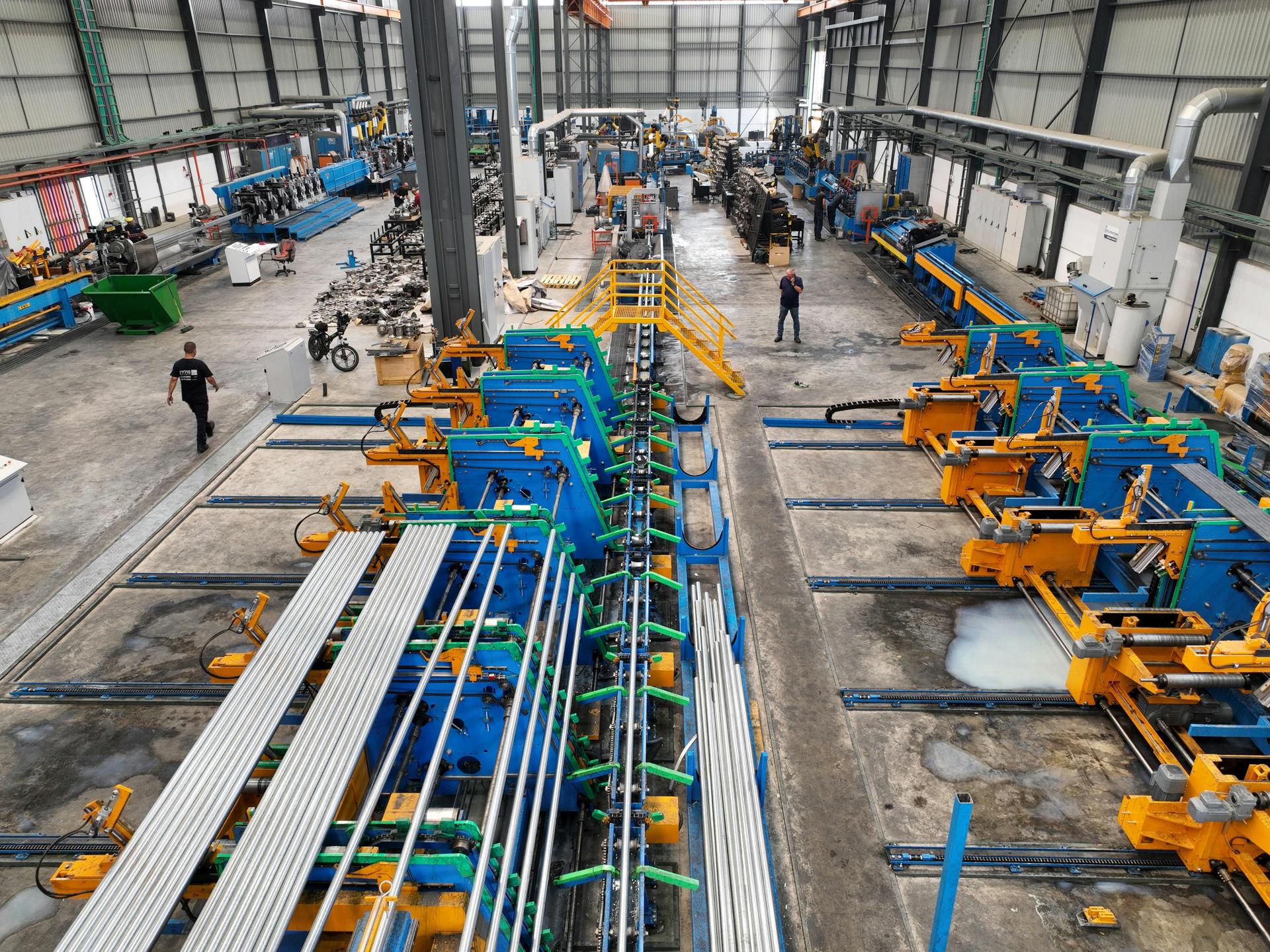
Manufacturing

Manufacturing

Legacy systems are common. Apps integrate without replacing existing infrastructure entirely.

Manufacturing

Legacy systems are common. Apps are designed to integrate without replacing existing infrastructure entirely. Read-only mirrors and scoped writes reduce risk to PLCs and historians. Floor tablets tolerate gloves, dust, and intermittent Wi-Fi. Shift handovers capture notes and counts without duplicate entry. Change windows and staged rollouts avoid surprises during production peaks.

Travel & Hospitality

Travel & Hospitality

Users expect instant results—booking flows and real-time updates without delays or inconsistencies.

Travel & Hospitality

Users expect instant results. Booking flows and real-time updates are handled without delays or inconsistencies. Fare and room rules evaluate quickly before checkout. Itinerary changes propagate to wallets and notifications in one pass. Partner feeds degrade gracefully when an upstream API slows. Currency and locale stay coherent across search, pay, and post-trip support.

Healthcare & Telemedicine

Healthcare & Telemedicine

Applications help manage consultations and patient records. They also handle real-time interactions while keeping things stable for care teams.

Healthcare & Telemedicine

Applications help manage consultations and patient records. They also handle real-time interactions. This is done while keeping things stable and making sure data is handled in a way. This is really important, in places where things have to work all the time. Clear triage and follow-up paths reduce guesswork when schedules are full. Access controls and audit trails support trust without slowing clinicians down.

E-Commerce & Retail

E-Commerce & Retail

Performance directly impacts conversions. Fast browsing, stable checkout, and traffic spikes handled without slowing down.

E-Commerce & Retail

Performance directly impacts conversions. The focus stays on fast product browsing, stable checkout flows, and handling traffic spikes without slowing down during high-demand periods. Catalog slices, image lazy-loading, and predictable pagination keep first paint sharp. Cart and payment steps recover gracefully from brief network blips. Inventory and promos stay in sync so shoppers rarely hit dead ends. Search and filters stay responsive on mid-range devices.

FinTech & Banking

FinTech & Banking

Financial applications require precise execution—secure authentication, real-time transactions, and stable integrations.

FinTech & Banking

Financial applications require precise execution. Secure authentication, real-time transactions, and stable integrations are handled in environments where even small delays create larger risks. Step-up checks feel fast, not blocking. Ledger updates and receipts stay consistent across channels. Monitoring catches anomalies early so teams can intervene before balances drift. Third-party rails fail over cleanly instead of leaving users stuck.

Logistics & Supply Chain

Logistics & Supply Chain

Operations depend on visibility—tracking, route updates, and coordination without interruptions.

Logistics & Supply Chain

Operations depend on visibility. Apps handle tracking, route updates, and backend coordination so businesses can monitor movement without interruptions. Drivers get clear manifests and exception flows when a stop slips. Dispatch dashboards reflect live ETAs without hammering the API. Proof-of-delivery and handoff scans close the loop for finance and support. Offline pockets buffer critical reads until signal returns.

EdTech & E-Learning

EdTech & E-Learning

Users don't always have stable connections. Platforms handle offline access and consistent delivery across devices.

EdTech & E-Learning

Users don't always have stable connections. Platforms are designed to handle offline access and consistent content delivery across devices. Lessons, quizzes, and media resume where learners left off. Progress syncs when connectivity returns without duplicate submissions. Classroom and cohort views stay legible on small screens. Release cadence favors stability so exam week is never a surprise deploy.

Social Networking

Social Networking

Growth can be unpredictable. Applications manage real-time updates and scaling without performance drops.

Social Networking

Growth can be unpredictable. Applications are built to manage real-time updates and scaling challenges without performance drops. Feeds and notifications batch sensibly under load. Moderation queues stay usable when spikes hit. Media and chat avoid blocking the main thread on modest phones. Feature flags and gradual rollout limit blast radius when experiments ship.

On-Demand & Marketplace

On-Demand & Marketplace

Speed and coordination matter—matching, notifications, and transactions designed to work without delays.

On-Demand & Marketplace

Speed and coordination matter. Matching systems, notifications, and transaction handling are designed to work without delays. Supply and demand signals update without thrashing the client. Push and in-app alerts respect quiet hours yet surface time-sensitive offers. Disputes and payouts follow transparent states both sides can track. Maps and ETAs stay honest when traffic or weather shifts mid-trip.

Real Estate

Real Estate

Search experience defines usability—filters, maps, and listing performance reduce friction in discovery.

Real Estate

Search experience defines usability. Filters, maps, and listing performance are structured to reduce friction in property discovery. Saved searches and alerts feel instant without re-querying everything. Tour scheduling respects agent calendars and time zones. Document rooms keep versions tidy for buyers, sellers, and counsel. Performance budgets stop galleries from freezing mid-scroll.

Food & Hospitality

Food & Hospitality

Ordering flows must remain fast and reliable. Every step—from browsing to checkout—is optimized to reduce drop-offs.

Food & Hospitality

Ordering flows must remain fast and reliable. Every step—from browsing to checkout—is optimized to reduce drop-offs. Reservations and kitchen pacing stay aligned when dine-in, pick-up, and delivery peak together. KDS and courier handoffs match promised prep times. Payments, tips, and retries stay calm so one hiccup does not abandon the basket. Loyalty and menu updates stay quick on everyday staff devices.

SaaS & Enterprise Tools

SaaS & Enterprise Tools

Applications support internal operations—multi-user dashboards and integrations built for consistent performance.

SaaS & Enterprise Tools

Applications support internal operations. Multi-user environments, dashboards, and integrations are structured for consistent performance. Role-aware navigation keeps noise low for each persona. Heavy charts stream aggregates instead of shipping giant payloads. Webhooks and imports retry with backoff so nightly jobs finish cleanly. Observability ties UI latency to backend queues for faster triage.

Manufacturing

Manufacturing

Legacy systems are common. Apps integrate without replacing existing infrastructure entirely.

Manufacturing

Legacy systems are common. Apps are designed to integrate without replacing existing infrastructure entirely. Read-only mirrors and scoped writes reduce risk to PLCs and historians. Floor tablets tolerate gloves, dust, and intermittent Wi-Fi. Shift handovers capture notes and counts without duplicate entry. Change windows and staged rollouts avoid surprises during production peaks.

Travel & Hospitality

Travel & Hospitality

Users expect instant results—booking flows and real-time updates without delays or inconsistencies.

Travel & Hospitality

Users expect instant results. Booking flows and real-time updates are handled without delays or inconsistencies. Fare and room rules evaluate quickly before checkout. Itinerary changes propagate to wallets and notifications in one pass. Partner feeds degrade gracefully when an upstream API slows. Currency and locale stay coherent across search, pay, and post-trip support.

Building High-Performance Apps with Flutter Excellence

Our achievements are driven by real results—high-performing apps that support growth and deliver lasting business impact.Discover projects where we created meaningful outcomes.

Max Life Insurance

Transforming Digital Insurance Experience

The Problem

Max Life Insurance aimed to modernize its digital platform to deliver a seamless and user-friendly experience. The existing system lacked intuitive navigation, real-time tracking, and personalized features, making policy management inefficient.

Our Approach

Our team developed a high-performance, user-centric digital platform with intuitive UI/UX, secure and scalable architecture, real-time policy tracking, personalized dashboards, and seamless third-party integrations to enhance overall user experience.


What We Achieved

  • Improved user engagement and retention
  • Faster and seamless policy management
  • Enhanced customer experience with better UX
  • Scalable platform supporting growing users
Max Life Insurance App
Clutch 5.0 rating

Recognized. Trusted. Preferred

Awards & Recognition

We are proud to be recognized by leading platforms and industry experts for our innovation, impact, and excellence

TopDevelopers

TopDevelopers

Top Mobile App Developers

Freelancer

Freelancer

Top Mobile App Developers

AppFutura

AppFutura

Top Mobile App Developers

GoodFirms

GoodFirms

Top Mobile App Development

Clutch

Clutch

Top Mobile App Developers

Excellence isn't claimed.It's recognized

These achievements reflect our commitment to
delivering world-class AI solutions that help
businesses grow and lead

Frequently Asked Questions About Flutter App Development

For the development of cross-platform applications, Flutter, an open-source framework created by Google, is frequently utilised in Flutter app development. It shortens development times while keeping UI and performance consistent across platforms by letting developers use a single codebase to build apps for web, Android, and iOS.
When compared to Western markets, Flutter app development in India is much more affordable. It is perfect for both startups and organisations because it may reduce development expenses by 50-60% without sacrificing solution quality.
A project's complexity determines how long it will take for flutter app development services to complete. It usually takes 6-10 weeks for basic applications and 12-20 weeks for mid-level apps. The features and integrations of an enterprise-level application determine how long it takes to complete.
Dedicated recruiting, team augmentation, and project-based delivery are just a few of the flexible engagement methods that make it easy to hire a flutter application developer.
Businesses can improve their development times, cut expenses, and gain access to talented developers by outsourcing flutter app development services. An effective way to scale without adding operating costs, it is a strategic approach for firms.

Supporting Insights

React Native vs Flutter 2026 comparison cover image
Blogs19/06/2026

React Native vs Flutter in 2026: Which Framework Should Businesses Choose?

Picking the wrong cross-platform framework doesn't just cost you a few weeks of rework it can quietly add 20–30% to your app's lifetime cost through hiring delays, rebuilds, and technical debt. We've watched founders make this call in five minutes based on a Reddit thread, and we've watched CTOs spend three months in analysis paralysis. Neither extreme works. This guide is written for the people who have to live with the decision founders, product managers, and CTOs not for developers comparing syntax. If you've already explored React Native app development services or Flutter app development services , you've probably noticed most comparisons online are written by developers, for developers. This one isn't. React Native vs Flutter: A Quick Answer for Decision-Makers In short: React Native vs Flutter comes down to talent availability versus UI consistency. React Native, built by Meta on JavaScript/TypeScript, gives you access to a much larger developer pool and lower hiring costs. Flutter, built by Google on Dart, gives you near pixel-perfect UI consistency across platforms and stronger web/desktop support out of the box. When React Native is the better business choice: you're working with a JavaScript team already, need to hire fast, want the largest possible developer talent pool, or you're building a consumer app where native look-and-feel matters more than pixel-identical UI. When Flutter is the better business choice: you need the same UI across mobile, web, and desktop from day one, you're building something animation- or graphics-heavy, or your team is comfortable investing extra hiring time for a smaller but fast-growing Dart talent pool. The honest answer depends on five factors: budget, timeline, team composition, long-term scalability needs, and risk tolerance for newer ecosystems. We'll walk through each below. Framework Overview: What Business Leaders Need to Know React Native , maintained by Meta, lets teams build mobile apps using JavaScript and TypeScript the most widely used programming languages in the world. It's been production-tested since 2015 and powers apps at Meta, Microsoft, and Shopify. For a deeper technical walkthrough, see our React Native app development guide . Flutter , built by Google, uses the Dart language and renders every pixel itself via the Skia graphics engine rather than relying on native platform components. This gives Flutter near-identical UI across iOS, Android, web, and desktop at the cost of a steeper learning curve for most existing dev teams. The core difference that affects your business: React Native talks to native UI components through a bridge (now the JSI in its New Architecture), so your app looks and feels native by default. Flutter draws its own UI from scratch, so it looks identical everywhere which is a feature for some brands and an unnecessary constraint for others. Performance: What It Actually Means for User Experience Forget frames-per-second benchmarks what matters to your business is retention, App Store ratings, and conversion. Both frameworks now deliver performance that's indistinguishable to end users for the vast majority of business apps: e-commerce, fintech dashboards, booking apps, internal tools. React Native's New Architecture has closed most of the historical gap with Flutter's compiled approach. Where Flutter still has an edge is animation-heavy or game-like interfaces, thanks to the Skia rendering engine. The practical takeaway: unless you're building something visually intensive, performance shouldn't be your deciding factor. Development Cost Comparison: React Native vs Flutter This is the section most comparison articles skip they mention cost as a factor without quantifying it. Here's actual market-rate data for 2026.  Factor  React Native  Flutter Avg. Developer Rate (US) $45–$150/hr $45–$130/hr Typical MVP Timeline 8–14 weeks 10–16 weeks Code Reuse (iOS + Android) ~70–80% ~85–95% Year 1 MVP Build Cost (est.) $40K–$120K $50K–$130K React Native usually wins on initial MVP cost simply because hiring is faster and cheaper. Flutter's higher code-reuse rate can narrow that gap over a longer product lifecycle, since less platform-specific code needs maintaining. For a granular breakdown across regions and project sizes, we've published a dedicated React Native app development cost guide. Total cost of ownership over three years tends to favor React Native for startups (lower entry cost, faster iteration) and is closer to a toss-up for enterprises, where Flutter's reduced platform-specific maintenance can offset its higher build cost. Hiring and Developer Availability: The Factor Most Articles Ignore Talent availability is often the real deciding factor, and it's rarely discussed with real numbers.  Region  React Native Talent Pool  Flutter Talent Pool Global (approx.) 3M+ JS-background developers 500K–800K Dart/Flutter developers Avg. Time to Hire (Senior) 3–6 weeks 5–10 weeks Freelancer Availability Excellent Good, growing fast Because React Native is built on JavaScript, virtually any experienced JS or front-end developer can ramp up quickly which is why agencies and in-house teams alike find it 4–5x easier to staff. If you're exploring offshore or distributed hiring to stretch your budget further, our breakdown on how to hire developers from India covers regional rate differences and vetting approaches that apply to both frameworks. Scalability: Which Framework Grows With Your Business? Both frameworks scale to enterprise workloads Meta, Microsoft, and Shopify run React Native at massive scale; BMW, eBay, and Alibaba run Flutter. The real scalability question isn't "can it handle growth," it's "can your team keep maintaining it as it grows." React Native's larger ecosystem means more pre-built libraries for payment gateways, analytics, and third-party integrations useful when you're racing to add features post-launch. Flutter's single, self-contained rendering approach means fewer platform-specific bugs creep in as your codebase grows, which can reduce long-term technical debt. Security and Enterprise Readiness For fintech, healthcare, or any regulated industry, security architecture matters more than UI polish. Both frameworks support the encryption, secure storage, and authentication patterns needed for HIPAA, GDPR, and SOC 2 compliant apps — neither has an inherent security advantage. What matters more is whether your development team follows secure coding practices regardless of framework, and whether your vendor has experience navigating compliance audits for the framework you choose. Community, Ecosystem, and Long-Term Risk React Native benefits from Meta's continued open-source investment and an enormous npm ecosystem long-term risk here is low. Flutter's community is large and growing quickly, backed by Google, though Google does have a documented history of sunsetting developer products over the years. That's a genuine, if modest, long-term risk worth factoring into a multi-year roadmap, even as Flutter's current momentum remains strong. React Native vs Flutter for Startups If you're a founder with a tight runway, the calculus is simple: faster hiring and lower upfront cost usually outweigh marginal UI differences. Most early-stage teams choose React Native because it shortens time-to-market and keeps burn rate predictable. We go deeper into MVP-specific decision-making, including investor perception of tech stack choices, in our dedicated guide on React Native for startups . React Native vs Flutter for Enterprise Applications For enterprise buyers, the decision shifts toward integration with existing systems, compliance requirements, and team scaling. Both frameworks are proven at scale — the better question is which one your existing engineering org can support. A team with strong JavaScript expertise will move faster on React Native; a team building a true multi-platform product (mobile + web + desktop) from one codebase may find Flutter's unified rendering model worth the Dart ramp-up. The Business Decision Framework: How to Choose in 2026 Run your project through these seven factors and weigh which matter most to you: Budget — React Native generally costs less to build and staff initially. Timeline — React Native MVPs typically ship 2–4 weeks faster. Team background — JavaScript teams favor React Native; teams open to learning Dart can consider Flutter. UI requirements — Need pixel-identical UI across platforms, including web/desktop? Lean Flutter. Hiring runway — Need to scale a team fast? React Native's talent pool is deeper. Long-term risk tolerance — React Native carries marginally lower platform-risk; Flutter carries marginally higher Google-dependency risk. Animation/graphics intensity — Heavy on custom animation or game-like UI? Flutter's Skia engine has an edge. For startups under roughly $100K budget: React Native is usually the pragmatic default. For scale-ups in the $100K–$1M range: the decision depends more on existing team skills than framework capability. For enterprise budgets above $1M: both are viable; the deciding factor is usually integration complexity and compliance needs rather than cost. Our Recommendation After building cross-platform apps across both frameworks for startups, scale-ups, and enterprise clients, our default recommendation is React Native for most business use cases it gets teams to market faster and keeps hiring costs manageable. We recommend Flutter specifically when a client needs identical UI across mobile, web, and desktop from a single codebase, or when the product is animation-heavy. If you're weighing this decision for your own project, our team can walk through your specific budget, timeline, and team setup explore our React Native app development services or get in touch through SpaceToTech for a framework consultation tailored to your business.

React Native startup development guide showing faster mobile app launches, lower costs, and cross-platform development benefits in 2026
Blogs16/06/2026

Why Is React Native for Startups a Great Choice in 2026?

Every startup faces the same early mobile decision: build native apps for iOS and Android separately, or find a smarter path. React Native is that smarter path for the majority of startup use cases but only if you understand what you're actually signing up for. This guide is written for founders, CTOs, and product leaders making a real technology decision not for developers looking for a tutorial. By the end, you'll know whether React Native fits your product, your team, and your funding stage, along with a concrete framework to make the call. What Is React Native? React Native is an open-source mobile app framework created by Meta (Facebook) that lets developers build applications for both iOS and Android using a single JavaScript codebase. Instead of maintaining separate codebases in Swift (iOS) and Kotlin (Android), your team writes once and deploys to both platforms. For non-technical founders, the business analogy is straightforward: imagine writing one user manual that works for two different products simultaneously. You update the manual once, and both products reflect the change.  Quick Facts  React Native Created by Meta (Facebook) Initial Release 2015 Language JavaScript / TypeScript Platforms iOS + Android (+ Web via React Native Web) Notable Production Users Meta, Shopify, Discord, Tesla, Coinbase, Bloomberg Architecture (2026) New Architecture — Fabric renderer, JSI bridge For a deeper technical overview of how the framework operates, see SpaceToTech's React Native App Development Services page. Why Startups Choose React Native in 2026 Startup decisions are constrained decisions. You are working with limited runway, a small team, and a product that may need to pivot. React Native was built for exactly this environment not because Meta designed it with startups in mind, but because its architecture naturally aligns with startup constraints. Three specific advantages make React Native the default choice for most early-stage mobile products: Cost Efficiency That Extends Runway A single codebase means one development team instead of two. That difference compounds: one QA process, one deployment pipeline, one set of UI components to maintain. For a pre-seed startup spending $50,000 on an MVP, the difference between React Native and dual native development can be $20,000–$40,000 — that's additional months of runway, not just a line-item savings. Faster Hiring and Smaller Engineering Teams React Native draws from the JavaScript talent pool the largest developer community in the world. When you're hiring a first mobile developer or evaluating an offshore development partner, the available talent is significantly broader than the Kotlin or Swift-specific pools. This matters practically: shorter hiring timelines, more competitive rates, and better selection at any given budget. Community, Ecosystem, and Long-Term Viability React Native's GitHub repository consistently ranks among the most-starred open-source mobile frameworks. The 2023–2024 New Architecture release (Fabric renderer + JSI bridge) addressed the most common performance criticisms that had followed the framework since 2017. In 2026, the objection that React Native is 'not production-ready' no longer holds. The companies shipping on it Discord, Shopify, Coinbase have production standards that most startups won't approach for years. How React Native Helps Startups Launch Faster Single Codebase, Two Platforms, Half the Timeline The most direct time-to-market benefit is simple arithmetic. A native iOS app and a native Android app built by separate teams takes 6–10 months for a full MVP. A React Native team building both simultaneously takes 3–5 months. That timeline difference is the difference between launching before a competitor and launching after one. React Native's hot reloading capability compounds this advantage during iteration. When your PM identifies a UX problem during testing, the fix ships to both platforms simultaneously. There is no 'iOS version of that bug fix ships next week' situation a reality that anyone who has shipped native apps knows is frustratingly common. Iterating Toward Product-Market Fit Faster Lean startup methodology is built on the cycle: build, measure, learn. React Native shortens the build phase, which means more cycles in the same timeframe. If your product is pre-PMF — which is true of almost every startup at the MVP stage the ability to run two additional iterations in the time your competitor runs one is a genuine competitive advantage, not just a development efficiency. How React Native Reduces MVP Development Costs Cost transparency is something most React Native articles avoid. Here are concrete ranges by funding stage, based on typical project scopes:  MVP Stage  Native iOS + Android  React Native  Estimated Saving Pre-Seed MVP $60,000 – $120,000 $35,000 – $70,000 ~40–45% Seed-Stage MVP $100,000 – $200,000 $60,000 – $120,000 ~35–40% Series A Rebuild $200,000 – $400,000+ $120,000 – $220,000 ~35–45% Note: Ranges depend on features, team location, and complexity. For a detailed breakdown, see SpaceToTech's React Native App Development Cost guide. The savings come from three compounding factors: shared UI components (built once, used on both platforms), a single QA team running one test suite, and shared backend integration work. Add working with an experienced offshore React Native development partner, and those cost ranges compress further Indian-based agencies typically charge $25–$50/hr versus $100–$250/hr for US firms, for comparable technical output. SpaceToTech's React Native App Development Services are built around this model transparent pricing, dedicated teams, and a track record of delivering for global clients across the US, UK, UAE, and Australia. React Native vs Native Development for Startups This is a business decision, not a technical one. The question is not 'which framework is more powerful' it's 'which approach fits our constraints.'  Factor  React Native  Native (iOS + Android) Team Size 1–2 developers 2–4 developers (separate teams) Time to MVP 3–5 months 6–10 months Cost (MVP) $35K – $120K $60K – $200K+ Codebase Single shared codebase Two separate codebases Performance Near-native (New Architecture) Fully native Best For Startups, MVPs, SaaS apps Games, AR/VR, hardware-intensive apps Where native development genuinely wins: apps that require deep hardware integration (custom Bluetooth controllers, specialized camera sensors), high-frame-rate graphics engines, or AR/VR experiences. For the vast majority of startup use cases consumer apps, SaaS mobile products, marketplace apps, fintech products React Native is the more rational choice. React Native vs Flutter for Startups Flutter is a serious competitor and deserves an honest comparison. The decision comes down to your team's existing skills and your hiring market.  Factor  React Native  Flutter Language JavaScript / TypeScript Dart Developer Pool Very large (JS ecosystem) Growing, but smaller Backed By Meta (Facebook Google UI Customization Good Excellent (Skia renderer) Web Support Partial (RN Web) Strong Best For JS-fluent teams, startup MVPs UI-priority apps, Dart-fluent teams The practical recommendation: if your existing team or your planned hires know JavaScript or React, React Native is the clear choice. The talent pool advantage is real there are dramatically more React Native developers available for hire globally than Dart/Flutter specialists, which translates to faster hiring and lower rates. If UI consistency across platforms is your primary product differentiator, and you're willing to invest in Dart training or find Flutter-specific talent, Flutter is worth evaluating. For a deeper technical comparison, see our React Native vs Flutter breakdown. Startup Success Stories Built with React Native Social proof matters but context matters more. These companies did not choose React Native because it was trendy. They chose it because it solved a real business problem. Meta (Facebook): Built the original React Native framework to solve their own cross-platform problem. The fact that Meta continues to invest in and maintain the framework is the strongest possible signal of long-term viability. Shopify: Migrated their mobile commerce products to React Native and has publicly praised the developer experience and performance outcomes. For a company processing billions in GMV, this is not a casual decision. Discord: Built their mobile apps on React Native and has maintained them through significant scale, with documented engineering blog posts on performance optimisation at volume. Coinbase: Chose React Native for their crypto wallet and exchange apps, where security and reliability are non-negotiable product requirements. Bloomberg: Rebuilt their market data terminal mobile app on React Native, prioritising development speed and team consolidation over native performance margins. The pattern across these companies: React Native was chosen for speed, team efficiency, and cost not as a compromise. That's the same reason it makes sense for startups today. Can React Native Scale as Your Startup Grows? This is the most common objection from CTOs and technical investors, and it deserves a direct answer: yes, React Native scales with one important clarification. Most startup scaling problems are backend and infrastructure challenges, not frontend framework challenges. Your database, API layer, caching strategy, and CDN architecture will determine whether your product survives rapid user growth not whether you built your mobile frontend in React Native or Swift.  Startup Stage  React Native Suitability  Notes Pre-Seed / MVP Excellent Ideal speed and cost matter most Seed (0–10K users) Excellent No performance issues at this scale Series A (10K–100K users) Very Good May need native modules for specific features Series B+ (100K+ users) Good Architecture review recommended Enterprise / IPO Scale Case-by-case Evaluate based on app complexity React Native's New Architecture (released 2023–2024) addressed the primary technical objection that had followed the framework for years the JavaScript bridge bottleneck. The Fabric renderer and JSI (JavaScript Interface) bring React Native meaningfully closer to native performance. For any startup planning to raise a Series A or beyond, this is an important update that changes the calculus compared to evaluations made pre-2023. For architecture-specific guidance relevant to your startup stage, see our React Native Architecture resource. When React Native Is NOT the Right Choice Any advisor who tells you React Native is always the right answer is selling you something. Here is when to reconsider: Graphics-intensive games or AR/VR apps: Frame-rate-critical rendering still performs better in native code. If your product's core experience is a 3D environment or augmented reality, go native or use a dedicated game engine. Deep device hardware integration: If your app needs to communicate with proprietary Bluetooth hardware, custom sensors, or specialized device APIs, the additional native module work can erode the cost advantage. Swift/Kotlin-only teams with no JavaScript experience: Retraining cost is real. If your engineering team is native-only and you are mid-project, switching frameworks creates risk rather than efficiency. Single-platform products: If you only need an iOS app — for an enterprise internal tool, for example — the cross-platform advantage disappears. Native iOS development makes more sense. Frame-rate-critical animations as a core product feature: High-frequency animations that define the product experience (think Lottie-heavy onboarding, physics simulations) can strain React Native's runtime even with the New Architecture. Being transparent about these limitations is more valuable to a founder than a blanket endorsement. If your use case falls in this list, the right answer is to say so early rather than rebuild later. Is React Native Worth It for Startups in 2026? Yes for the majority of startup mobile products, React Native is the pragmatic, cost-effective, and founder-rational choice in 2026. The three strongest reasons come down to economics: it cuts development costs by 35–45%, reduces time to MVP by 30–40%, and gives you access to the widest developer talent pool available for mobile development. The New Architecture updates have removed the most credible technical objections, and the production track record of companies like Shopify and Discord has validated it at significant scale. The question is not whether React Native is worth it as a framework it is whether it fits your specific product, team, and stage. The decision framework below helps you answer that. Decision Framework for Startup Founders Run through this before briefing your first developer or development agency. It takes five minutes and will prevent months of the wrong technical direction.  Choose React Native If  Reconsider If You need iOS + Android from day one Your app requires AR/VR or 3D graphics as a core feature You want to extend runway and reduce dev costs Your team is native-only (Swift/Kotlin) with no JS experience You're validating an MVP before raising a seed round Your product requires deep device hardware integration Your team knows JavaScript or React Your core feature depends on frame-rate-critical animations You need to scale post-funding but move fast now You're building for a single platform only You want access to a large global developer pool Your investors have explicitly required a native-only stack Final Recommendations React Native is the right starting point for most startup mobile products in 2026. The architecture is mature, the ecosystem is large, the talent pool is deep, and the cost and speed advantages over native development are consistent and meaningful. The most common mistake founders make is not choosing the wrong framework it's choosing the right framework and implementing it poorly. React Native's architecture patterns, performance optimisation techniques, and security practices require experience to get right. A first-time React Native project built by developers learning the framework on your budget will not deliver the advantages described in this guide. If you want to build your startup's mobile product on React Native and want experienced development partners  not generalists SpaceToTech React Native App Development Services is the right place to start the conversation. We work with founders at pre-seed through Series B stages, across the US, UK, UAE, and Australia. Already have a rough product brief? Contact SpaceToTech for a no-obligation project estimate.

React Native app development cost guide 2026
Blogs15/06/2026

React Native App Development Cost in 2026: Complete Pricing Guide

You have a great app idea. Before anything else, one question always pops up how much is this going to cost? If you are exploring React Native app development , you are already making a smart choice. React Native lets you build one app that runs on both iOS and Android, which saves money right from day one. But here is the honest truth react native app development cost in 2026 is not a single number. It depends on what you are building, who builds it, and where in the world your team is based. A simple MVP built by an Indian agency might cost $8,000. The same app built by a US agency could run $40,000 or more. This guide breaks it all down clearly pricing by app type, region-wise cost comparison covering India vs USA vs UK, developer hiring costs, hidden expenses, and real-world examples. Whether you are a startup founder, a CTO, or someone exploring options for the first time, this is the only React Native cost guide you will need in 2026. You can also explore all our mobile and software development services to understand how we work. React Native App Development Cost Overview In 2026, building a React Native app typically costs anywhere between $5,000 and $200,000+. The range is wide because every app is different. A basic MVP with five screens is very different from a fintech platform with real-time transactions and KYC verification. Here is a quick snapshot before we go deeper:  App Type  Estimated Cost (India)  Estimated Cost (USA/UK)  Timeline  MVP / Prototype  $5,000 – $13,000  $20,000 – $50,000  4–8 weeks  Startup App  $12,000 – $30,000  $40,000 – $80,000  2–4 months  Mid-Complexity App  $25,000 – $60,000  $70,000 – $120,000  4–7 months  Enterprise App  $60,000 – $150,000  $120,000 – $250,000+  7–12 months 💡 The biggest cost lever is not your app's features it is where your development team is based. India-based agencies deliver the same quality at 60–70% lower cost than US or UK firms. Why Businesses Choose React Native Despite Development Costs React Native is not the cheapest option because it is average. It is cost-effective because it is genuinely efficient. Here is why thousands of businesses — including Microsoft, Shopify, and Facebook use it. If you want to explore what React Native can do for your specific project. Shared Codebase One Team, Two Platforms React Native uses a single JavaScript codebase for both iOS and Android. You do not need two separate dev teams. This alone cuts your staffing costs by 30–40% compared to building two native apps in parallel. Faster Time to Market With features like hot reloading and a rich library of pre-built components, React Native teams ship faster. A feature that takes two weeks natively can often take one week in React Native. Lower Long-Term Maintenance Cost Maintaining one codebase is significantly cheaper than maintaining separate iOS and Android codebases. Annual maintenance for a React Native app typically runs 15–20% of the original build cost often half what native maintenance costs. Smaller, Leaner Team A React Native project can be handled by JavaScript developers who manage both platforms. This reduces your monthly burn rate and keeps coordination simple. Key Factors That Affect React Native App Development Cost This is the section most people skip and then wonder why their budget ran over. These are the 12 real drivers of React Native development cost in 2026: 1. App Complexity and Business Logic A simple informational app with five screens is very different from one with conditional workflows, multi-step forms, and complex business rules. Complexity is the biggest single driver of cost. 2. Number of Screens Every screen requires design, development, and testing effort. A 6-screen app and a 25-screen app do not cost the same. Always define your screen count before getting quotes. 3. UI/UX Design Requirements Custom animations, branded design systems, and polished micro-interactions cost more than standard template designs. Good design prevents expensive rework later. Our UI/UX design team works alongside every React Native project to deliver interfaces users actually love. 4. Third-Party Integrations Connecting to Google Maps, Stripe, Twilio, Firebase, or social login providers adds development time. Each integration can add $500–$3,000 to your budget depending on complexity. 5. Backend Development Most apps need a server, a database, and a set of APIs. Backend work often accounts for 30–40% of total project cost. Do not underestimate this. 6. Security and Compliance Apps handling payments or healthcare data need encryption, secure API design, and compliance work (GDPR, HIPAA). Security-focused development adds 15–25% to cost but is non-negotiable. 7. Real-Time Features Chat, live GPS tracking, or real-time dashboards require WebSockets or push services like Firebase. These add technical complexity and testing effort. 8. AI Features In 2026, AI features chatbots, recommendation engines, image recognition — are increasingly standard. Expect to budget $5,000–$25,000+ extra for AI integrations, depending on depth. 9. Payment Integrations Stripe, Razorpay, PayPal, or in-app purchases each require careful implementation, edge-case testing, and compliance checks. Payment flows alone can add 2–3 weeks to your timeline. 10. Offline Functionality Apps that work without internet need local data syncing and conflict resolution logic. This is technically demanding and typically adds $3,000–$8,000 to project cost. 11. Scalability Architecture If you plan to serve hundreds of thousands of users, your infrastructure needs to be designed for scale from day one — adding cloud setup, load balancing, and caching costs. 12. Admin Panel and CMS Many businesses need a web-based admin panel to manage content, users, and orders. A basic admin panel adds $3,000–$10,000. A feature-rich one can add $15,000–$25,000. React Native Cost by App Type Different industries have very different feature requirements. Here is what you can realistically expect to spend in 2026, broken down by app category:  App Type  Core Features  India Cost  USA/UK Cost  Ecommerce Cart, payments, product listings, tracking  $15,000–$40,000  $50,000–$100,000  Healthcare HIPAA compliance, telemedicine, EHR  $25,000–$80,000  $80,000–$200,000  Fintech KYC, fraud detection, bank APIs, encryption  $30,000–$100,000  $100,000–$250,000  Logistics GPS tracking, route optimization, dispatch  $20,000–$60,000  $60,000–$150,000  Food Delivery Multi-vendor, real-time tracking, reviews  $18,000–$45,000  $55,000–$110,000  Social Media Feeds, chat, media upload, notifications  $18,000–$50,000  $55,000–$130,000  SaaS App Subscriptions, dashboards, multi-tenant  $25,000–$75,000  $70,000–$200,000  Marketplace  Buyer/seller flows, escrow, admin  $22,000–$60,000  $65,000–$160,000 React Native MVP Development Cost An MVP (Minimum Viable Product) is where most smart startups begin. The goal is simple build the core of your product, get it in front of real users, and validate before spending big. What Features Should a React Native MVP Have? Focus on user authentication (email/social login), 5–8 core screens, basic push notifications, and one payment method. Skip the admin panel, AI features, and analytics for now. Add those in version 2, once you have real user feedback. MVP Cost Breakdown  Development Phase  India Cost  USA/UK Cost  UI/UX Design  $800–$2,500  $3,000–$8,000  Frontend (React Native)  $2,000–$5,000  $8,000–$20,000  Backend & API  $1,500–$4,000  $6,000–$15,000  QA & Testing  $500–$1,500  $2,000–$6,000  App Store Deployment  $200–$500  $500–$1,500  Total MVP Cost  $5,000–$13,500  $19,500–$50,500 MVP Timeline and Team A well-scoped React Native MVP takes 6–10 weeks to complete. Your minimum team: one React Native developer, one UI/UX designer, one backend developer, one QA tester, and a project manager. Rushing this phase creates technical debt that costs far more to fix later. 💡 Start with an MVP. Get user feedback. Then invest in advanced features. This approach saves 40–60% of your initial budget and dramatically reduces risk. React Native Development Cost by Region — India vs USA vs UK Where your development team is based is the single biggest cost lever in the entire project. Here is a clear, data-backed comparison for 2026:  Region  Junior Dev ($/hr)  Mid Dev ($/hr)  Senior Dev ($/hr)  Full App Cost Range India  $15–$25  $25–$45  $40–$70  $8,000–$60,000 UK  $50–$80  $80–$120  $100–$150  $50,000–$180,000 USA  $60–$90  $90–$130  $120–$160  $60,000–$200,000 Canada  $55–$85  $80–$120  $100–$150  $55,000–$180,000 Eastern Europe  $25–$45  $40–$70  $60–$90  $20,000–$80,000 Australia  $60–$90  $85–$130  $110–$160  $60,000–$200,000 India consistently offers the best cost-to-quality ratio for React Native development. Businesses working with experienced Indian agencies typically reduce development spend by 60–70% compared to US or UK firms without sacrificing quality. SpaceToTech, based in Noida, India, has delivered React Native projects for global clients across the USA, UK, and Australia with transparent pricing and no hidden costs. React Native vs Native App Development Cost Many founders ask whether React Native is truly cheaper than building native apps for iOS and Android separately. The answer is yes consistently. Here is why:  Platform  Cost Range  Team Size Needed  Time to Market  iOS Native Only (Swift)  $30,000–$120,000  3–5 iOS devs  4–10 months  Android Native Only (Kotlin)  $30,000–$120,000  3–5 Android devs  4–10 months  Both Natively  $60,000–$240,000  6–10 devs  6–14 months  React Native (Both Platforms)  $20,000–$100,000  2–4 devs  3–9 months A property management app that received quotes of $115,000 for native development was built with React Native for $68,000 a savings of $47,000, or 41%. React Native delivers near-native performance for the vast majority of apps. If you are weighing your technology options, also consider reading about our Flutter development services — another excellent cross-platform alternative to make the right choice for your project. Hidden Costs of React Native App Development Most cost guides stop at development. But there are recurring expenses that catch founders off-guard after launch. Here is what you need to budget for: App Store Registration Fees Google Play Store charges a one-time fee of $25. Apple App Store charges $99 per year. Small numbers, but easy to forget in the budget. Cloud Hosting AWS, Google Cloud, or Azure will run $50–$500+ per month depending on your user base. Budget $50–$150/month for a new app at launch and expect this to grow with your user count. Third-Party Service Subscriptions Services like Twilio for SMS, SendGrid for email, Stripe for payments, and Firebase for push notifications all have monthly costs. Budget $100–$500/month for a typical mid-size app. Security Audits Any app handling payments or user data needs a professional security audit. Cost: $2,000–$15,000. This is not optional it is essential. Analytics Tools Understanding user behavior requires tools like Mixpanel, Amplitude, or Firebase Analytics. Free tiers exist but paid plans run $50–$300/month for growing apps. Push Notification Services Firebase Cloud Messaging handles basic notifications for free. Advanced targeting through OneSignal or Braze costs $9–$499/month depending on your user base. 💡 Rule of thumb: Budget an additional 20–30% on top of your development cost to cover first-year hidden costs. Most founders who ignore this get a nasty surprise within six months of launch. React Native App Maintenance Cost Your app does not stop costing money after launch. Maintenance is an ongoing investment that keeps your product stable, secure, and growing. Monthly Maintenance Cost For a medium-complexity React Native app, expect $500–$3,000 per month. This covers bug fixes, minor feature updates, server monitoring, and dependency updates. Annual Maintenance Budget The industry standard is 15–20% of your initial build cost per year. If your app cost $50,000 to build, budget $7,500–$10,000 per year in maintenance. Treat this as a line item in your annual budget, not a surprise expense. OS Compatibility Updates Apple and Google release major OS updates every year. Each update requires compatibility testing and often code changes. Budget $500–$2,000 per major OS release. Feature Enhancements Adding new features after launch typically costs $3,000–$20,000 per major feature. Planning a feature roadmap in advance helps you budget and prioritize effectively. How to Reduce React Native App Development Costs You do not have to choose between quality and budget. Here are five proven ways to reduce your React Native app development cost without cutting corners: 1. Start With an MVP Launch with the 20% of features that deliver 80% of value. Validate your product with real users before spending on advanced features. This approach can cut initial spend by 40–60%. 2. Prioritize Features Ruthlessly Create a must-have list and a nice-to-have list. Push everything from the second list to version 2. Every extra feature in version 1 adds cost and delays your launch. 3. Use Open-Source Libraries React Native has a rich ecosystem React Navigation, Redux, Axios, React Hook Form — all free and production-tested. Using these instead of building from scratch saves 20–30% in development time. 4. Choose the Right Development Partner An experienced India-based agency delivers the same quality as a US firm at 50–70% lower cost. Check portfolios, Clutch reviews, and ask for a detailed project breakdown before committing. You can explore SpaceToTech's portfolio and contact us for a free project consultation and transparent cost estimate. 5. Avoid Overengineering Early Do not build infrastructure for 10 million users when you are starting with 1,000. Keep the architecture simple and scalable on demand. Premature optimization wastes budget that could go toward features your users actually want. Real Cost Examples Numbers mean more when they are grounded in reality. Here are four real-world examples to give you a concrete sense of what React Native projects cost in 2026: Ecommerce App A mid-size fashion ecommerce app product catalog, cart, Stripe payments, order tracking was built by an Indian agency in 14 weeks for $22,000. An equivalent US agency quote came in at $75,000+. Food Delivery App A multi-restaurant food delivery platform with real-time GPS, separate customer and driver apps, and a restaurant dashboard took 20 weeks. India cost: $38,000. US estimate from the same brief: $115,000. Healthcare Telemedicine App A HIPAA-compliant telemedicine app with video consultations, patient records, and appointment scheduling took 6 months. Cost in India: $58,000. Equivalent US development: $180,000+. B2B SaaS App A B2B SaaS mobile app with multi-tenant architecture, role-based access control, and analytics dashboards — 7 months, India cost: $65,000. US equivalent: $200,000+. Is React Native Worth the Investment in 2026? Short answer: yes for most businesses. Here is the longer version: For Startups React Native is almost always the right call. You get both iOS and Android from a single team and a single budget. Build your MVP, validate it with real users, and scale. The cost savings vs native development give you more runway to grow. For Enterprises Large organizations increasingly use React Native for internal tools, customer apps, and product MVPs. Companies like Microsoft and Shopify have validated it at scale. It also integrates well with AI and chatbot layers something we specialize in through our AI chatbot development services . ROI Over Three to Five Years Over a 3–5 year horizon, a React Native app can save $50,000–$200,000 compared to maintaining two separate native codebases. That is money better invested in product features, marketing, and growth. Why Choose SpaceToTech for React Native Development? SpaceToTech is a software and mobile app development company based in Noida, India, delivering React Native solutions for startups and enterprises across the USA, UK, Canada, and Australia. Transparent pricing — detailed project quotes with no hidden fees, before work begins. Dedicated teams — your project gets developers who focus entirely on your product. Agile delivery — sprint-based development with weekly demos and clear milestones. Full-stack capability — React Native frontend, backend APIs, UI/UX design, and QA under one roof. Post-launch support — flexible maintenance plans so your app keeps performing after go-live. Ready to get a cost estimate for your app? Talk to our team today — we offer a free consultation and project scoping call with no obligations. Get a Free Cost Estimate for Your React Native App SpaceToTech delivers transparent, high-quality React Native development from India for global businesses. Whether you need a quick MVP or a full enterprise product, we will scope your project, give you a detailed breakdown, and build it right. Contact us today to start a free consultation. Explore our React Native services, Flutter development, and UI/UX design to see the full range of what we offer.

Businesses using Flutter app development services often achieve faster launches, lower development costs, and higher ROI with a single cross-platform solution.

We’ve been helping Customer globally

So how does it work? Check for yourself by their feedback.
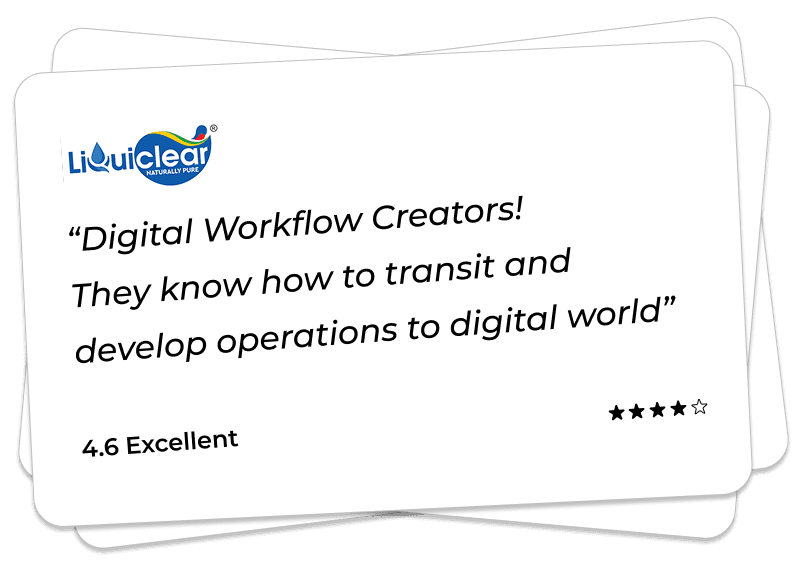
Client Feedback

SignUp for a Call: to transform your Ideas into Reality.

Let’s Book a free consultation call for you
Your’s first and The right Step!

UAE

INDIA

USA
Giphy Coming Soon

Coming Soon

You agree to our Privacy Policy

Get a Callback