Top Custom Software Development Services


Top Custom SoftwareDevelopment Services USASpaceToTech

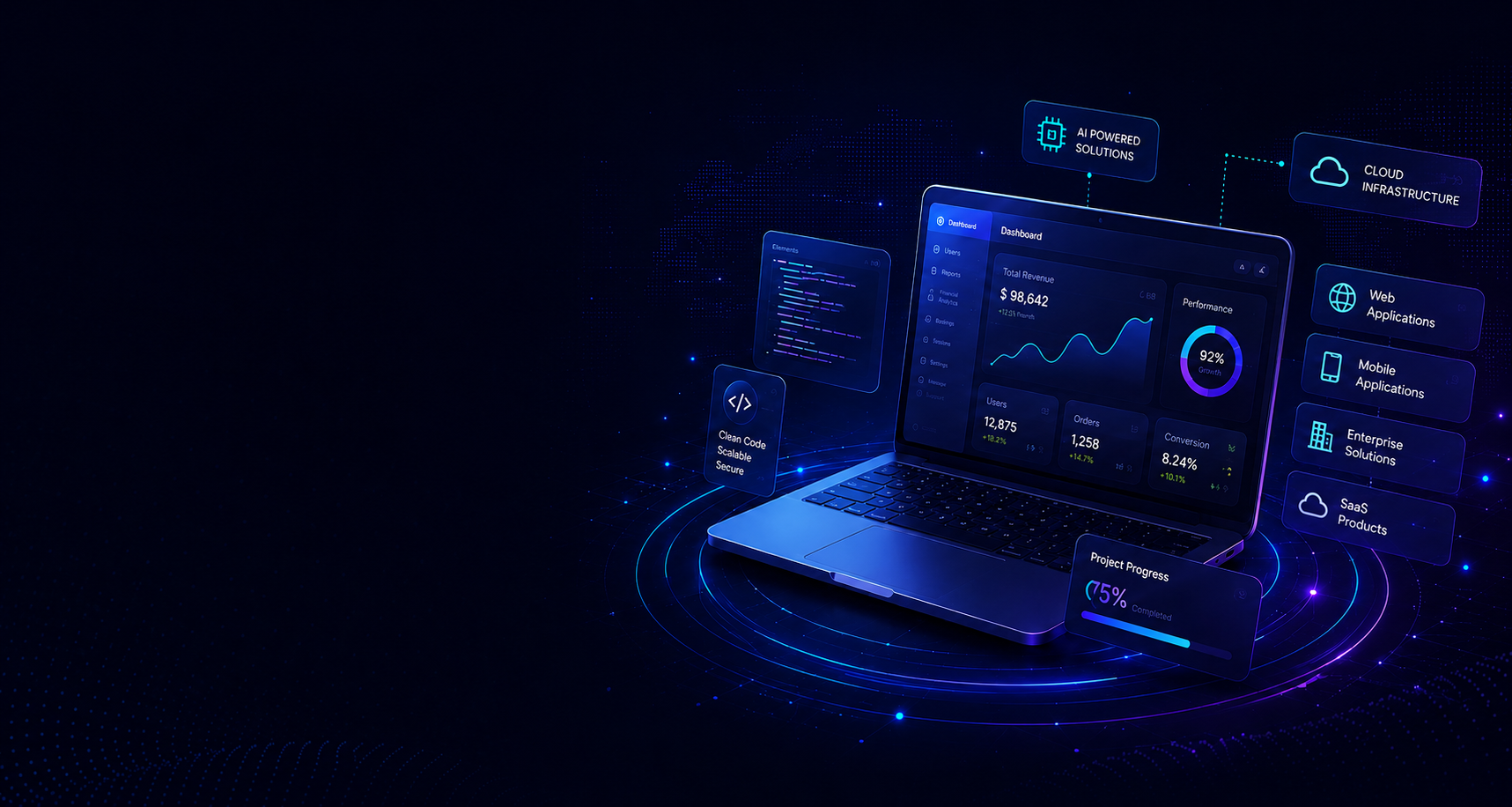
Businesses often outgrow rigid software platforms as workflows become more complex and operational demands increase. SpaceToTech builds custom software solutions around your business processes instead of forcing teams into inflexible systems.

View Portfolio

0+

Projects Delivered

0+

Global Clients

Agile

Development

AI & Cloud

Experts

24/7

Support system

Trusted by global brands

What Custom Software Development Actually Means

(And What It Doesn't)

Worth clearing this up because the term gets stretched in a lot of directions.

Custom software development is the process of building software specifically for one business — yours rather than buying something pre-built and trying to make it fit.

The distinction sounds obvious but the implications run deep. When software is built for you, the logic inside it reflects how your team actually works. The data structures match your data. The workflows match your process. You're not bending your operations around someone else's product roadmap.

Off-the-shelf software — your Salesforces, your SAPs, your Shopifys exists because it makes economic sense for the vendor. Build once, sell many times.

For a lot of use cases, that's totally fine. But at some point, as businesses get more specific in what they do and how they do it, generic tools start creating friction instead of removing it.

The agile approach matters more than most people realize going in.

  • It means the scope can evolve as you learn things.
  • It means if something needs to change — and something always needs to change — you're not locked into a specification document written four months ago.

What We Build

The Full Range of Custom Software Development Services

These aren't aspirational categories. These are things our teams have actually shipped.

Scalable Web Application Development

Support teams often handle the same queries orders, refunds, and basic issues. Chatbots automate these, provide instant answers, and connect with tools like Zendesk or Freshdesk, involving humans only when needed.

Mobile App Development for iOS, Android, and Both

Support teams often handle the same queries orders, refunds, and basic issues. Chatbots automate these, provide instant answers, and connect with tools like Zendesk or Freshdesk, involving humans only when needed.

API Development and Real System Integration

Support teams often handle the same queries orders, refunds, and basic issues. Chatbots automate these, provide instant answers, and connect with tools like Zendesk or Freshdesk, involving humans only when needed.

AI Development and Intelligent Business

Support teams often handle the same queries orders, refunds, and basic issues. Chatbots automate these, provide instant answers, and connect with tools like Zendesk or Freshdesk, involving humans only when needed.

Legacy System Modernization

Support teams often handle the same queries orders, refunds, and basic issues. Chatbots automate these, provide instant answers, and connect with tools like Zendesk or Freshdesk, involving humans only when needed.

Cloud-Native Application Development

Support teams often handle the same queries orders, refunds, and basic issues. Chatbots automate these, provide instant answers, and connect with tools like Zendesk or Freshdesk, involving humans only when needed.

Custom Enterprise ERP Systems

Support teams often handle the same queries orders, refunds, and basic issues. Chatbots automate these, provide instant answers, and connect with tools like Zendesk or Freshdesk, involving humans only when needed.

HIPAA-Compliant Healthcare Application Development

Support teams often handle the same queries orders, refunds, and basic issues. Chatbots automate these, provide instant answers, and connect with tools like Zendesk or Freshdesk, involving humans only when needed.

Security-First Software Development

Support teams often handle the same queries orders, refunds, and basic issues. Chatbots automate these, provide instant answers, and connect with tools like Zendesk or Freshdesk, involving humans only when needed.

USA-Focused Custom Software
Development Services

Build reliable, scalable, and user-centric software with the expert
team at SpaceToTech.

The Industries We Know Well

Healthcare & Telemedicine

Healthcare & Telemedicine

Applications help manage consultations and patient records. They also handle real-time interactions while keeping things stable for care teams.

Healthcare & Telemedicine

Applications help manage consultations and patient records. They also handle real-time interactions. This is done while keeping things stable and making sure data is handled in a way. This is really important, in places where things have to work all the time. Clear triage and follow-up paths reduce guesswork when schedules are full. Access controls and audit trails support trust without slowing clinicians down.

E-Commerce & Retail

E-Commerce & Retail

Performance directly impacts conversions. Fast browsing, stable checkout, and traffic spikes handled without slowing down.

E-Commerce & Retail

Performance directly impacts conversions. The focus stays on fast product browsing, stable checkout flows, and handling traffic spikes without slowing down during high-demand periods. Catalog slices, image lazy-loading, and predictable pagination keep first paint sharp. Cart and payment steps recover gracefully from brief network blips. Inventory and promos stay in sync so shoppers rarely hit dead ends. Search and filters stay responsive on mid-range devices.

FinTech & Banking

FinTech & Banking

Financial applications require precise execution—secure authentication, real-time transactions, and stable integrations.

FinTech & Banking

Financial applications require precise execution. Secure authentication, real-time transactions, and stable integrations are handled in environments where even small delays create larger risks. Step-up checks feel fast, not blocking. Ledger updates and receipts stay consistent across channels. Monitoring catches anomalies early so teams can intervene before balances drift. Third-party rails fail over cleanly instead of leaving users stuck.

Logistics & Supply Chain

Logistics & Supply Chain

Operations depend on visibility—tracking, route updates, and coordination without interruptions.

Logistics & Supply Chain

Operations depend on visibility. Apps handle tracking, route updates, and backend coordination so businesses can monitor movement without interruptions. Drivers get clear manifests and exception flows when a stop slips. Dispatch dashboards reflect live ETAs without hammering the API. Proof-of-delivery and handoff scans close the loop for finance and support. Offline pockets buffer critical reads until signal returns.

EdTech & E-Learning

EdTech & E-Learning

Users don't always have stable connections. Platforms handle offline access and consistent delivery across devices.

EdTech & E-Learning

Users don't always have stable connections. Platforms are designed to handle offline access and consistent content delivery across devices. Lessons, quizzes, and media resume where learners left off. Progress syncs when connectivity returns without duplicate submissions. Classroom and cohort views stay legible on small screens. Release cadence favors stability so exam week is never a surprise deploy.

Social Networking

Social Networking

Growth can be unpredictable. Applications manage real-time updates and scaling without performance drops.

Social Networking

Growth can be unpredictable. Applications are built to manage real-time updates and scaling challenges without performance drops. Feeds and notifications batch sensibly under load. Moderation queues stay usable when spikes hit. Media and chat avoid blocking the main thread on modest phones. Feature flags and gradual rollout limit blast radius when experiments ship.

On-Demand & Marketplace

On-Demand & Marketplace

Speed and coordination matter—matching, notifications, and transactions designed to work without delays.

On-Demand & Marketplace

Speed and coordination matter. Matching systems, notifications, and transaction handling are designed to work without delays. Supply and demand signals update without thrashing the client. Push and in-app alerts respect quiet hours yet surface time-sensitive offers. Disputes and payouts follow transparent states both sides can track. Maps and ETAs stay honest when traffic or weather shifts mid-trip.

Real Estate

Real Estate

Search experience defines usability—filters, maps, and listing performance reduce friction in discovery.

Real Estate

Search experience defines usability. Filters, maps, and listing performance are structured to reduce friction in property discovery. Saved searches and alerts feel instant without re-querying everything. Tour scheduling respects agent calendars and time zones. Document rooms keep versions tidy for buyers, sellers, and counsel. Performance budgets stop galleries from freezing mid-scroll.

Food & Hospitality

Food & Hospitality

Ordering flows must remain fast and reliable. Every step—from browsing to checkout—is optimized to reduce drop-offs.

Food & Hospitality

Ordering flows must remain fast and reliable. Every step—from browsing to checkout—is optimized to reduce drop-offs. Reservations and kitchen pacing stay aligned when dine-in, pick-up, and delivery peak together. KDS and courier handoffs match promised prep times. Payments, tips, and retries stay calm so one hiccup does not abandon the basket. Loyalty and menu updates stay quick on everyday staff devices.
SaaS & Enterprise Tools

SaaS & Enterprise Tools

Applications support internal operations—multi-user dashboards and integrations built for consistent performance.

SaaS & Enterprise Tools

Applications support internal operations. Multi-user environments, dashboards, and integrations are structured for consistent performance. Role-aware navigation keeps noise low for each persona. Heavy charts stream aggregates instead of shipping giant payloads. Webhooks and imports retry with backoff so nightly jobs finish cleanly. Observability ties UI latency to backend queues for faster triage.
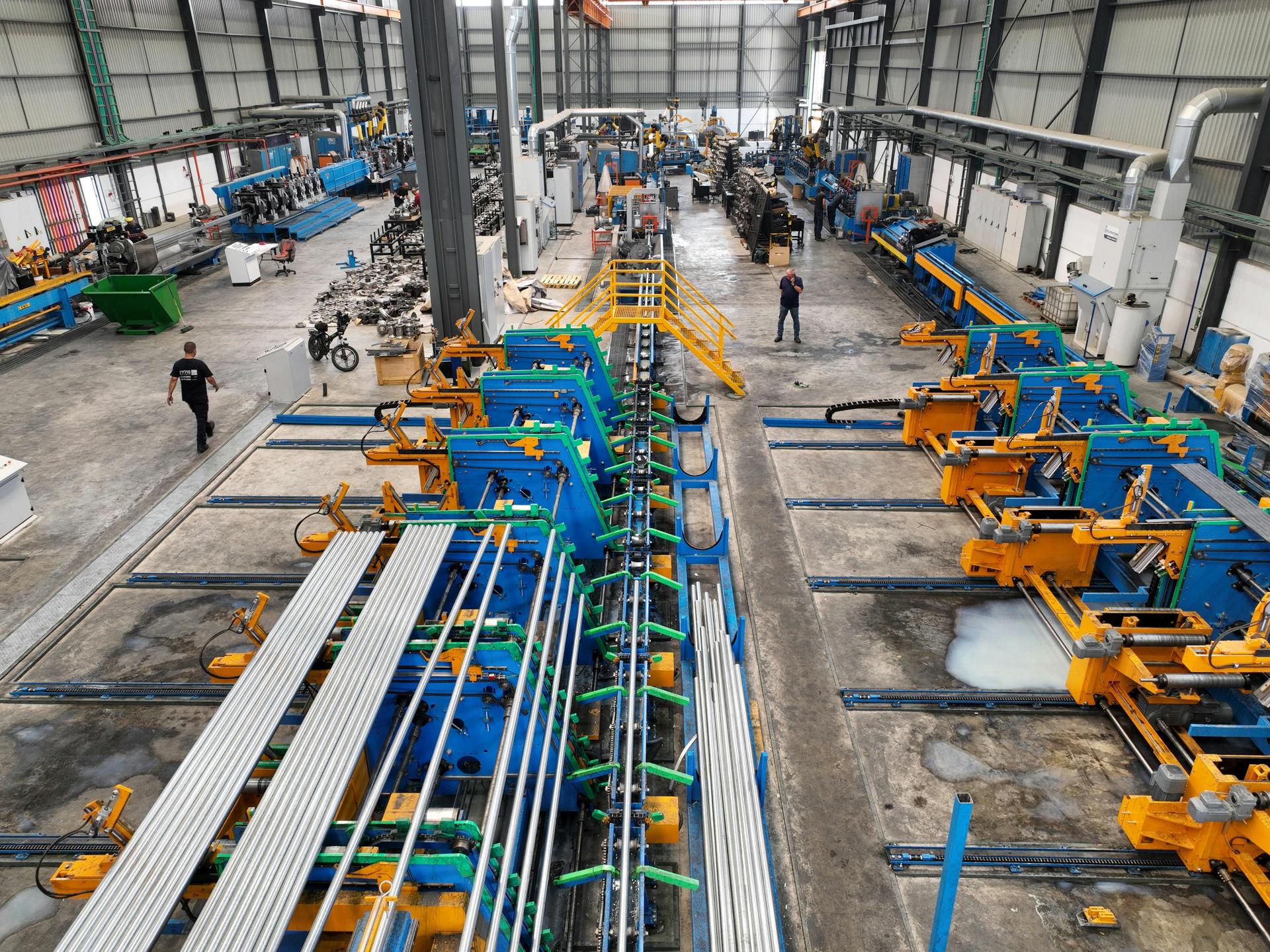
Manufacturing

Manufacturing

Legacy systems are common. Apps integrate without replacing existing infrastructure entirely.

Manufacturing

Legacy systems are common. Apps are designed to integrate without replacing existing infrastructure entirely. Read-only mirrors and scoped writes reduce risk to PLCs and historians. Floor tablets tolerate gloves, dust, and intermittent Wi-Fi. Shift handovers capture notes and counts without duplicate entry. Change windows and staged rollouts avoid surprises during production peaks.

Travel & Hospitality

Travel & Hospitality

Users expect instant results—booking flows and real-time updates without delays or inconsistencies.

Travel & Hospitality

Users expect instant results. Booking flows and real-time updates are handled without delays or inconsistencies. Fare and room rules evaluate quickly before checkout. Itinerary changes propagate to wallets and notifications in one pass. Partner feeds degrade gracefully when an upstream API slows. Currency and locale stay coherent across search, pay, and post-trip support.

Healthcare & Telemedicine

Healthcare & Telemedicine

Applications help manage consultations and patient records. They also handle real-time interactions while keeping things stable for care teams.

Healthcare & Telemedicine

Applications help manage consultations and patient records. They also handle real-time interactions. This is done while keeping things stable and making sure data is handled in a way. This is really important, in places where things have to work all the time. Clear triage and follow-up paths reduce guesswork when schedules are full. Access controls and audit trails support trust without slowing clinicians down.

E-Commerce & Retail

E-Commerce & Retail

Performance directly impacts conversions. Fast browsing, stable checkout, and traffic spikes handled without slowing down.

E-Commerce & Retail

Performance directly impacts conversions. The focus stays on fast product browsing, stable checkout flows, and handling traffic spikes without slowing down during high-demand periods. Catalog slices, image lazy-loading, and predictable pagination keep first paint sharp. Cart and payment steps recover gracefully from brief network blips. Inventory and promos stay in sync so shoppers rarely hit dead ends. Search and filters stay responsive on mid-range devices.

FinTech & Banking

FinTech & Banking

Financial applications require precise execution—secure authentication, real-time transactions, and stable integrations.

FinTech & Banking

Financial applications require precise execution. Secure authentication, real-time transactions, and stable integrations are handled in environments where even small delays create larger risks. Step-up checks feel fast, not blocking. Ledger updates and receipts stay consistent across channels. Monitoring catches anomalies early so teams can intervene before balances drift. Third-party rails fail over cleanly instead of leaving users stuck.

Logistics & Supply Chain

Logistics & Supply Chain

Operations depend on visibility—tracking, route updates, and coordination without interruptions.

Logistics & Supply Chain

Operations depend on visibility. Apps handle tracking, route updates, and backend coordination so businesses can monitor movement without interruptions. Drivers get clear manifests and exception flows when a stop slips. Dispatch dashboards reflect live ETAs without hammering the API. Proof-of-delivery and handoff scans close the loop for finance and support. Offline pockets buffer critical reads until signal returns.

EdTech & E-Learning

EdTech & E-Learning

Users don't always have stable connections. Platforms handle offline access and consistent delivery across devices.

EdTech & E-Learning

Users don't always have stable connections. Platforms are designed to handle offline access and consistent content delivery across devices. Lessons, quizzes, and media resume where learners left off. Progress syncs when connectivity returns without duplicate submissions. Classroom and cohort views stay legible on small screens. Release cadence favors stability so exam week is never a surprise deploy.

Social Networking

Social Networking

Growth can be unpredictable. Applications manage real-time updates and scaling without performance drops.

Social Networking

Growth can be unpredictable. Applications are built to manage real-time updates and scaling challenges without performance drops. Feeds and notifications batch sensibly under load. Moderation queues stay usable when spikes hit. Media and chat avoid blocking the main thread on modest phones. Feature flags and gradual rollout limit blast radius when experiments ship.

On-Demand & Marketplace

On-Demand & Marketplace

Speed and coordination matter—matching, notifications, and transactions designed to work without delays.

On-Demand & Marketplace

Speed and coordination matter. Matching systems, notifications, and transaction handling are designed to work without delays. Supply and demand signals update without thrashing the client. Push and in-app alerts respect quiet hours yet surface time-sensitive offers. Disputes and payouts follow transparent states both sides can track. Maps and ETAs stay honest when traffic or weather shifts mid-trip.

Real Estate

Real Estate

Search experience defines usability—filters, maps, and listing performance reduce friction in discovery.

Real Estate

Search experience defines usability. Filters, maps, and listing performance are structured to reduce friction in property discovery. Saved searches and alerts feel instant without re-querying everything. Tour scheduling respects agent calendars and time zones. Document rooms keep versions tidy for buyers, sellers, and counsel. Performance budgets stop galleries from freezing mid-scroll.

Food & Hospitality

Food & Hospitality

Ordering flows must remain fast and reliable. Every step—from browsing to checkout—is optimized to reduce drop-offs.

Food & Hospitality

Ordering flows must remain fast and reliable. Every step—from browsing to checkout—is optimized to reduce drop-offs. Reservations and kitchen pacing stay aligned when dine-in, pick-up, and delivery peak together. KDS and courier handoffs match promised prep times. Payments, tips, and retries stay calm so one hiccup does not abandon the basket. Loyalty and menu updates stay quick on everyday staff devices.

SaaS & Enterprise Tools

SaaS & Enterprise Tools

Applications support internal operations—multi-user dashboards and integrations built for consistent performance.

SaaS & Enterprise Tools

Applications support internal operations. Multi-user environments, dashboards, and integrations are structured for consistent performance. Role-aware navigation keeps noise low for each persona. Heavy charts stream aggregates instead of shipping giant payloads. Webhooks and imports retry with backoff so nightly jobs finish cleanly. Observability ties UI latency to backend queues for faster triage.

Manufacturing

Manufacturing

Legacy systems are common. Apps integrate without replacing existing infrastructure entirely.

Manufacturing

Legacy systems are common. Apps are designed to integrate without replacing existing infrastructure entirely. Read-only mirrors and scoped writes reduce risk to PLCs and historians. Floor tablets tolerate gloves, dust, and intermittent Wi-Fi. Shift handovers capture notes and counts without duplicate entry. Change windows and staged rollouts avoid surprises during production peaks.

Travel & Hospitality

Travel & Hospitality

Users expect instant results—booking flows and real-time updates without delays or inconsistencies.

Travel & Hospitality

Users expect instant results. Booking flows and real-time updates are handled without delays or inconsistencies. Fare and room rules evaluate quickly before checkout. Itinerary changes propagate to wallets and notifications in one pass. Partner feeds degrade gracefully when an upstream API slows. Currency and locale stay coherent across search, pay, and post-trip support.

How the Development Process Runs at SpaceToTech

  1. 1. Discovery & Requirements Gathering

    Business analysis, stakeholder interviews, scope definition. Understanding what you actually need before anyone opens an IDE. This stage routinely surfaces assumptions that would've cost significant time and money to correct later.

  2. 2. UI/UX Design & Prototyping

    Wireframes, interactive prototypes, user journey mapping. You see how the software will behave before development begins. Most clients have at least one moment in this stage where they realize a requirement needs to change — and it's infinitely cheaper to catch that here than in sprint four.

  3. 3. Agile Development Sprints

    Two-week cycles. Working software at the end of each one. The development cycle stays visible, feedback loops stay short, and the scope adapts based on what you learn as the product takes shape.

  4. 4. Quality Assurance & Software Testing

    Automated and manual software testing covering functional behavior, performance under load, security vulnerabilities, and user acceptance. We don't compress this stage to hit a deadline.

  5. 5. Deployment & Launch

    CI/CD pipelines, cloud environment setup, go-live support. We're present for the launch, not done when the code is merged.

  6. 6. Ongoing Maintenance

    Post-launch monitoring, performance tuning, bug resolution, and feature development. The development life cycle doesn't end at launch — it shifts.

The Technology Our Software Development Teams Work With

A lot of agencies over complicate technology discussions. The reality is simpler. The best teams choose technologies based on business fit, scalability, and maintainability. Not trends.

React.js

Vue.js

Angular

Next.js

What You Actually Get From a Proper Custom Software
Development Company

This isn't a features list. This is what it means in practice.

Custom software development illustration showing growth analytics and engineering

You own everything

Source code, documentation, IP — it transfers to you. When we're done, you're not dependent on us to keep the lights on. No licensing fees. No access is removed if you stop paying a monthly retainer. It's yours.

Architecture that handles growth

A dedicated custom software development team that thinks about where you're going, not just where you are. The difference between software that scales and software that requires a re-platform in 18 months is almost always decided in the first architecture conversations — before the stack is locked in.

Something your competitors can't just buy

Proprietary workflows, domain rules, and product logic your rivals cannot license off a shelf. What you build becomes a moat — because it mirrors how your operation actually runs, not how a generic SaaS vendor assumes it should.

Integration that actually works

ERP, CRM, payment rails, and legacy databases stay in play. We design APIs, sync jobs, and data models around how information really moves — with failure handling that survives production traffic, not just a demo environment.

A team that stays consistent

Not a pool of contractors cycling through tickets. A named software development team that knows your product, your codebase, and your business context. The institutional knowledge that builds up over a project is genuinely valuable — and it shouldn't evaporate every sprint.

Real transparency

Weekly sprint demos. Live project boards. Direct access to the people writing your code. This sounds basic but it's surprisingly rare in practice — most software development firms manage communication through a layer of account managers who weren't in the room when decisions were made.

Support after the fact

Post-launch isn't a different vendor's problem. We maintain, monitor, and evolve software after it ships — because software that doesn't evolve becomes the legacy system you're eventually trying to escape.

Custom Software Development Cost in the USA - Real Numbers

Most agencies either dodge this question entirely or give ranges so wide they're useless. We'd rather be direct.

Software development cost depends on scope, complexity, team composition, timeline, and a handful of other factors — but here are real ballpark figures based on actual projects.

Web ApplicationDevelopment

Basic / MVP

$15,000 – $40,000

Mid-Range

$40,000 – $120,000

Enterprise / Complex

$120,000 – $500,000+

Mobile AppDevelopment

Basic / MVP

$20,000 – $50,000

Mid-Range

$50,000 – $150,000

Enterprise / Complex

$150,000 – $400,000+

SaaS PlatformDevelopment

Basic / MVP

$30,000 – $70,000

Mid-Range

$70,000 – $200,000

Enterprise / Complex

$200,000 – $600,000+

AI / MLSoftware

Basic / MVP

$25,000 – $60,000

Mid-Range

$60,000 – $180,000

Enterprise / Complex

$180,000 – $500,000+

ERP / EnterpriseSoftware

Basic / MVP

$50,000 – $100,000

Mid-Range

$100,000 – $300,000

Enterprise / Complex

$300,000 – $1,000,000+

E-commercePlatform

Basic / MVP

$15,000 – $40,000

Mid-Range

$40,000 – $120,000

Enterprise / Complex

$120,000 – $350,000+

API Development &Integration

Basic / MVP

$8,000 – $25,000

Mid-Range

$25,000 – $80,000

Enterprise / Complex

$80,000 – $200,000+

LegacyModernization

Basic / MVP

$20,000 – $60,000

Mid-Range

$60,000 – $200,000

Enterprise / Complex

$200,000 – $500,000+

IoT SoftwareDevelopment

Basic / MVP

$25,000 – $70,000

Mid-Range

$70,000 – $200,000

Enterprise / Complex

$200,000 – $500,000+

HIPAA HealthcareApp

Basic / MVP

$30,000 – $80,000

Mid-Range

$80,000 – $250,000

Enterprise / Complex

$250,000 – $600,000+

CRMSoftware

Basic / MVP

$15,000 – $35,000

Mid-Range

$35,000 – $100,000

Enterprise / Complex

$100,000 – $300,000+

Web ApplicationDevelopment

Basic / MVP

$15,000 – $40,000

Mid-Range

$40,000 – $120,000

Enterprise / Complex

$120,000 – $500,000+

Mobile AppDevelopment

Basic / MVP

$20,000 – $50,000

Mid-Range

$50,000 – $150,000

Enterprise / Complex

$150,000 – $400,000+

SaaS PlatformDevelopment

Basic / MVP

$30,000 – $70,000

Mid-Range

$70,000 – $200,000

Enterprise / Complex

$200,000 – $600,000+

AI / MLSoftware

Basic / MVP

$25,000 – $60,000

Mid-Range

$60,000 – $180,000

Enterprise / Complex

$180,000 – $500,000+

ERP / EnterpriseSoftware

Basic / MVP

$50,000 – $100,000

Mid-Range

$100,000 – $300,000

Enterprise / Complex

$300,000 – $1,000,000+

E-commercePlatform

Basic / MVP

$15,000 – $40,000

Mid-Range

$40,000 – $120,000

Enterprise / Complex

$120,000 – $350,000+

API Development &Integration

Basic / MVP

$8,000 – $25,000

Mid-Range

$25,000 – $80,000

Enterprise / Complex

$80,000 – $200,000+

LegacyModernization

Basic / MVP

$20,000 – $60,000

Mid-Range

$60,000 – $200,000

Enterprise / Complex

$200,000 – $500,000+

IoT SoftwareDevelopment

Basic / MVP

$25,000 – $70,000

Mid-Range

$70,000 – $200,000

Enterprise / Complex

$200,000 – $500,000+

HIPAA HealthcareApp

Basic / MVP

$30,000 – $80,000

Mid-Range

$80,000 – $250,000

Enterprise / Complex

$250,000 – $600,000+

CRMSoftware

Basic / MVP

$15,000 – $35,000

Mid-Range

$35,000 – $100,000

Enterprise / Complex

$100,000 – $300,000+

USD estimates for USA-market projects. Final cost depends on scope, team size, timeline, and complexity.

What Actually Moves These Numbers

Scope & Feature Count

The biggest cost driver. A simple CRUD platform and a multi-role system with integrations, dashboards, and real-time reporting may both sound like “a web app” — but they are completely different projects in terms of engineering effort.

Key Factors

  • User roles & permissions
  • Dashboard complexity
  • Workflow automation
  • Real-time functionality
  • API integrations

Ways to Engage With SpaceToTech

Fixed Price

Defined scope, timeline, and cost agreed upfront. Best for MVPs and well-scoped projects with stable requirements. No surprises.

Time & Material

Billed per sprint as the work happens. Scope can evolve. Best for complex product development, where requirements will shift as you learn.

Dedicated Team

You can have a team that works with you all the time. This team is like a part of your company. Does things the way you do. It's really good when you need ongoing capacity without building an in-house engineering org from scratch.

Milestone-Based

Payment tied to defined project milestones. Reduces risk for mid-size projects where phased delivery makes sense.

Not sure which fits?We'll tell you honestly during a free scoping call.

Customer success representative ready for a scoping call

Why SpaceToTech Among the Top Custom Software Development Companies in the USA

USA-Based Project Management, Global Delivery

Senior project managers and solution architects based in the United States, supported by globally distributed engineering teams. Get strong communication, timezone alignment, and access to world-class technical talent.

You Own the IP

Full source code, documentation, and intellectual property transfer at project completion. No licensing lock-ins or long-term dependency on a single vendor.

Agile & Transparent Process

Bi-weekly demos, live project tracking, and direct communication with developers ensure complete visibility throughout the development lifecycle.

Domain Expertise Across Industries

Deep experience across healthcare, fintech, logistics, SaaS, and e-commerce helps build software aligned with real industry challenges and compliance requirements.

Everything In-House

From strategy and UX design to development, deployment, and post-launch support — every stage is handled under one roof for faster execution and better consistency.

Security-First Development

Security and compliance are built into the architecture from day one using OWASP-aligned practices, penetration testing, and enterprise-grade infrastructure standards.

A Few Examples of What We've Actually Shipped

E-commerce marketplace

A retail client had grown past what their existing platform could handle - inventory complexity, multi-vendor requirements, the works. We built a custom marketplace with a recommendation engine layered in. Six months after launch, the platform was processing three times previous transaction volumes without performance issues.

FinTech SaaS platform

A financial services client was running operations across a patchwork of legacy tools that were creating compliance exposure and slowing their team down. We built a custom multi-tenant SaaS platform with real-time reporting, role-based access, and full audit trail functionality. Forty percent reduction in processing time. A platform that became a genuine differentiator.

Healthcare patient portal

A regional health system needed a HIPAA-compliant patient portal that integrated three separate clinical systems. We built the integration layer and the portal, with role-based access across patient, clinician, and administrator.

E-commerce marketplace

A retail client had grown past what their existing platform could handle - inventory complexity, multi-vendor requirements, the works. We built a custom marketplace with a recommendation engine layered in. Six months after launch, the platform was processing three times previous transaction volumes without performance issues.

FinTech SaaS platform

A financial services client was running operations across a patchwork of legacy tools that were creating compliance exposure and slowing their team down. We built a custom multi-tenant SaaS platform with real-time reporting, role-based access, and full audit trail functionality. Forty percent reduction in processing time. A platform that became a genuine differentiator.

Healthcare patient portal

A regional health system needed a HIPAA-compliant patient portal that integrated three separate clinical systems. We built the integration layer and the portal, with role-based access across patient, clinician, and administrator.

Clutch 5.0 rating

Recognized. Trusted. Preferred

Awards & Recognition

We are proud to be recognized by leading platforms and industry experts for our innovation, impact, and excellence

TopDevelopers

TopDevelopers

Top Mobile App Developers

Freelancer

Freelancer

Top Mobile App Developers

AppFutura

AppFutura

Top Mobile App Developers

GoodFirms

GoodFirms

Top Mobile App Development

Clutch

Clutch

Top Mobile App Developers

Excellence isn't claimed.It's recognized

These achievements reflect our commitment to
delivering world-class AI solutions that help
businesses grow and lead

Questions People Ask Before They Commit

Most USA-market custom software projects fall between $15,000 for a focused MVP and $500,000+ for enterprise platforms with complex integrations, compliance, and multi-role workflows. The real drivers are scope, feature count, tech stack, team composition, and timeline pressure — not a single hourly rate. SpaceToTech uses a blended delivery model: USA-based project management with global engineering, which keeps quality high without pure onshore pricing.
A well-scoped MVP typically takes 8–16 weeks. Mid-complexity products with integrations, dashboards, and multiple user roles often run 4–8 months. Enterprise systems with compliance, legacy migration, or heavy workflow automation can take 9–18 months. Timeline depends less on "how many screens" and more on how many systems, rules, and edge cases your product has to handle in production.
Off-the-shelf software is built for a generic market. You adapt your processes to the product. Custom software is built around how your business actually operates — your workflows, integrations, compliance needs, and competitive logic. Shelf tools are faster to start but often cost more long-term in workarounds, manual processes, and re-platforming when you outgrow them. Custom software is slower upfront but becomes an asset you own.
Yes. At SpaceToTech, full source code, documentation, and intellectual property transfer to you at project completion. No licensing lock-ins, no access removed if you stop a retainer, and no long-term dependency on a single vendor to keep the lights on.
Yes. We regularly integrate with ERPs, CRMs, payment rails, legacy databases, and third-party APIs. The goal is not to rip and replace everything on day one — it is to design architecture, data flows, and failure handling around how your systems actually work today while leaving room to evolve.

Supporting Insights

Top Software Developers in Delhi
Blogs05/06/2026

Top Software Developers in Delhi: 15 Best Software Development Companies (2026)

Delhi NCR has emerged as one of India's most dynamic technology hubs, home to thousands of software developers, innovative startups, and world-class software development companies. Whether you are a startup looking to build your first MVP or an enterprise seeking to modernize legacy systems, finding the right software development company in Delhi can make or break your project. In this comprehensive guide, we have researched and curated the 15 best software development companies in Delhi NCR — covering Noida, Gurgaon, and Faridabad — to help you make an informed decision. We evaluated each company on technical expertise, portfolio quality, client reviews, industries served, and post-launch support. By the end of this guide, you will know exactly which top software companies in Delhi NCR are best suited to your business needs, technology stack, and budget. >>> Need a Custom Software Solution? Talk to SpaceToTech Experts Today! Get a FREE consultation with our senior software architects. We help businesses across Delhi NCR build scalable, secure, and high-performance software applications tailored to their goals. Click here: https://spacetotech.com/contact Quick Overview: Top 15 Software Development Companies in Delhi (2026)  #  Company  Founded  Team Size  Core Services  Industries 1 SpaceToTech 2022 50-200 Custom Software, Web, Mobile, AI/ML, ERP FinTech, Healthcare, Retail, EdTech 2 Techugo 2015 200+ Mobile Apps, Web, IoT, AI Healthcare, Retail, Travel 3 Webkul Software 2010 300+  eCommerce, ERP, CRM, SaaS  Retail, B2B, Manufacturing 4 Successive Digital 2012 200+  Digital Transformation, Cloud, DevOps Enterprise, FinTech, EdTech 5 Newgensoft 1992 3000+  BPM, ECM, RPA, Banking Software Banking, Insurance, Government 6  Mobileware Technologies 2005 200+ Banking Software, Digital Payments Banking, NBFC, Payments 7 Quytech 2010 150+ AR/VR, AI, Blockchain, Mobile Apps Gaming, Healthcare, E-learning 8 Peerbits 2011 150+ Mobility, IoT, AI, Cloud Logistics, Healthcare, Real Estate 9 Algoworks 2006 250+ Salesforce, Mobile, Enterprise CRM Healthcare, Legal, Finance 10 BrainVire 2000 1000+ eCommerce, CRM, Cloud, BI Retail, Manufacturing, Travel 11 TechAhead 2009 150+ Mobile Apps, Web, Digital Strategy Fitness, Food, Finance 12 Vinove Software 2007 100+ Web, Mobile, UI/UX Travel, Real Estate, Healthcare  13 Mindfire Solutions 1999 1000+ Software Dev, QA, Data Analytics Energy, Media, Healthcare  14 Digicorp 2006 100+ Product Engineering, Cloud, AI HealthTech, FinTech, SaaS 15 CES (Computer Enterprises) 1968 1000+ ERP, IT Staffing, Custom Software Manufacturing, BFSI, Telecom Why Hire Software Developers in Delhi? Delhi NCR is not just India's political capital — it is rapidly becoming one of Asia's top technology corridors. Here is why businesses across the globe prefer partnering with top software developers in Delhi : 1. Access to a Deep Pool of Skilled Software Talent Delhi NCR is home to premier engineering institutions such as IIT Delhi, DTU, NSIT, and Amity University, producing thousands of highly skilled software engineers every year. This translates to a rich talent pool of developers proficient in cutting-edge technologies — from AI and machine learning to cloud-native development and mobile app engineering. 2. Highly Cost-Effective Software Development Compared to hiring software developers in the US, UK, or Australia, Delhi-based software companies offer up to 60-70% cost savings without compromising on quality. This makes Delhi one of the most sought-after destinations for custom software development outsourcing globally. 3. Thriving Startup & Enterprise Ecosystem With Gurgaon's corporate tech corridor and Noida's IT parks hosting companies like HCL, Adobe, Samsung R&D, and hundreds of innovative startups, Delhi NCR presents a unique blend of startup agility and enterprise-level software development capabilities. 4. Strong Enterprise-Level Expertise Many top software companies in Delhi Gurgaon Noida have decades of experience delivering enterprise software for Fortune 500 companies. From ERP systems and banking software to advanced AI-powered platforms, Delhi's software companies have proven expertise across complex, large-scale software projects. 5. Emerging Technology Leadership Delhi NCR's software developers are at the forefront of adopting emerging technologies including Generative AI, blockchain, IoT, AR/VR, and cloud-native architectures, making them ideal partners for future-ready software solutions. How We Selected the Best Software Development Companies in Delhi Our editorial team spent weeks researching and evaluating software development companies across Delhi, Noida, and Gurgaon. Here is the selection framework we used: Technical Expertise: Depth of skills across frontend, backend, mobile, cloud, and AI/ML technologies Portfolio Quality: Complexity, scale, and diversity of past software projects Client Reviews: Ratings and testimonials on Clutch, GoodFirms, Google, and LinkedIn Industry Experience: Breadth of industries served and domain-specific knowledge Development Methodology: Use of Agile, Scrum, DevOps, and CI/CD practices Communication & Support: Responsiveness, transparency, and post-launch maintenance Scalability of Solutions: Ability to build software that grows with your business Top 15 Software Developers in Delhi NCR (2026) — Detailed Reviews 1. SpaceToTech — Best Custom Software Development Company in Delhi Overview SpaceToTech is one of the most trusted top software development companies in Delhi NCR. Founded in 2022, they have rapidly grown into a full-stack software powerhouse delivering scalable software solutions for startups, SMEs, and enterprises. With a strong emphasis on innovation and Agile development methodologies, SpaceToTech has successfully delivered 200+ software projects across 15+ countries. Their team of 50-200 software experts brings deep expertise in custom software, web applications, mobile apps, cloud platforms, and AI-powered solutions. Key Services Custom Software Development — Tailor-made software applications for your exact business needs Web Application Development — High-performance, scalable web platforms using React, Angular, Node.js Mobile App Development — iOS, Android, and cross-platform mobile apps with Flutter & React Native AI & Machine Learning Solutions — Intelligent software products powered by cutting-edge AI/ML ERP & CRM Development — Enterprise resource planning and customer relationship management systems Cloud Application Development — Cloud-native apps on AWS, Azure, and Google Cloud Software Testing & QA — Comprehensive automated and manual testing services Industries Served FinTech & Banking Healthcare & MedTech Retail & eCommerce EdTech & E-learning Platforms Logistics & Supply Chain Technology Stack Frontend: React.js, Angular, Vue.js, Next.js Backend: Node.js, Python, Java, .NET Core Mobile: Flutter, React Native, Swift, Kotlin Cloud: AWS, Microsoft Azure, Google Cloud Platform AI/ML: TensorFlow, PyTorch, Scikit-learn, OpenAI APIs Why Choose SpaceToTech SpaceToTech combines enterprise-level technical expertise with startup agility and a genuine client-first approach. Their transparent Agile development process, dedicated project managers, clear milestone-based delivery, and robust post-launch support make them the go-to partner for businesses building scalable software products from scratch. They are particularly strong in custom business software, AI-powered applications, and full-cycle product engineering. Website https://spacetotech.com/ 2. Techugo — Top Mobile App & Software Development Company Overview Techugo is a globally recognized mobile app and software development company headquartered in Noida (Delhi NCR). They have delivered 400+ apps across 30+ countries and are known for their expertise in AI-powered mobile applications, enterprise software solutions, and IoT development. They are consistently rated among the top software development companies in Noida. Key Services iOS & Android Native App Development Flutter & React Native Cross-Platform Apps IoT Application Development AI & Chatbot Solutions Enterprise Software Development Industries Served Healthcare & Wellness Retail & eCommerce Travel & Hospitality Real Estate Technology Stack Mobile: Swift, Kotlin, Flutter, React Native Backend: Node.js, Python Cloud: AWS, Firebase Why Choose Techugo Recognized by Clutch and GoodFirms among the top mobile app development companies, Techugo is ideal for businesses wanting robust, scalable mobile software applications combined with excellent UI/UX design. Their global delivery model and dedicated project teams ensure consistent quality. Website https://www.techugo.com/ 3. Webkul Software — Leading eCommerce & SaaS Product Company Overview Webkul is a Delhi-based software product company specializing in eCommerce platforms, marketplace solutions, and SaaS products. With 12,000+ modules sold and 60,000+ clients worldwide, they are one of the most prolific software product companies in India. Their open-source contributions and deep expertise in Magento, Shopify, and WooCommerce make them a top choice for retail software development. Key Services eCommerce Software Development Multi-Vendor Marketplace Solutions ERP & CRM Integration SaaS Product Development Magento, Shopify, WooCommerce Plugins Why Choose Webkul If you are in retail or eCommerce, Webkul is among the best software companies in Delhi for building advanced, scalable commerce platforms with extensive integration capabilities and a huge library of ready modules. Website https://webkul.com/ 4. Successive Digital — Digital Transformation & Cloud Experts Overview Successive Digital is a top software development company in Delhi NCR focused on digital transformation, cloud-native development, and enterprise software solutions. Formerly known as Successive Technologies, they serve Fortune 500 companies and fast-growing startups. Their expertise in building scalable software architectures and data engineering pipelines makes them a preferred partner for complex enterprise projects. Key Services Digital Transformation Consulting Cloud-Native & DevOps Engineering Product Engineering & Development Data Engineering & Analytics Enterprise Software Development Why Choose Successive Digital Known for their enterprise software expertise and structured Agile delivery, Successive Digital is ideal for mid to large businesses seeking comprehensive digital transformation partners in Delhi NCR. Website https://www.successive.tech/ 5. Newgensoft — Enterprise BPM & Banking Software Leader Overview Newgen Software Technologies is one of India's largest and most established software companies headquartered in Delhi. A globally recognized leader in Business Process Management (BPM), Enterprise Content Management (ECM), and banking software, Newgen serves major banks, insurance companies, and government agencies worldwide. They are consistently ranked among the top software companies in Delhi NCR for enterprise-grade deployments. Key Services Banking & Financial Software Solutions Business Process Management (BPM) Enterprise Content Management (ECM) Robotic Process Automation (RPA) Low-Code Application Platform Why Choose Newgensoft For enterprises in banking, insurance, or government seeking battle-tested, scalable enterprise software with a strong compliance track record, Newgen is one of the most trusted names among top software companies in Delhi. Website https://newgensoft.com/ 6-15. Other Leading Software Development Companies in Delhi NCR The following companies also rank among the top software developers in Delhi and Delhi NCR, offering specialized expertise across various domains: 6. Mobileware Technologies — Specialists in banking software and digital payment platforms for the BFSI sector. Trusted by leading banks and NBFCs across India.  https://www.mobileware.co.in/ 7. Quytech — Cutting-edge AR/VR, AI/ML, and blockchain software development company. Ideal for gaming, healthcare, and e-learning applications.  https://www.quytech.com/ 8. Peerbits — Mobility solutions, IoT software, and cloud application development specialists serving logistics, healthcare, and real estate clients.  https://www.peerbits.com/ 9. Algoworks — Leading Salesforce consulting, enterprise CRM, and mobile app development company with strong presence in healthcare and legal sectors.  https://www.algoworks.com/ 10. BrainVire — eCommerce platforms, business intelligence & analytics, and cloud-based enterprise software solutions for retail, manufacturing, and travel.  https://www.brainvire.com/ 11. TechAhead — Mobile-first digital products, progressive web apps (PWAs), and consumer application development with a strong design-first philosophy.  https://www.techaheadcorp.com/ 12. Vinove Software — Web development, mobile apps, and UI/UX design services for travel, real estate, and healthcare clients across India and internationally.  https://vinove.com/ 13. Mindfire Solutions — Software development, quality assurance testing, and data analytics services for global clients across energy, media, and healthcare sectors.  https://mindfiretech.com/ 14. Digicorp — Product engineering, cloud solutions, and HealthTech/FinTech software development company with a strong focus on AI-driven applications.  https://www.digicorp.in/ 15. CES (Computer Enterprises Inc.) — ERP implementation, IT staffing, and custom software for manufacturing and BFSI, one of India's oldest and most experienced IT firms.  https://cesindia.com/ >>> Get a Free Project Estimate from SpaceToTech — Within 24 Hours Tell us about your software project — whether it is a web app, mobile app, ERP system, or AI-powered platform — and our experts will send you a detailed cost estimate within 24 hours. No obligation, no strings attached. Click here: https://spacetotech.com/contact Software Development Services Offered by Delhi Companies The best software development companies in Delhi NCR offer a comprehensive range of services to meet diverse business needs: Custom Software Development Custom software development involves building tailor-made software applications designed specifically for your business workflows, processes, and goals. Unlike off-the-shelf software, custom solutions offer complete flexibility, better security, and long-term scalability. Top software companies in Delhi specialize in building bespoke business software for SMEs and enterprises across every industry. Enterprise Software Development Enterprise software development covers large-scale applications like ERP systems, HRMS, supply chain management software, and business intelligence platforms. Delhi's top software developers have proven expertise in delivering enterprise-grade software solutions that integrate seamlessly with existing IT infrastructure. SaaS Product Development Software as a Service (SaaS) development has seen explosive growth. Delhi-based software product companies excel at building multi-tenant SaaS platforms with robust subscription management, scalable cloud architecture, and intuitive user interfaces. ERP & CRM Development Many top 10 ERP software companies in Delhi offer end-to-end ERP implementation and custom CRM development services. These solutions streamline inventory management, sales pipelines, HR processes, and financial reporting — driving significant operational efficiency. Web Application Development From progressive web apps (PWAs) to complex multi-tier web platforms, Delhi's software developers build responsive, high-performance web applications using modern frameworks like React, Angular, and Vue.js combined with robust backend technologies. Mobile App Development Whether iOS, Android, or cross-platform, top software companies in Delhi NCR build feature-rich mobile applications with seamless user experiences. Flutter and React Native are widely adopted for cost-effective cross-platform mobile software development. AI & Machine Learning Development Leading software development companies in Delhi offer advanced AI/ML services including natural language processing, computer vision, predictive analytics, recommendation engines, and Generative AI integrations — helping businesses leverage the power of intelligent software. Cloud Application Development Cloud-native development is a core competency of top software developers in india . Services include cloud migration, serverless architecture, containerization with Docker/Kubernetes, and multi-cloud deployments on AWS, Azure, and Google Cloud. Software Testing & Quality Assurance Robust software testing is non-negotiable for production-ready applications. Top software companies in Delhi NCR offer automated testing, performance testing, security testing, and manual QA services to ensure your software is bug-free and secure. Industries Served by Software Development Companies in Delhi Healthcare & Medical Software Development Delhi-based healthcare software development companies build custom hospital management systems, telemedicine platforms, patient engagement apps, electronic health records (EHR), and medical device software compliant with industry standards like HIPAA and HL7. FinTech & Banking Software Software development companies in Delhi NCR serve leading banks, NBFCs, and FinTech startups with secure payment gateways, lending platforms, wealth management software, and core banking system modernization projects. eCommerce & Retail Software Development From multi-vendor marketplace development to inventory management and POS software, Delhi's software companies provide comprehensive retail software development services that help businesses scale their online and offline operations efficiently. Education & EdTech Software developers in Delhi build LMS platforms, virtual classrooms, AI-powered tutoring systems, and student management software for schools, colleges, and online learning startups capitalizing on India's booming EdTech sector. Real Estate Software Development Real estate software development companies in Delhi build property management platforms, CRM systems for real estate brokers, virtual tour software, and online booking systems that streamline property transactions and tenant management. Logistics & Transportation Fleet management software, route optimization tools, warehouse management systems, and last-mile delivery apps are among the key logistics software solutions built by top software companies in Delhi NCR. Manufacturing & ERP Manufacturing companies across Delhi NCR rely on custom ERP software, production planning tools, quality management systems, and IoT-enabled shop floor management software developed by specialized software companies in the region. Travel & Hospitality Travel booking engines, hotel management software, channel managers, and loyalty program platforms are developed by Delhi's top software developers to serve the unique operational requirements of the hospitality and travel sector. Technologies Used by Top Software Developers in Delhi Frontend Technologies React.js — Most popular framework for fast, interactive web applications Angular — Preferred for enterprise-grade single-page applications Vue.js — Lightweight and progressive framework for modern web UIs Next.js — Server-side rendering and static site generation for SEO-friendly apps Backend Technologies Node.js — High-performance server-side JavaScript for scalable APIs Python — Widely used for AI/ML, data processing, and rapid web development Java (Spring Boot) — Enterprise-grade backend development .NET (C#) — Microsoft-stack enterprise and Windows-based applications Go (Golang) — High-performance microservices and cloud-native apps Mobile Technologies Flutter — Cross-platform mobile development with native-level performance React Native — JavaScript-based cross-platform mobile apps Swift (iOS) & Kotlin (Android) — Native mobile app development Database Technologies MySQL & PostgreSQL — Reliable relational databases for structured business data MongoDB — Flexible NoSQL database for high-volume, unstructured data Redis — In-memory caching for high-performance, low-latency applications Cloud Platforms Amazon Web Services (AWS) — Most widely adopted cloud infrastructure platform Microsoft Azure — Preferred for enterprises using Microsoft technology stack Google Cloud Platform (GCP) — Optimal for AI/ML workloads and Big Data analytics AI & Emerging Technologies Artificial Intelligence & Machine Learning (TensorFlow, PyTorch, Scikit-learn) Generative AI — OpenAI GPT-4o, Claude, Gemini API integrations and fine-tuning Internet of Things (IoT) — Connected device platforms and edge computing Blockchain — Smart contracts, DeFi platforms, and tokenization solutions Software Development Cost in Delhi (2026 Guide) One of the most common questions businesses ask is: how much does custom software development cost in Delhi? The answer depends on several factors, but here is a practical cost breakdown to help you plan your budget effectively:  Project Type  Estimated Cost (INR)  Typical Timeline MVP / Prototype Software Rs. 2 - 5 Lakhs 4 - 8 Weeks Small Business Software Rs. 5 - 12 Lakhs 8 - 16 Weeks Medium Complexity Software Rs. 12 - 30 Lakhs 3 - 6 Months Enterprise Software Rs. 30 Lakhs - 1 Crore+ 6 - 18 Months AI/ML-Powered Applications Rs. 15 - 50 Lakhs+ 4 - 12 Months Full SaaS Platform Build Rs. 20 - 80 Lakhs 5 - 14 Months Key Factors Affecting Software Development Cost Complexity of features and functionality required in the software Technology stack selection and third-party API integrations Team composition (dedicated team vs. shared resources) Project timeline and deadline urgency UI/UX design complexity and number of user interfaces Post-launch maintenance, support, and hosting requirements Security and regulatory compliance requirements (HIPAA, PCI DSS, ISO 27001) How to Choose the Right Software Development Company in Delhi With hundreds of software development companies in Delhi NCR, making the right choice can feel overwhelming. Follow this practical step-by-step framework: Step 1: Define Your Software Requirements Clearly Before approaching any software company, document your requirements — core features, user types, integrations needed, expected user volume, and business goals. A clearly defined scope helps you get accurate proposals and avoids costly scope creep during development. Step 2: Evaluate Technical Expertise Assess whether the company has hands-on experience with the specific technologies your project requires. Ask for code samples, case studies, or technical assessments. The best software developers in Delhi are transparent and confident about their capabilities. Step 3: Review Portfolio of Past Projects Look for software projects similar in complexity and domain to yours. Live demos, detailed case studies, and direct client references are the most reliable indicators of a company's ability to deliver quality software solutions on time and within budget. Step 4: Check Client Reviews & Independent Ratings Platforms like Clutch.co, GoodFirms, and Google Reviews provide verified client testimonials. Pay close attention to reviews discussing communication quality, adherence to timelines, post-launch support responsiveness, and handling of challenges. Step 5: Assess Their Development Methodology The best software development companies in Delhi follow Agile/Scrum methodologies with regular sprint reviews, continuous integration/continuous delivery (CI/CD), and transparent progress tracking tools like Jira or Linear. Avoid companies that cannot clearly articulate their process. Step 6: Understand Post-Launch Support Software development does not end at launch day. Ensure your chosen company offers structured post-launch maintenance, bug fixing SLAs, performance monitoring, and feature enhancement roadmap support. Benefits of Custom Software Development for Businesses Increased Business Efficiency Custom software automates repetitive tasks, streamlines workflows, and eliminates manual errors — directly improving operational productivity. Unlike generic management software, custom solutions are built around your exact business processes and team structures. Enhanced Security Off-the-shelf software is a common target for cybercriminals due to its widespread use and known vulnerabilities. Custom software development allows you to implement security best practices specific to your industry and threat profile, significantly reducing attack surface. Long-Term Scalability Custom software is engineered to scale with your business. As your user base, data volume, and feature requirements grow, your software can be expanded and optimized without costly platform migrations or vendor lock-in. Competitive Advantage Businesses that invest in purpose-built software gain a significant edge over competitors relying on generic tools. Custom features tailored to your unique value proposition can become a powerful, hard-to-replicate competitive differentiator. Better Long-Term ROI While custom software development requires higher upfront investment, it eliminates recurring licensing fees, reduces dependency on multiple third-party tools, and typically delivers superior return on investment over a 3-5 year horizon compared to SaaS alternatives with feature compromises. Common Challenges in Software Development Projects — And How to Avoid Them Scope Creep Scope creep — uncontrolled expansion of project requirements — is the leading cause of budget overruns and missed deadlines. Mitigate this by thoroughly documenting requirements before development starts and implementing a formal change request process with impact assessments. Budget Overruns Unrealistic initial estimates or poorly defined requirements frequently lead to budget overruns. Work with software companies that provide detailed milestone-based cost breakdowns, use Agile sprints for predictable delivery, and offer fixed-price engagements for well-defined scopes. Communication Gaps Poor communication between your business team and the software development company leads to misaligned expectations and expensive rework cycles. Establish clear communication channels with daily standup meetings, weekly progress reports, and shared project management dashboards. Security Vulnerabilities Security is often deprioritized in favour of speed, leading to costly vulnerabilities. Insist on security-first development practices including code reviews, OWASP compliance, penetration testing, and secure coding standards throughout the entire development lifecycle. Integration Issues Modern software rarely works in isolation. Plan all integrations with third-party APIs, payment gateways, legacy systems, and data sources early in the project lifecycle to avoid costly architectural rework during later development stages. Future Trends in Software Development (2026 and Beyond) AI-Powered Software Applications Generative AI and large language models (LLMs) are fundamentally changing how software is built and used. Top software development companies in Delhi are integrating AI-powered features — intelligent search, automated content generation, predictive analytics, and AI copilots — into virtually every category of business software. Cloud-Native & Serverless Development Cloud-native architectures using microservices, serverless functions, and containerization (Docker/Kubernetes) are now the industry standard for scalable, resilient software. Delhi-based software developers are increasingly leading cloud-native modernization projects for global enterprise clients. Low-Code & No-Code Development Low-code development platforms are accelerating delivery of internal tools and business process apps. However, custom software development remains essential for performance-critical, highly specialized, or competitive-advantage applications where uniqueness matters. Cybersecurity-First Software Engineering With rising cybersecurity threats and data breach costs, security is no longer an afterthought — it is embedded into every stage of the software development lifecycle. The best software companies in Delhi now practice DevSecOps as a standard delivery methodology. Data-Driven & Analytics-Embedded Applications Businesses increasingly demand software that surfaces actionable intelligence from operational data. Real-time dashboards, AI-driven recommendations, and embedded analytics capabilities are now expected features in modern enterprise software solutions built by top software developers. Conclusion Delhi NCR is unquestionably one of India's premier destinations for software development, hosting a diverse and dynamic ecosystem of innovative startups, established software product companies, and enterprise-focused IT firms. Whether you need a custom web application, an AI-powered enterprise platform, a mobile app, or a full-scale ERP system — the right software development company in Delhi is out there. Among the 15 best software development companies in Delhi covered in this guide, SpaceToTech stands out as a versatile, full-stack software partner that combines deep technical expertise, strong business acumen, and a genuine client-first approach. Their track record of delivering scalable custom software solutions for startups and enterprises across multiple industries makes them a top choice for businesses across Delhi NCR and beyond. When choosing your software development partner, remember to: define your requirements clearly, evaluate technical expertise and portfolio quality, verify client reviews, assess the development methodology, and ensure robust post-launch support is part of the engagement. The right partner will not just build your software — they will help you build your business. >>> Ready to Build Your Dream Software? Partner with SpaceToTech! SpaceToTech has helped 200+ businesses across Delhi NCR and globally transform their ideas into powerful, scalable software solutions. Whether you are starting from scratch or modernizing existing software, our expert team is ready. Book your FREE strategy call today — let us discuss your project, timeline, and budget. Click here: https://spacetotech.com/contact

React Native App Development Agencies
Blogs04/06/2026

What Are the Best Digital Agencies for Building Apps With React Native?

What Are the Best Digital Agencies for Building Apps With React Native? Choosing the right React Native app development agency in 2026 is one of the most important decisions you will make for your mobile product. The market is flooded with hundreds of vendors all claiming to be the best — but the reality is that most are generalists with a React Native checkbox on their website, not specialists who live and breathe cross-platform mobile. This guide cuts through the noise. We evaluated over 40 agencies across portfolio depth, client reviews, pricing transparency, team expertise, and post-launch support. Whether you are a startup founder building your first MVP or an enterprise CTO scaling a product used by millions, you will find a reliable React Native development company on this list — and a clear framework for choosing the right one. Why React Native Is Still the Smart Choice in 2026 React Native powers apps for Meta, Microsoft, Shopify, and thousands of startups worldwide. In 2026, with the new JSI/Fabric architecture fully stable, its performance gap with native development has virtually closed. For most business applications, it delivers: Up to 40–60% cost savings vs. building separate iOS and Android apps A single JavaScript/TypeScript codebase with ~95% code reuse across platforms Access to the world’s largest developer talent pool (JavaScript) Faster time-to-market — critical for  For most product teams, custom React Native app development services offer the best balance of speed, cost, and quality in cross-platform mobile app development. How We Evaluated the Agencies Every agency on this list was assessed against six criteria: Portfolio quality and industry depth (fintech, healthcare, e-commerce, SaaS) Verified client reviews on Clutch, GoodFirms, and Google Pricing transparency and engagement model flexibility Team size, seniority mix, and React Native specialisation Communication standards and project management tools (Jira, Notion, Slack) Post-launch maintenance, SLA commitments, and long-term support Top React Native App Development Agencies in 2026 #1. SpaceToTech — Best Overall React Native Agency in 2026 Why SpaceToTech Leads This List SpaceToTech is our top pick for teams that need a true React Native app development partner — not just a vendor. Their dedicated team model, transparent pricing, and full-cycle development process make them the standout choice for both startups and enterprises in 2026. SpaceToTech is a specialist React Native app development company serving clients globally from its India-based team. What sets them apart is their obsessive focus on delivery quality — not just shipping code, but building scalable, maintainable products that grow with your business. Startup MVPs, enterprise mobile platforms, fintech, e-commerce, SaaS products Fixed price, time & material, dedicated team $25–$50/hr — delivering exceptional value without cutting corners Ongoing maintenance plans, performance monitoring, dedicated account manager End-to-end React Native expertise, proven delivery framework, and a client-first culture backed by verified 5-star reviews → Ready to build your app? Visit spacetotech.com to request a free project consultation. #2. Toptal — Best for High-Budget Enterprise Projects Toptal connects you with the top 3% of freelance React Native developers globally. Ideal for large enterprises with complex requirements and budgets to match. Hourly rates start at $150, making it less suitable for bootstrapped startups but excellent for organisations that need battle-tested senior talent fast. #3. Appinventiv — Best for Mid-Market and Growth-Stage Companies One of India’s most recognised React Native development companies , Appinventiv has delivered over 900 apps across healthcare, retail, and logistics. Strong project management processes and a large team make them reliable for mid-market digital transformation projects. #4. Simform — Best for Product Companies Simform operates as a true product engineering partner. Their React Native practice is mature, and they excel at long-term engagements where you need a stable, dedicated team embedded in your development cycle. Highly rated on Clutch with a 4.9-star average. #5. Yalantis — Best for Fintech and Healthcare Apps Based in Ukraine with US offices, Yalantis brings deep domain expertise in regulated industries. If your React Native app handles financial transactions or patient data, their compliance-first development approach is a significant advantage. #6–10. Other Strong Contenders Intellectsoft — Enterprise-focused, strong IoT + mobile integration Rootstrap — Excellent for funded US startups needing a full product team Softeq — Hardware-linked mobile apps, strong in Germany and USA Openxcell — Best affordable React Native development services for budget-conscious MVPs Bacancy Technology — Agile React Native teams for SaaS and startup scaling Agency Comparison Table: Pricing, Location & Specialties Use this table to quickly compare your shortlisted agencies before reaching out:  Agency  Location  Hourly Rate  Best For  Rating SpaceToTech India / Global $25–$50 Startups, MVPs, Enterprise ★ 5.0 Toptal USA / Remote $150–$250 Enterprise, High-budget ★ 4.8 Intellectsoft USA / Ukraine  $50–$99  Enterprise, IoT apps  ★ 4.7 Appinventiv  India / UAE $25–$49 Startups & Mid-market ★ 4.8 Simform USA / India $25–$49 Product companies  ★ 4.9  Yalantis Ukraine / USA $50–$99 Fintech, Healthcare ★ 4.7 Rootstrap USA / Uruguay $50–$99 Funded startups ★ 4.6 Softeq USA / Germany $50–$99 Enterprise, Hardware-linked ★ 4.7 Openxcell India $20–$40  Budget-friendly MVPs  ★ 4.6  Bacancy Technology India / USA $25–$50 Agile teams, SaaS ★ 4.7 How to Choose the Right React Native Agency for Your Project Hiring a React Native development team is not just a technical decision — it is a business relationship. Ask these five questions before signing any contract: Do they have proven experience in your specific industry vertical? Can they show live apps in the App Store / Google Play built with React Native? What is their engagement model — fixed scope or iterative sprints? Who owns the code and IP at project completion? What does post-launch support look like and is it included? Red flag to watch for: agencies that quote unusually low rates but cannot provide verified client references or a GitHub portfolio. When you outsource React Native development , the cheapest option almost always becomes the most expensive in the long run. React Native vs Flutter: Which Should You Choose in 2026? This is the question every CTO asks. Here is an honest comparison:  Factor  React Native  Flutter Language JavaScript / TypeScript Dart Performance Near-native (JSI/Fabric 2026) Excellent (compiled to native) Developer Pool Very large (JS ecosystem)  Growing, smaller than JS Code Reuse ~95% cross-platform  ~95% cross-platform Best For Startups, web-adjacent teams High-fidelity UI, Google-first Community Mature, Meta-backed Growing, Google-backed Avg. Agency Cost Slightly lower (wider talent) Slightly higher Our verdict: If your team has JavaScript experience, or you need to share logic with a web product, React Native is the stronger choice in 2026. Flutter is excellent for UI-heavy apps where design fidelity is the priority. Either way, working with an agency specialising in React Native apps — rather than a generalist shop — will deliver better outcomes for either framework. React Native App Development Cost in 2026 One of the most-searched questions in this space. Here is what you can expect to pay: $8,000–$25,000 $25,000–$80,000 $80,000–$250,000+ India-based agencies like SpaceToTech typically charge $25–$50/hr vs. $100–$250/hr for US or Western European agencies — for comparable (often superior) technical output. Affordable React Native development services do not mean cutting corners; they mean leveraging cost-effective talent markets with rigorous quality controls. Conclusion: Which React Native Agency Should You Choose? The best React Native app development agency in 2026 is not necessarily the biggest or the most expensive — it is the one that best aligns with your product vision, timeline, and budget. For the majority of startups, scaleups, and mid-market companies, SpaceToTech offers the most compelling combination of deep React Native expertise, transparent pricing, and a proven delivery process. For large enterprises with complex, high-stakes builds, agencies like Toptal or Yalantis are worth the premium. Whatever you decide: do not rush it. Vet the portfolio, read the Clutch reviews, and have a discovery call before committing. The right React Native app development partner will feel less like a vendor and more like an extension of your own team. → Build smarter in 2026. Contact SpaceToTech at spacetotech.com for a free 30-minute consultation and project estimate.

How to Create a Chatbot
Blogs03/06/2026

How AI Chatbots Are Replacing Traditional Help Desks

When one of our FinTech clients in the US came to us, their support team was drowning. Over 500 tickets per week, an average resolution time of eight hours, and a 24/7 coverage gap that was costing them customers every weekend. Within three months of deploying an AI chatbot we built on their platform, ticket volume routed to human agents dropped by 62%. Resolution time for common queries fell to under 30 seconds. That is not a marketing claim. That is what happens when an AI chatbot is built correctly — with the right knowledge base, the right integration, and the right architecture decisions from day one. If your business still runs on a traditional help desk, this guide explains why that is becoming a competitive disadvantage, and exactly how to create a chatbot that replaces it. What is an AI help desk chatbot — and how is it different from old ticketing systems? A traditional ticketing system (Zendesk, Freshdesk, Jira Service Desk) is fundamentally a routing and tracking tool. A human still has to read the ticket and write the answer. The system organizes the queue; it does not answer the questions. A rule-based chatbot takes a step further — it follows a decision tree. "Press 1 for billing, Press 2 for technical support." It answers questions it was explicitly programmed to answer. Hit an edge case and it breaks. An AI chatbot powered by a large language model (LLM) is architecturally different. It does not follow a script. It reads your knowledge base — your documentation, your FAQs, your product data — and generates accurate, contextual answers to questions it has never seen before. This is called retrieval-augmented generation (RAG), and it is the reason modern AI chatbots can answer questions your support team did not anticipate, without any additional programming. The distinction matters when you are deciding what to build. Why traditional help desks are failing modern businesses The problems are not new. They have just become impossible to ignore. Response time. The average first-response time on email-based support tickets is 12 hours, according to industry benchmarks. Customers contacting companies via chat expect a response in under two minutes. The gap is a churn driver. Coverage cost. Running a 24/7 human support operation requires three staffed shifts. For startups and mid-market businesses, that cost is prohibitive. Most companies accept an 8-hour gap in support coverage as a compromise — and lose customers during it. Repetition. In virtually every help desk we have audited at Space To Tech, between 60–70% of incoming tickets ask the same 20–30 questions. A human being answers the same billing question hundreds of times per week. This is not a good use of human intelligence. Scalability. When a product launches or a promotion runs, ticket volume spikes. Human support cannot scale instantly. AI chatbots handle 10 conversations or 10,000 with identical response time and accuracy. How AI chatbots handle what help desks cannot The core capabilities that make AI chatbots a genuine replacement — not just a supplement — for traditional help desks: Instant, always-on responses. No queue. No shift handover. A customer contacting support at 2 AM on a Sunday gets the same quality answer as one contacting at 9 AM on a Monday. Access to live knowledge bases and databases. A well-built AI chatbot does not just answer from a static FAQ document. It can access online databases, query live order systems, check account status, and pull real-time data into its response. This is what separates a basic chatbot from one that actually resolves issues rather than redirecting them. Multi-channel deployment. The same AI brain can power a chat widget on your website, a Zoom chatbot inside your workspace, and a Facebook Messenger bot — all simultaneously. One integration, multiple touchpoints. Intelligent escalation. When a query exceeds the chatbot's confidence threshold, it hands off to a human agent with full conversation context pre-loaded. The human picks up exactly where the bot left off, without making the customer repeat themselves. This is the chatbot experience that retains customers. Access to source code and technical documentation. For developer-facing support (SaaS products, API documentation, developer tools), a chatbot that can read and reference source code or technical docs answers questions that would normally require a senior engineer's time. How to create a chatbot for your help desk — the core steps Here is the process Space To Tech follows when we build chatbot systems for clients. Whether you are building from scratch or evaluating platforms, these five steps apply. Step 1 — Define scope and use cases. Before any code is written, map the 20–30 most common support queries your team handles. These become the chatbot's priority training scenarios. Also define what the chatbot should escalate rather than answer — set a hard boundary early. Step 2 — Build your knowledge base. This is the most important and most underestimated step. A chatbot is only as good as the knowledge it can access. Compile your FAQs, product documentation, return policies, pricing pages, and troubleshooting guides into a structured, indexed knowledge base. The quality of this document set determines 80% of the chatbot's answer quality. Step 3 — Choose your tech stack. See the section below for a full breakdown. At minimum, you need: an LLM API (OpenAI, Anthropic, or Google), a vector database for knowledge base retrieval (Pinecone, Weaviate, or pgvector), and a frontend chat interface. Step 4 — Integrate with your existing platform. The chatbot needs to connect to your CRM, order management system, or ticketing platform to answer account-specific questions. This integration layer is where most chatbot projects underdeliver — plan for it explicitly, not as an afterthought. Step 5 — Test with real user flows. Do not test with your own team's questions. Test with the actual support tickets from the last 90 days. The gaps between what the chatbot handles well and where it fails will tell you exactly what to improve before launch. Choosing the right tech stack: Python, React, or no-code? This is where the "how to create a chatbot" question branches into three real paths, and the right answer depends on what you are building. Python is the right choice when you need flexibility in the AI and NLP layer. Python's ecosystem — LangChain, LlamaIndex, Hugging Face — gives you control over how the chatbot retrieves from your knowledge base, how it handles multi-turn conversations, and how it connects to custom data sources. If your chatbot needs to do anything beyond answering FAQ-style questions, Python is the right foundation. React is the right choice for the frontend chat widget that users interact with. A React-built chat interface embeds cleanly into any website, can be styled to match your brand, and handles real-time streaming responses well. React handles the UI layer; it does not handle the AI logic. You will need a Python or Node.js backend behind it. No-code platforms (Intercom Fin, Tidio, Botpress) are the right choice when you need a basic FAQ bot deployed in days, not weeks, and your knowledge base is relatively contained. The honest trade-off: no-code tools are faster to launch but significantly more limited when you need the chatbot to access live databases, handle complex multi-step queries, or integrate deeply with your existing systems. For most businesses replacing a full help desk, the right architecture is Python backend + React chat widget + LLM API — not a no-code tool. Real example: how we built an internal chatbot for a FinTech client A Series FinTech company based in the US came to us with a specific problem: their customer support team was handling 500+ weekly tickets, with an average resolution time of eight hours for straightforward queries. Nights and weekends had no coverage at all. We built an AI chatbot with a RAG architecture — a Python backend using LangChain connected to their product knowledge base and live account database, with a React chat widget embedded in their customer portal. The chatbot could answer questions, check account status in real time, and escalate complex cases to human agents with full context. Result: 62% reduction in tickets reaching human agents. Average resolution time for common queries dropped from eight hours to under 30 seconds. Weekend support coverage went from zero to 24/7. The chatbot did not replace their support team. It gave the team back the hours they had been spending answering the same 30 questions repeatedly — so they could focus on the cases that actually needed human judgment. How to create a chatbot like ChatGPT — LLM-powered bots explained The architecture behind ChatGPT-style chatbots has three core components: an LLM (the language model that generates responses), a system prompt (instructions that define the chatbot's role, tone, and constraints), and a retrieval layer (the mechanism that pulls relevant information from your knowledge base before the LLM generates an answer). One thing that surprises most clients: you almost never need to fine-tune the LLM on your own data. Fine-tuning is expensive, requires significant data preparation, and rarely outperforms a well-designed RAG pipeline for support use cases. Prompt engineering combined with retrieval covers 90% of help desk chatbot requirements at a fraction of the cost. The practical implication: building a chatbot like ChatGPT for your specific business does not require training a custom model. It requires a well-structured knowledge base, a well-designed system prompt, and a retrieval layer that connects the two. How to create a chatbot for Facebook Messenger and multi-channel deployment The same AI backend that powers your website chat widget can serve multiple channels simultaneously. The AI logic lives in one place; the channel integrations are separate connection points. For Facebook Messenger , the integration uses Meta's Webhook API — your AI backend receives messages from Messenger, processes them, and sends responses back. The chatbot experience is identical to your website version. For Zoom , the Zoom Marketplace developer platform lets you deploy a Zoom chatbot that responds inside Zoom channels — useful for internal support bots serving your own team. For website chat widget , a React or plain JavaScript embed handles the frontend. The widget connects to your AI backend via a simple API. The important principle: build the AI layer once, integrate to channels as needed. Do not build separate bots for each channel — that creates maintenance complexity that compounds over time. Should you build a chatbot business or buy a platform? Some readers of this guide are not just looking to add a chatbot to their support operation — they want to understand how to create a chatbot business, either by building a SaaS chatbot product or by offering chatbot development as a service. The honest breakdown: Building a chatbot SaaS product (like Intercom or Tidio) is a multi-year, high-capital undertaking. It is a real business, not a side project. If you are considering this path, the differentiation has to be in a specific vertical or use case — a generic chatbot builder competing with established platforms is an extremely difficult position. Offering chatbot development as a service is a viable and growing practice. Businesses need custom chatbot implementations that no-code platforms cannot deliver. If you have development capability, this is a strong service offering — particularly for FinTech, healthcare, and eCommerce clients who need deep system integrations. Using a chatbot as an internal tool for your own business is the highest-ROI path for most companies reading this guide. Build once, run indefinitely, and recover the investment in support cost reduction within months. Build your AI chatbot with Space To Tech Space To Tech has built AI chatbot systems for clients in FinTech, eCommerce, and healthcare across the US, UK, and UAE. Every engagement includes full NDA coverage, complete source code ownership by you, and milestone-based delivery so you see working builds before the final handover — not after. If you are ready to move beyond a traditional help desk, talk to our team about what the right chatbot architecture looks like for your specific platform and support volume.

We’ve been helping Customer globally

So how does it work? Check for yourself by their feedback.
Client Feedback

SignUp for a Call: to transform your Ideas into Reality.

Let’s Book a free consultation call for you
Your’s first and The right Step!

UAE

INDIA

USA

Giphy Coming Soon

Coming Soon

You agree to our Privacy Policy

Get a Callback