Custom
Scalable Software Solutions for the USA Market
SpaceToTech delivers scalable, secure, and custom software solutions designed around your business needs, workflows, and growth goals.

Trusted by global brands









Custom Software Development Services
in the USA
SpaceToTech is a custom software development company that delivers custom software development services for businesses across the United States. From custom application software development to custom web software development and custom mobile software development, we build solutions that match your exact workflow, users, and growth plans. Our approach focuses on performance, scalability, security, and clean architecture, so your product remains reliable today and easy to enhance tomorrow.
Whether you need full-cycle custom software design and development or custom software development outsourcing for faster execution, we provide a structured delivery model with clear scope, milestones, and transparent communication.
Secure
Scalable
High Performance
What Our Custom Software Development Services Cover
Our custom software development services cover custom business applications, enterprise platforms, ERP and CRM systems, and custom mobile software development, built for companies that have outgrown off-the-shelf tools or need to modernize a legacy system. If your current software cannot do what your business requires, here is what building something that can actually looks like.
Custom Web Software Development
Custom Mobile Software Development
Enterprise Platforms, ERP and CRM Systems
Custom Application Software Development Services We Provide for US Businesses
Here's what we build most often for US businesses, across custom application development, enterprise systems, and more.
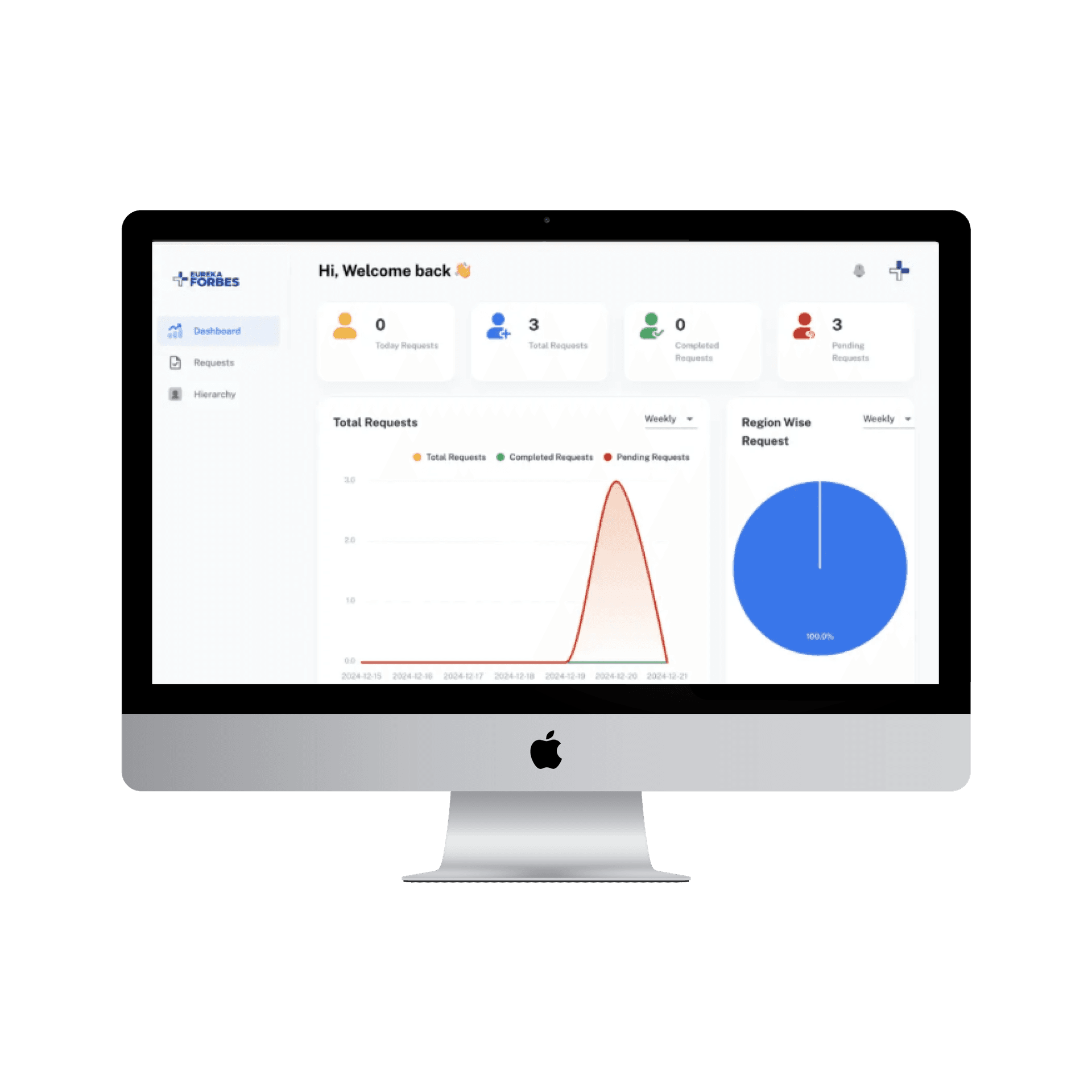
Custom Business Application Development
We build internal tools and customer-facing applications around a specific business process, not a generic feature set. Typical projects include approval workflows, operations dashboards, reporting tools, and systems that connect to the software you already run. The goal is simple: your team stops working around the software and starts working with it.
Why Businesses Choose Custom Software Development Over Generic Tools
Custom software makes sense when standard platforms no longer fit the way your business actually operates. Instead of reshaping internal processes around a generic product, you build software around your workflows, data, users, and integrations, and around what you plan to do next.
Custom software can help businesses:
Automate repetitive workflows and approvals.
Software can route approvals, send notifications, sync data between systems, and generate reports without anyone re-entering information. This is often where custom software pays back fastest, because every manual step removed saves time and reduces errors.
Connect CRM, ERP, payment, analytics, and third-party systems.
Secure APIs link the tools you already run, so data flows between them instead of sitting in separate silos. Your team works from one consistent set of information.
Create role-specific dashboards and reporting.
Each stakeholder sees the KPIs, financials, or operational metrics that matter to their role, and nothing they should not see. Leaders get faster answers, and teams stop assembling reports by hand.
Replace outdated or difficult-to-maintain legacy applications.
Old systems tend to get slower, harder to secure, and harder to change every year. Rebuilding them in stages gives you a maintainable foundation without stopping the business that depends on them.
Support unique business processes that standard software can't handle.
When your process is a competitive advantage, forcing it into a generic tool usually weakens it. Custom software captures the way you actually work, not a template's idea of it.
Scale features and infrastructure as requirements change.
Architecture planned for growth means new modules, users, and integrations can be added without rebuilding what already works. Agile delivery makes each change smaller and easier to test.
Bring AI into your workflows.
Through AI software development, chatbots, intelligent search, and document processing can be built into your existing software instead of running as separate tools. They work best when they connect to the data and processes you already have.
The common thread is control. You decide what gets built, in what order, and how it connects to everything else.
Custom Software vs. Off-the-Shelf Software: How to Decide
Custom software isn't automatically the right choice for every business. Off-the-shelf platforms can work well when your processes are standard and the available features meet your requirements. Custom development becomes more relevant when your workflows are unique, existing systems don't integrate well, or your business needs greater control over functionality, integrations, data, and future development. Understanding how custom software development works, from scoping to launch, makes it easier to judge which side of that line your project falls on.
Custom software is built around your workflows and requirements, so it includes what you need and leaves out what you don't. It usually costs more upfront than a subscription, but it does not ask your team to change how it works.
Off-the-shelf software is faster to deploy and works well for standardized processes such as basic accounting or email. Its limits show up when you need to change how it behaves or connect it to other systems.
Custom development gives you control over integrations, data, and future features. You can extend the software as the business changes, without waiting for a vendor to add what you need.
Build versus buy usually comes down to complexity, business requirements, budget, and how long you plan to use the system. A short discovery phase is often enough to make the answer clear.
If you are unsure which side your project falls on, that is a good topic for a first conversation. We will tell you plainly when an existing tool is enough.
Custom Software Solutions We Build for Everyday Business Operations
Beyond the categories above, here are other systems we're asked to build:
Industry-Specific Custom Software Development We Deliver
We build custom software for businesses across the industries below, serving our core markets in the USA, UAE, UK, Australia, and India.


FinTech and Financial Services
Payment platforms, KYC onboarding workflows, transaction dashboards, and compliance-aware data architecture.
FinTech and Financial Services
Payment platforms, KYC onboarding workflows, transaction dashboards, and compliance-aware data architecture. Reconciliation, approvals, and role-based reporting are common requirements. Financial software is a security surface first and a user interface second, and we build it in that order.
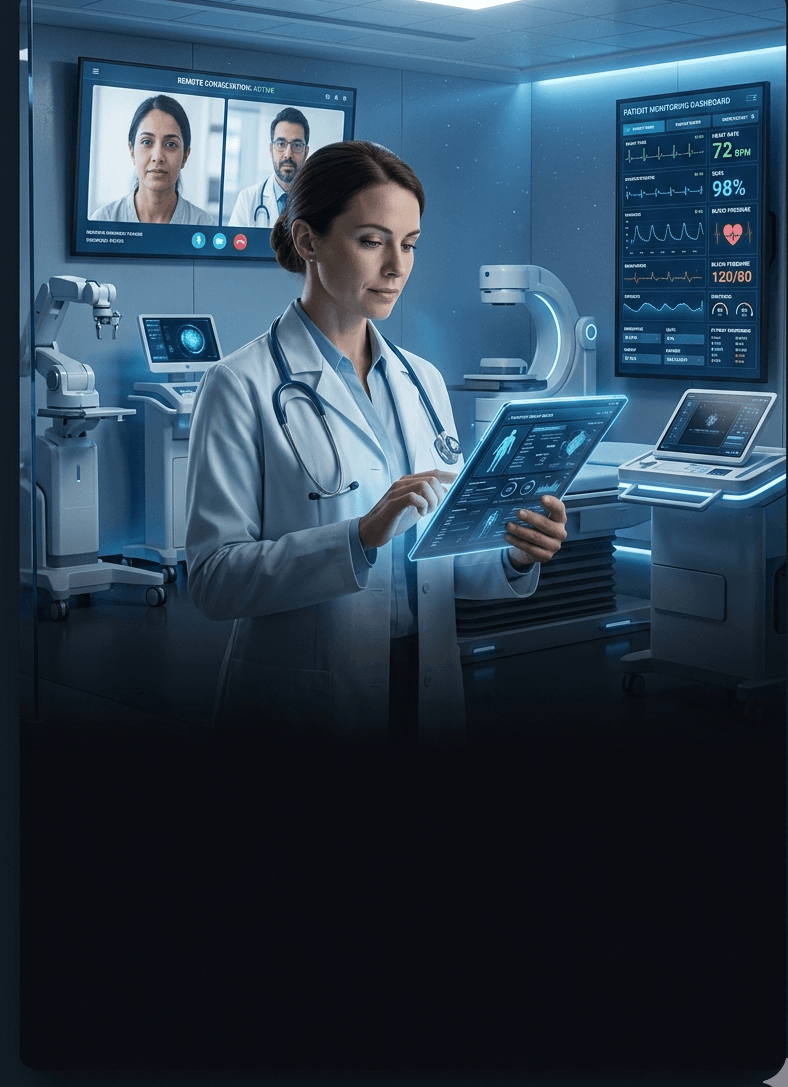

Healthcare
Patient management systems, appointment booking tools, clinical workflow automation, and data handling built around healthcare privacy requirements.
Healthcare
Patient management systems, appointment booking tools, clinical workflow automation, and data handling built around healthcare privacy requirements. Privacy, access controls, audit trails, and dependable performance matter most here, so they are designed in from the first sprint.


Logistics and Supply Chain
Fleet tracking applications, driver management tools, offline-first mobile apps for low-connectivity environments, and warehouse management systems.
Logistics and Supply Chain
Fleet tracking applications, driver management tools, offline-first mobile apps for low-connectivity environments, and warehouse management systems. Real-time GPS and offline-first architecture are what separate useful logistics software from software that drivers stop using.
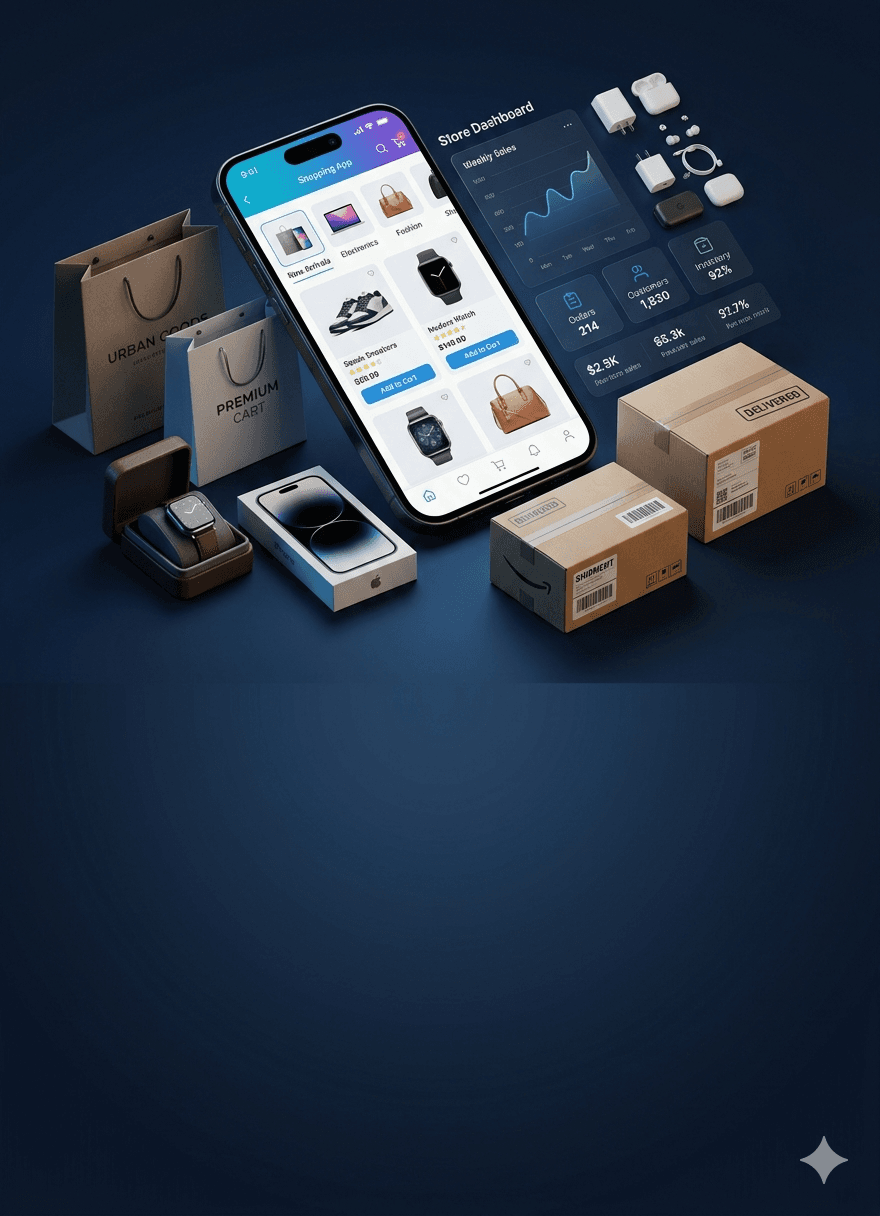

Retail and E-commerce
Custom ordering systems, inventory platforms, loyalty tools, and WhatsApp commerce bots.
Retail and E-commerce
Custom ordering systems, inventory platforms, loyalty tools, and WhatsApp commerce bots. Catalogs, orders, payments, inventory, and shipping are connected so the store runs from one system. Checkout friction and product discovery usually need backend decisions, not just front-end polish.


Real Estate
Property listing platforms, CRM-integrated agent portals, and lead management systems connected to third-party listing data.
Real Estate
Property listing platforms, CRM-integrated agent portals, and lead management systems connected to third-party listing data. Leads are captured, assigned, and followed up inside one workflow, so none get lost between tools.


Education and EdTech
LMS platforms, course delivery systems, progress tracking, gamified learning, and video content delivery at scale.
Education and EdTech
LMS platforms, course delivery systems, progress tracking, gamified learning, and video content delivery at scale. The platforms can serve schools, coaching institutes, corporate training teams, and training providers.
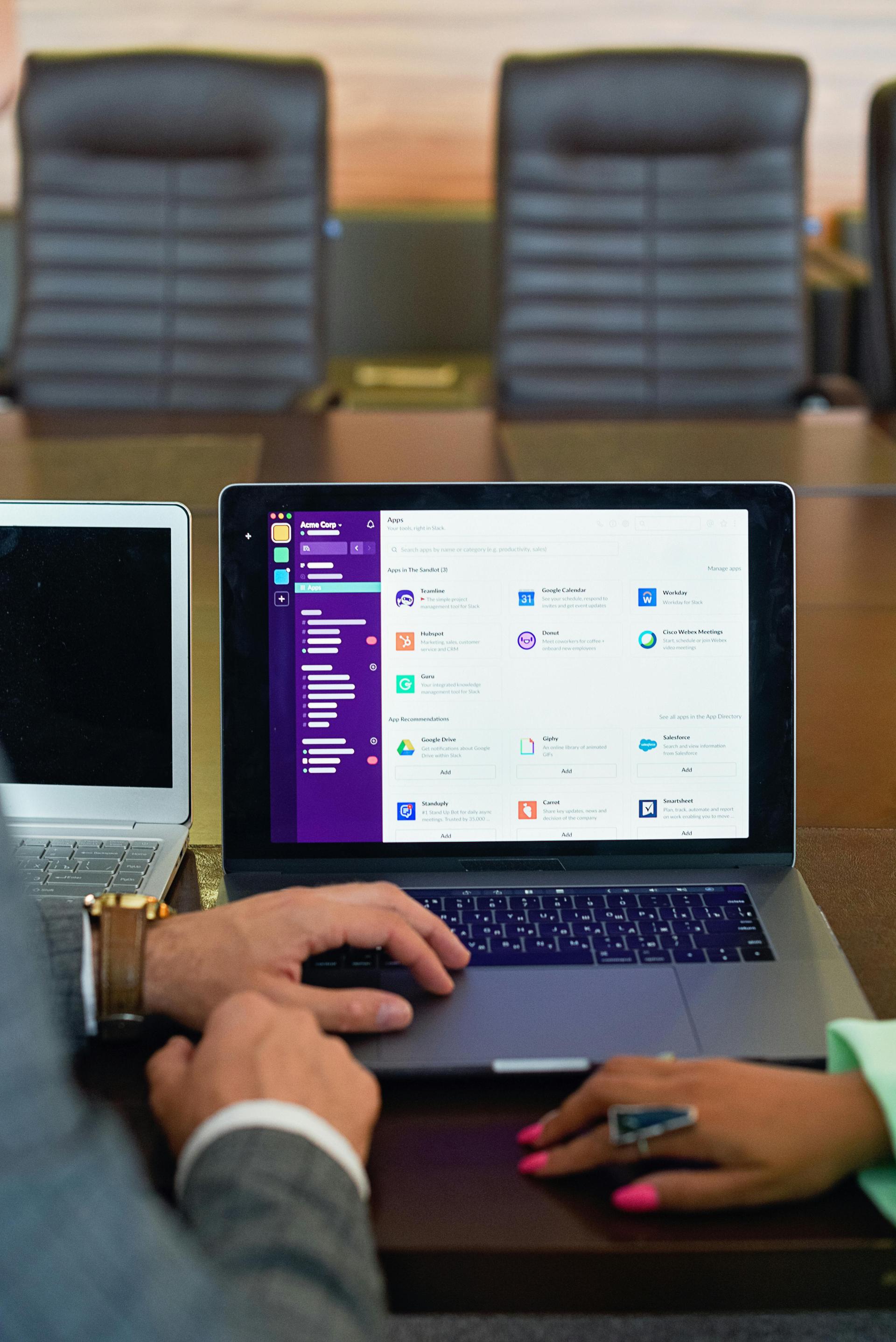

Enterprise and B2B
Internal tools that replace fragmented SaaS stacks, ERP extensions, legacy system replacements, and business process automation.
Enterprise and B2B
Internal tools that replace fragmented SaaS stacks, ERP extensions, legacy system replacements, and business process automation. The aim is one connected system in place of a dozen disconnected subscriptions.


Gaming
Mobile and cross-platform game development covering casual and hyper-casual titles, in-app purchase architecture, leaderboard backends, and ad integration.
Gaming
Mobile and cross-platform game development covering casual and hyper-casual titles, in-app purchase architecture, leaderboard backends, and ad integration. Rendering is optimized to run across a wide range of Android devices as well as iOS.


Fitness and Health Tech
Workout tracking apps, nutrition logging, wearable device integrations, real-time progress dashboards, and membership management systems.
Fitness and Health Tech
Workout tracking apps, nutrition logging, wearable device integrations, real-time progress dashboards, and membership management systems. Fitness businesses need a product that users open every day, not once, so the experience is built around daily use.


Social and Community
Real-time social feeds, media upload with client-side compression, in-app messaging, and community management tools.
Social and Community
Real-time social feeds, media upload with client-side compression, in-app messaging, and community management tools. For these products, daily active retention is the metric that matters most.
FinTech and Financial Services
Payment platforms, KYC onboarding workflows, transaction dashboards, and compliance-aware data architecture.
FinTech and Financial Services
Payment platforms, KYC onboarding workflows, transaction dashboards, and compliance-aware data architecture. Reconciliation, approvals, and role-based reporting are common requirements. Financial software is a security surface first and a user interface second, and we build it in that order.
Healthcare
Patient management systems, appointment booking tools, clinical workflow automation, and data handling built around healthcare privacy requirements.
Healthcare
Patient management systems, appointment booking tools, clinical workflow automation, and data handling built around healthcare privacy requirements. Privacy, access controls, audit trails, and dependable performance matter most here, so they are designed in from the first sprint.
Logistics and Supply Chain
Fleet tracking applications, driver management tools, offline-first mobile apps for low-connectivity environments, and warehouse management systems.
Logistics and Supply Chain
Fleet tracking applications, driver management tools, offline-first mobile apps for low-connectivity environments, and warehouse management systems. Real-time GPS and offline-first architecture are what separate useful logistics software from software that drivers stop using.
Retail and E-commerce
Custom ordering systems, inventory platforms, loyalty tools, and WhatsApp commerce bots.
Retail and E-commerce
Custom ordering systems, inventory platforms, loyalty tools, and WhatsApp commerce bots. Catalogs, orders, payments, inventory, and shipping are connected so the store runs from one system. Checkout friction and product discovery usually need backend decisions, not just front-end polish.
Real Estate
Property listing platforms, CRM-integrated agent portals, and lead management systems connected to third-party listing data.
Real Estate
Property listing platforms, CRM-integrated agent portals, and lead management systems connected to third-party listing data. Leads are captured, assigned, and followed up inside one workflow, so none get lost between tools.
Education and EdTech
LMS platforms, course delivery systems, progress tracking, gamified learning, and video content delivery at scale.
Education and EdTech
LMS platforms, course delivery systems, progress tracking, gamified learning, and video content delivery at scale. The platforms can serve schools, coaching institutes, corporate training teams, and training providers.
Enterprise and B2B
Internal tools that replace fragmented SaaS stacks, ERP extensions, legacy system replacements, and business process automation.
Enterprise and B2B
Internal tools that replace fragmented SaaS stacks, ERP extensions, legacy system replacements, and business process automation. The aim is one connected system in place of a dozen disconnected subscriptions.
Gaming
Mobile and cross-platform game development covering casual and hyper-casual titles, in-app purchase architecture, leaderboard backends, and ad integration.
Gaming
Mobile and cross-platform game development covering casual and hyper-casual titles, in-app purchase architecture, leaderboard backends, and ad integration. Rendering is optimized to run across a wide range of Android devices as well as iOS.
Fitness and Health Tech
Workout tracking apps, nutrition logging, wearable device integrations, real-time progress dashboards, and membership management systems.
Fitness and Health Tech
Workout tracking apps, nutrition logging, wearable device integrations, real-time progress dashboards, and membership management systems. Fitness businesses need a product that users open every day, not once, so the experience is built around daily use.
Social and Community
Real-time social feeds, media upload with client-side compression, in-app messaging, and community management tools.
Social and Community
Real-time social feeds, media upload with client-side compression, in-app messaging, and community management tools. For these products, daily active retention is the metric that matters most.
Each industry has its own integrations, data rules, and user expectations. We account for them during discovery rather than after launch.
Custom Enterprise Software Development Services for Growing Organizations
Custom enterprise software development helps organizations replace disconnected systems with applications designed around their operational requirements. SpaceToTech builds enterprise applications that connect departments, integrate with existing systems, centralize business data, and support role-based workflows. Applications are built with role-based access and architecture planned for scale from day one, not bolted on after launch.
ERP platforms and extensions.
Sales, inventory, finance, HR, and procurement in one system, or new modules added to an ERP you already run. The result is a single source of truth instead of numbers that differ by department.
Internal business applications and customer portals
Tools that replace spreadsheets and email chains with tracked, role-based workflows. People see their own tasks, and managers see the whole picture.
Workflow systems and reporting dashboards
Approvals, escalations, and status tracking, with dashboards that turn operational data into KPIs. Decisions rely on live data instead of monthly exports.
API integration with existing tools
Secure connections between your CRM, ERP, payments, and analytics platforms so information flows freely—without brittle one-off scripts your team is afraid to touch.
Legacy modernization.
Rebuilding or re-architecting aging systems in stages, with data migrated carefully. The business keeps running while the new system is prepared.
Because these systems touch many teams, decisions about architecture, integrations, and vendor selection shape how well custom enterprise software development projects hold up as the business grows. We also set up cloud architecture and CI/CD pipelines so releases stay predictable and production-ready.
Software Integration,
Legacy Modernization, Security, and QA Services
Software Integration and API Development
If your tools don't talk to each other, we connect them through secure APIs and integrations: CRMs, payment gateways, shipping providers, ERPs, analytics tools, and third-party services. These are built for reliability, not just a one-time data sync. Error handling and monitoring are part of the build, so a failed sync gets flagged instead of going unnoticed.
Legacy Software Modernization
Many companies run on tools that are slow, hard to maintain, or insecure. We rebuild or re-architect them into scalable web and mobile applications, improving performance, user experience, and maintainability. Data and workflows are migrated in stages, so the business that depends on the old system keeps running while the new one is prepared.
Software Security and Compliance
Security is built into the architecture and code review from the start, covering authentication, role-based access, data encryption, and the compliance requirements relevant to your industry. We plan for these early because they are far more expensive to add after launch. Access rules are written down and tested like any other feature.
Software Testing and QA
Every build goes through functional, performance, and security testing before deployment, with QA treated as part of the development cycle rather than a final checkbox. Problems found early are cheaper to fix and less likely to reach your users. If you already have a product and only need independent QA, we can also take on software testing services on their own.
Software Support and Maintenance
Custom software needs ongoing maintenance after launch. We provide support for security updates, dependency upgrades, performance improvements, bug fixes, and feature enhancements as your business evolves. Our team can keep working with the codebase after deployment to help keep your software secure, stable, and ready for future requirements.
Technologies and Frameworks We Use to Build Custom Software
We don't start with a favorite stack. We start with what your product needs to do, how many people will use it, what it has to connect to, and who will maintain it afterward. Then we choose the tools that fit. Here is what we work with most, and when each one makes sense.

React.js
A component-based library for building interactive interfaces. We use it for dashboards, customer portals, and SaaS front ends where screens update often and the interface will keep growing. On larger projects we pair it with TypeScript, which catches many errors before they reach users.

Angular
A complete framework with a strict structure built in. It suits large enterprise applications with many modules and several developers working in one codebase. Consistency matters more than flexibility in those projects, and Angular enforces it.

Vue.js
A lightweight framework that is quick to learn and quick to ship with. We use it for admin panels, internal tools, and progressive interfaces where a lighter footprint is enough. It also works well when a team wants to adopt it gradually inside an existing product.
If your team already has a stack, we work with it. Matching the technology you already have often saves more than choosing the newest option.
Our Custom Software Development Process, From Discovery to Post-Launch Support
Every project follows the same seven steps, scaled to the size of the work. You see working software at the end of every sprint, and every scope change is documented and approved before it is built.
Discovery and Requirements
STEP
01
We start by understanding your business goals, workflows, users, and integration needs through workshops and direct questions. Constraints such as budget, deadlines, and existing systems are agreed at this stage. The output is a scoped specification with a cost estimate, which you approve before development begins.
Architecture and Planning
STEP
02
Before any code is written, we define the technical architecture, the database structure, API contracts, and infrastructure, and document these decisions so they are not locked in one engineer's head. The project is then broken into clear, trackable milestones with realistic timelines. The choices made here decide how easily the software scales and how expensive it is to extend.
UI/UX Design
STEP
03
Our UI/UX design services start with wireframes, move to high-fidelity screens, and end with a clickable prototype tested against real user flows. You review the prototype before development starts, when changes are cheap. Designing around how your users actually work means fewer rebuilds later.
Development Sprints
STEP
04
Work is delivered in two-week sprints. At the end of each sprint you see working software, not a status report, and any scope change raised in the review is documented before it is scheduled. Between reviews you get regular progress updates and access to staging or demo environments, so you can test as the product grows.
Integration and QA
STEP
05
Systems are connected and tested throughout the build, not only at the end. That includes functional, integration, performance, and security testing before anything goes live. Issues found during the build are cheaper to fix than issues found by your users.
UAT and Deployment
STEP
06
Your team runs user acceptance testing before go-live, so the software is checked against real day-to-day tasks. We then deploy to production with monitoring in place, so problems are caught early. Clear communication and prompt answers to your questions continue through release.
Post-Launch Support and Documentation
STEP
07
Real users always surface gaps that pre-launch testing cannot. We agree on support terms before the project closes and continue with maintenance, updates, and improvements after release. Handover includes project documentation, from requirements and features to API references and change logs, so the software stays easy to hand over and extend.
Have a system in mind?
Book a free consultation and we will walk through scope, timeline, and the right place to start.
Book a free consultation
Hire Custom Software Developers or a Dedicated Development Team
Whether you have an internal product team that needs additional engineering capacity, or you want an external team to manage the complete build, SpaceToTech offers flexible engagement models. Choose a dedicated developer, an extended development team, or project-based delivery based on your scope, timeline, and internal resources. If you only need additional engineers, IT staff augmentation services let you add developers to your existing team without commissioning a full project.
Dedicated Software Developer
Add individual developers to your existing team when you need specific skills or extra capacity without commissioning a full project. They join your standups, use your tools, and report into your workflow. You keep control of priorities while adding hands where you need them.
Dedicated Development Team
Bring in a complete team, including engineering, QA, and project management, that works as an extension of your organization for the length of the engagement. You set the priorities, and the team handles delivery. It suits products that will keep evolving after the first release.
Project-Based Software Development
Hand off the full build, from discovery to deployment, when you want end-to-end delivery instead of staffing the project yourself. Delivery can be fixed-scope, milestone-based, or sprint-based, depending on how well defined the requirements are. Scope, timeline, and price are agreed up front, and changes go through a documented process.
How Much Does Custom Software Development Cost in the USA, and What Affects the Price?
The cost of custom software development in the USA depends on the application's scope, complexity, integrations, number of users and roles, technology, security and compliance needs, and development model. A simple internal tool requires a very different budget from an enterprise platform with multiple integrations and user roles.
The factors that move the price most are:
Scope and feature complexity.
A handful of core screens costs far less than a platform with dozens of roles, workflows, and reports. Clear priorities let you launch the essential version first and add the rest later.
Integrations.
Each connection to a CRM, payment gateway, or ERP adds design, build, and testing work, especially when the other system's API is limited or old.
Users and roles.
More user types mean more permissions, screens, and edge cases to design and test.
Security and compliance requirements.
Regulated data and audit needs add design, testing, and documentation effort. It is cheaper to plan for them early than to retrofit them.
Platforms.
Web only, iOS and Android, or all three each change the build plan. Cross-platform frameworks can reduce the effort for mobile.
Engagement model.
A dedicated team, a fixed-scope project, and staff augmentation are priced differently because the risk and management effort sit in different places.
Instead of quoting a single generic number, SpaceToTech estimates projects based on requirements, features, integrations, architecture, testing, and delivery needs. The final figure also depends on the pricing model you choose, the hourly rates involved, and hidden costs that are easy to miss, all of which shape the overall custom software development cost in the USA. A short discovery phase is the most reliable way to turn these variables into a real estimate.
Why Choose SpaceToTech for Custom Software Development in the USA?
Choosing the right partner matters when your software affects revenue, operations, and customer experience. We emphasize predictable execution, clear scope, milestone planning, quality checks, and documentation on every project. Here is what working with SpaceToTech actually looks like:
One team carries your project from discovery through post-launch support, so knowledge doesn't get lost between phases. The people who start your build are the people who finish it.

Strong providers can explain their delivery process, code ownership terms, and who you will speak to day to day, which are the points that matter most when you choose a custom software development company. We are happy to answer those questions before you commit to anything.
Custom Software Projects We've Built for Clients Across Industries
Two examples from our recent work.

Eureka Forbes: Connected Digital Experience and Enterprise Platform
SpaceToTech helped build a connected digital experience for Eureka Forbes, supporting a diverse ecosystem of water purification, air purification, home cleaning, and security products. The project combined UI/UX, frontend and backend development, API integration, and database development.
Tech stack: React.js, Node.js, MySQL, REST APIs
“Time boosters in the best sense. They simplified work that used to take hours, shipped in two-week cycles, and left us with a SaaS layer we could roll out across sales and service without slowing the business.”
— Priya Mehta, Digital Lead, Eureka Forbes

Radin Health: Healthcare Workflow Platform
A radiology workflow platform covering scheduling, imaging, reporting, and radiology operations — built for teams that need clinical workflows, secure data handling, and reliable handoffs between departments.
Tech stack: React, Angular, Vue.js, Flutter, React Native, Node.js, TypeScript, .NET, Python, Java, PHP
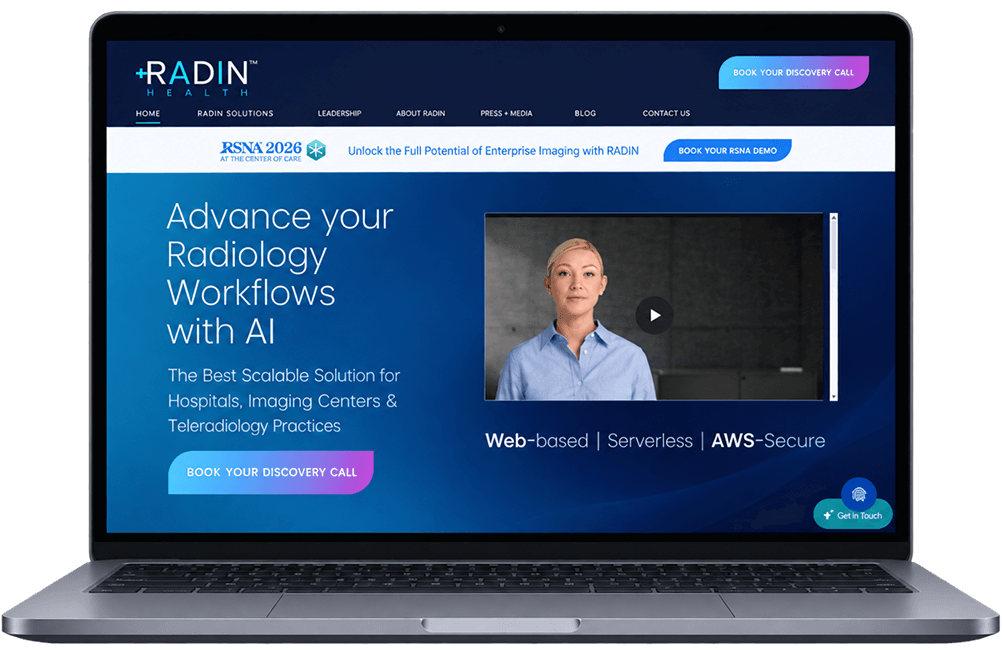
These are examples from our broader portfolio of custom software projects. If you are comparing custom software development companies in the USA, you can review more work on our portfolio and rankings pages — including the Eureka Forbes case study above.


Recognized. Trusted. Preferred
Awards & Recognition
We are proud to be recognized by leading platforms and industry experts for our innovation, impact, and excellence

TopDevelopers
Top Mobile App Developers

Freelancer
Top Mobile App Developers
AppFutura
Top Mobile App Developers
GoodFirms
Top Mobile App Development
Clutch
Top Mobile App Developers

Excellence isn't claimed.It's recognized
These achievements reflect our commitment to
delivering world-class AI solutions that help
businesses grow and lead
These achievements reflect our commitment to
delivering world-class AI solutions that help
businesses grow and lead

Frequently Asked Questions About Custom Software Development
Supporting Insights

We Build Digital Products
That Drive Real Growth

From idea to launch, we help startups and enterprises build scalable apps, AI solutions & custom software.
Trusted byGlobal Clients
150+Projects Delivered
OngoingSupport

UAE

USA

INDIA