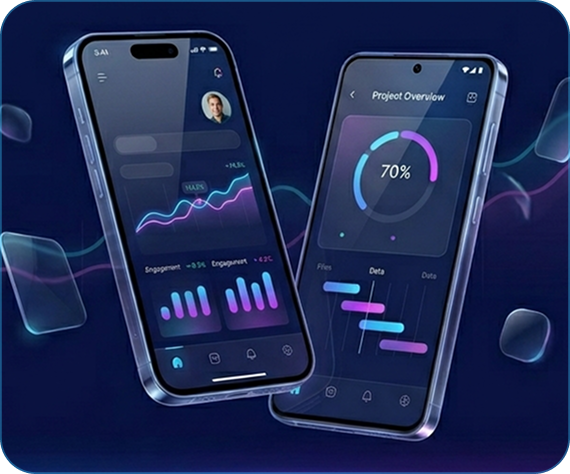
iOS & Android Apps

Apps engineered for scale — not just launch. SpaceToTech builds scalable iOS, Android, Flutter, and AI-powered mobile applications for startups, enterprises, and funded businesses worldwide.
150+ Projects
DELIVERED
5+ Years
EXPERIENCE
50+ Experts
IN-HOUSE
90% Repeat
CLIENTS
iOS & Android Apps
AI-Powered Analytics
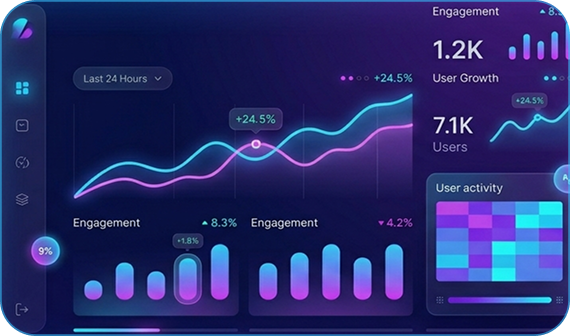
REVENUE GROWTH
+187%

Global Client Delivery










SpaceToTech is an India-headquartered mobile app development company USA businesses have come to rely on for iOS and Android apps that are engineered properly the first time. We're not a vendor you hand a spec sheet to and wait.
The numbers that actually mean something: 150+ projects shipped, 5+ years in operation, clients across the USA, UK, UAE, and Australia. Mobile app development company USA searches return a hundred options.
150+
Projects Delivered
5+
Years Experience
USA UK UAE AUS
Client across the globe
Global app revenue is nearing $935 billion, driving massive demand for scalable mobile apps. Businesses are choosing offshore development to cut costs while maintaining high engineering quality.
$935B
Projected global app revenue by 2025. The window for entry is narrowing as dominant players scale.
$25–75
Hourly rate for India-based engineering vs $100–200 in the USA. We leverage both worlds.
74%
ANDROID
26%
IOS
Global market split. Strategy must account for platform-specific user behaviors.

Why Custom Apps Matter
Every month you delay, a competitor ships. Template applications create limitations — scalability problems, generic UX, and vendor lock-in.
Our "Bridge Company" model eliminates the friction of traditional outsourcing. We combine US-based strategic consulting and project management with high-performance engineering from India.
Onshore legal compliance, strategic roadmap planning, and real-time communication in your timezone.
Access to India's top 1% technical talent pool with deep expertise in API integration and cloud architecture.


We create custom mobile applications that enhance user engagement and accelerate digital growth.
Our Services
Below is a straight look at what we build — with the technical specifics that actually matter, not marketing language.

SwiftUI • visionOS
We default to Swift and SwiftUI for all new iOS builds. UIKit still works, but SwiftUI is the only path to Apple Watch and visionOS support — and its declarative syntax consistently produces fewer UI bugs in our QA phase. We've submitted hundreds of apps to the App Store, which means we pre-check against Apple's known rejection triggers before a single upload (roughly 40% of first submissions fail, usually not from crashes but from metadata issues or missing privacy manifest entries).

Kotlin • Jetpack Compose
Kotlin is what we use, not Java. We build our user interface with Jetpack Compose. This makes things simpler because we do not have to deal with a lot of XML layout issues that used to slow down Android development. We test on devices because Android works differently on various devices. We have over 200 different device setups in our lab.

Flutter • React Native
React Native and Flutter are genuine tools, not shortcuts — but they're not always the right answer. React Native's JavaScript bridge adds measurable latency for gesture-heavy or hardware-intensive interactions. This is why camera apps, AR experiences, and competitive games usually still need native builds. For the other 80% of business apps — dashboards, marketplaces, e-commerce, enterprise tools — cross-platform mobile apps deliver native-quality results at 60–70% of the dual-native cost. We'll tell you honestly which category your app falls into.

Bespoke • Full IP Ownership
Fully bespoke. Custom mobile app development at SpaceToTech starts with a discovery sprint — no templates, no recycled code, no vendor lock-in. You own the IP and source code from the moment we write it.

SSO • Offline-first
Multi-role apps with SSO integration (SAML, OAuth2), offline-first architecture for field workers in low-connectivity environments, MDM compatibility, and the compliance documentation enterprise procurement teams actually require. Enterprise mobile app development is a different discipline than consumer app development — scope, governance, and security architecture are all different animals.
Lean Scope • 8–12 Week Launch
Lean scope, 8–12 week launch, 2–4 core features. Architecture designed to scale so you're not paying for a rebuild when you hit traction. Honest caveat: a $15,000 MVP gets you to market — it does not get you to 100,000 users. We'll scope the difference upfront.

Stripe • Braintree • ASO
Payment gateway integrations (Stripe, Braintree), product catalog performance under load, cart abandonment push flows, App Store and Play Store optimization. N+1 query problems destroy checkout conversion at scale — that's the kind of thing we architect around from day one.

HIPAA-Compliant Systems
We build our system with HIPAA-compliant architecture right from the start. This means we use data-at-rest encryption to keep information safe. We also keep track of every time someone looks at a patient's health information so we have a record of it. We make sure to have business associate agreements with every company that handles patient data.
PCI-DSS • Biometrics
We make sure our apps are safe and secure with PCI-DSS compliance. This means we use bank-grade encryption to protect user information. Our apps also have real-time fraud detection to catch any activity. We use authentication like Face ID and fingerprint to verify users. We work with open banking API integrations like Plaid, ACH and SWIFT.

Real-Time Tracking
Two-sided marketplace architecture, real-time location tracking with sub-second updates, driver-customer matching logic, surge pricing models, push notification reliability at scale. The operational complexity here is in the backend — not just the UI.
CoreML • OpenAI APIs
When we talk about on-device ML models like CoreML for iOS and ML Kit for Android and API-based AI there is a difference in how long things take. On-device ML models are really fast. They work even when you are not connected to the internet. On the other hand API-based AI is more powerful but it takes longer because it has to go back and forth.
OS Updates • Crash Monitoring
When we launch an app we need to keep an eye on how it works with versions of the operating system. We have to watch out for crashes and see how the app is performing. This is important because if we do not take care of the app it will start to have problems within a year or so as new operating system versions come out.
From regulated healthcare to high-volume fintech — we ship mobile products where reliability, compliance, and scale matter.

Applications help manage consultations and patient records. They also handle real-time interactions while keeping things stable for care teams.
Applications help manage consultations and patient records. They also handle real-time interactions. This is done while keeping things stable and making sure data is handled in a way. This is really important, in places where things have to work all the time. Clear triage and follow-up paths reduce guesswork when schedules are full. Access controls and audit trails support trust without slowing clinicians down.
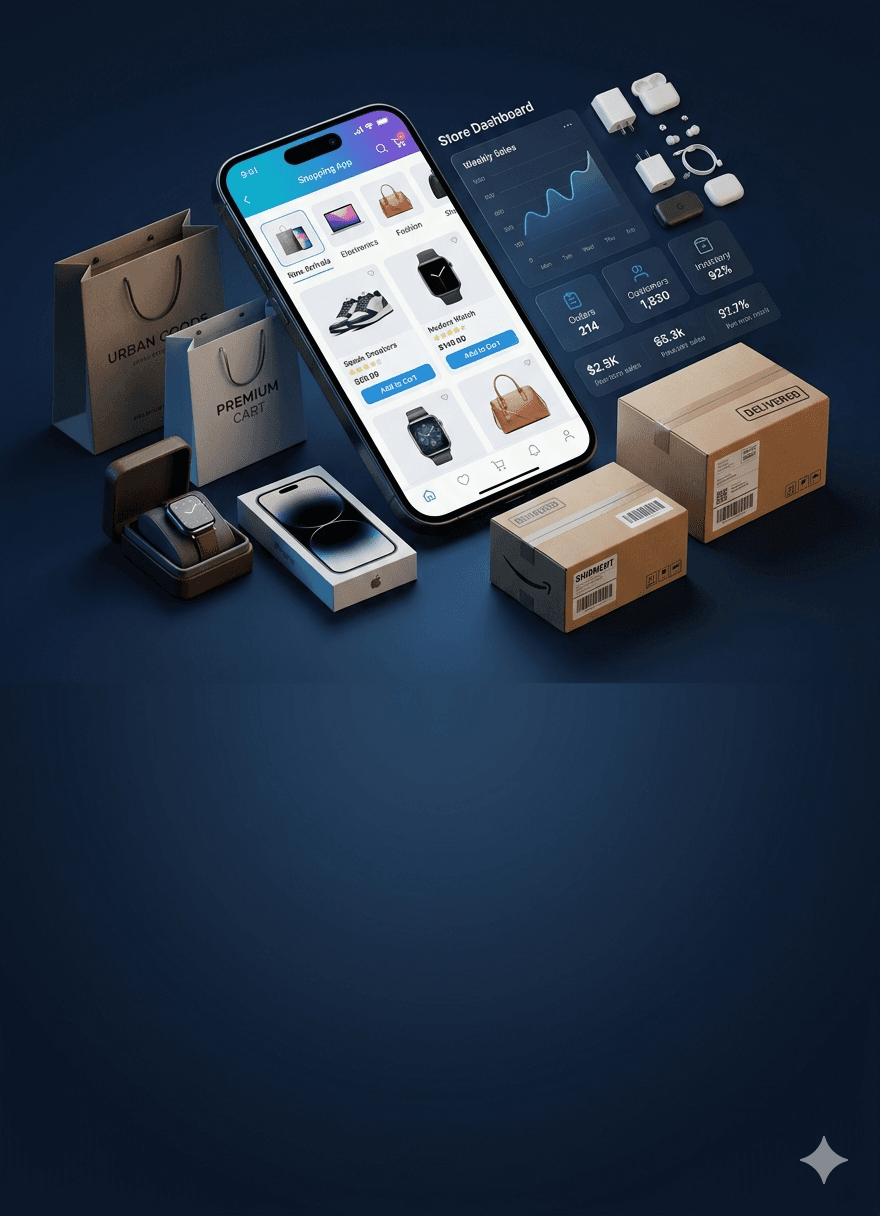
Performance directly impacts conversions. Fast browsing, stable checkout, and traffic spikes handled without slowing down.
Performance directly impacts conversions. The focus stays on fast product browsing, stable checkout flows, and handling traffic spikes without slowing down during high-demand periods. Catalog slices, image lazy-loading, and predictable pagination keep first paint sharp. Cart and payment steps recover gracefully from brief network blips. Inventory and promos stay in sync so shoppers rarely hit dead ends. Search and filters stay responsive on mid-range devices.

Financial applications require precise execution—secure authentication, real-time transactions, and stable integrations.
Financial applications require precise execution. Secure authentication, real-time transactions, and stable integrations are handled in environments where even small delays create larger risks. Step-up checks feel fast, not blocking. Ledger updates and receipts stay consistent across channels. Monitoring catches anomalies early so teams can intervene before balances drift. Third-party rails fail over cleanly instead of leaving users stuck.

Operations depend on visibility—tracking, route updates, and coordination without interruptions.
Operations depend on visibility. Apps handle tracking, route updates, and backend coordination so businesses can monitor movement without interruptions. Drivers get clear manifests and exception flows when a stop slips. Dispatch dashboards reflect live ETAs without hammering the API. Proof-of-delivery and handoff scans close the loop for finance and support. Offline pockets buffer critical reads until signal returns.

Users don't always have stable connections. Platforms handle offline access and consistent delivery across devices.
Users don't always have stable connections. Platforms are designed to handle offline access and consistent content delivery across devices. Lessons, quizzes, and media resume where learners left off. Progress syncs when connectivity returns without duplicate submissions. Classroom and cohort views stay legible on small screens. Release cadence favors stability so exam week is never a surprise deploy.

Growth can be unpredictable. Applications manage real-time updates and scaling without performance drops.
Growth can be unpredictable. Applications are built to manage real-time updates and scaling challenges without performance drops. Feeds and notifications batch sensibly under load. Moderation queues stay usable when spikes hit. Media and chat avoid blocking the main thread on modest phones. Feature flags and gradual rollout limit blast radius when experiments ship.
Speed and coordination matter—matching, notifications, and transactions designed to work without delays.
Speed and coordination matter. Matching systems, notifications, and transaction handling are designed to work without delays. Supply and demand signals update without thrashing the client. Push and in-app alerts respect quiet hours yet surface time-sensitive offers. Disputes and payouts follow transparent states both sides can track. Maps and ETAs stay honest when traffic or weather shifts mid-trip.

Search experience defines usability—filters, maps, and listing performance reduce friction in discovery.
Search experience defines usability. Filters, maps, and listing performance are structured to reduce friction in property discovery. Saved searches and alerts feel instant without re-querying everything. Tour scheduling respects agent calendars and time zones. Document rooms keep versions tidy for buyers, sellers, and counsel. Performance budgets stop galleries from freezing mid-scroll.

Ordering flows must remain fast and reliable. Every step—from browsing to checkout—is optimized to reduce drop-offs.
Ordering flows must remain fast and reliable. Every step—from browsing to checkout—is optimized to reduce drop-offs. Reservations and kitchen pacing stay aligned when dine-in, pick-up, and delivery peak together. KDS and courier handoffs match promised prep times. Payments, tips, and retries stay calm so one hiccup does not abandon the basket. Loyalty and menu updates stay quick on everyday staff devices.
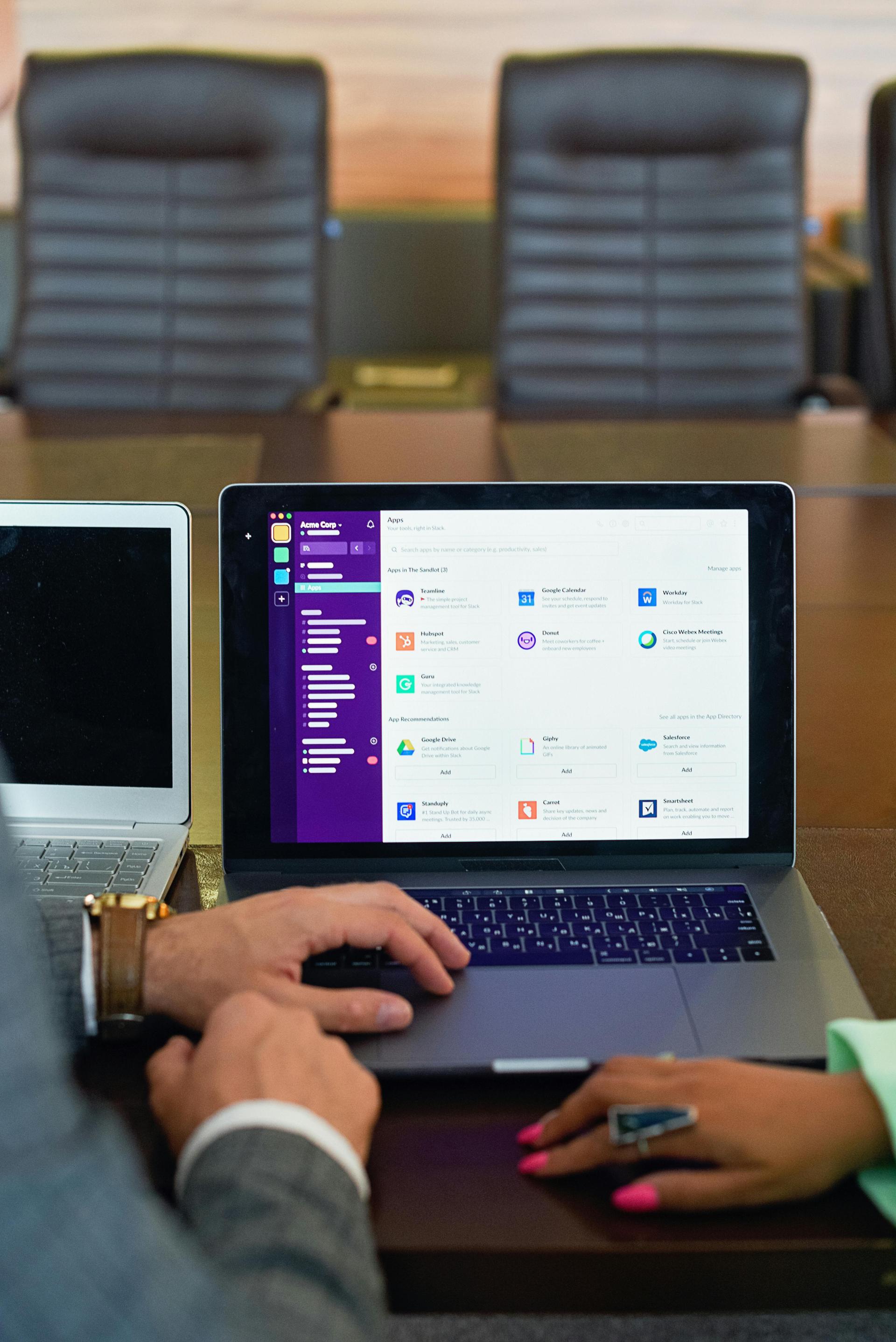
Applications support internal operations—multi-user dashboards and integrations built for consistent performance.
Applications support internal operations. Multi-user environments, dashboards, and integrations are structured for consistent performance. Role-aware navigation keeps noise low for each persona. Heavy charts stream aggregates instead of shipping giant payloads. Webhooks and imports retry with backoff so nightly jobs finish cleanly. Observability ties UI latency to backend queues for faster triage.
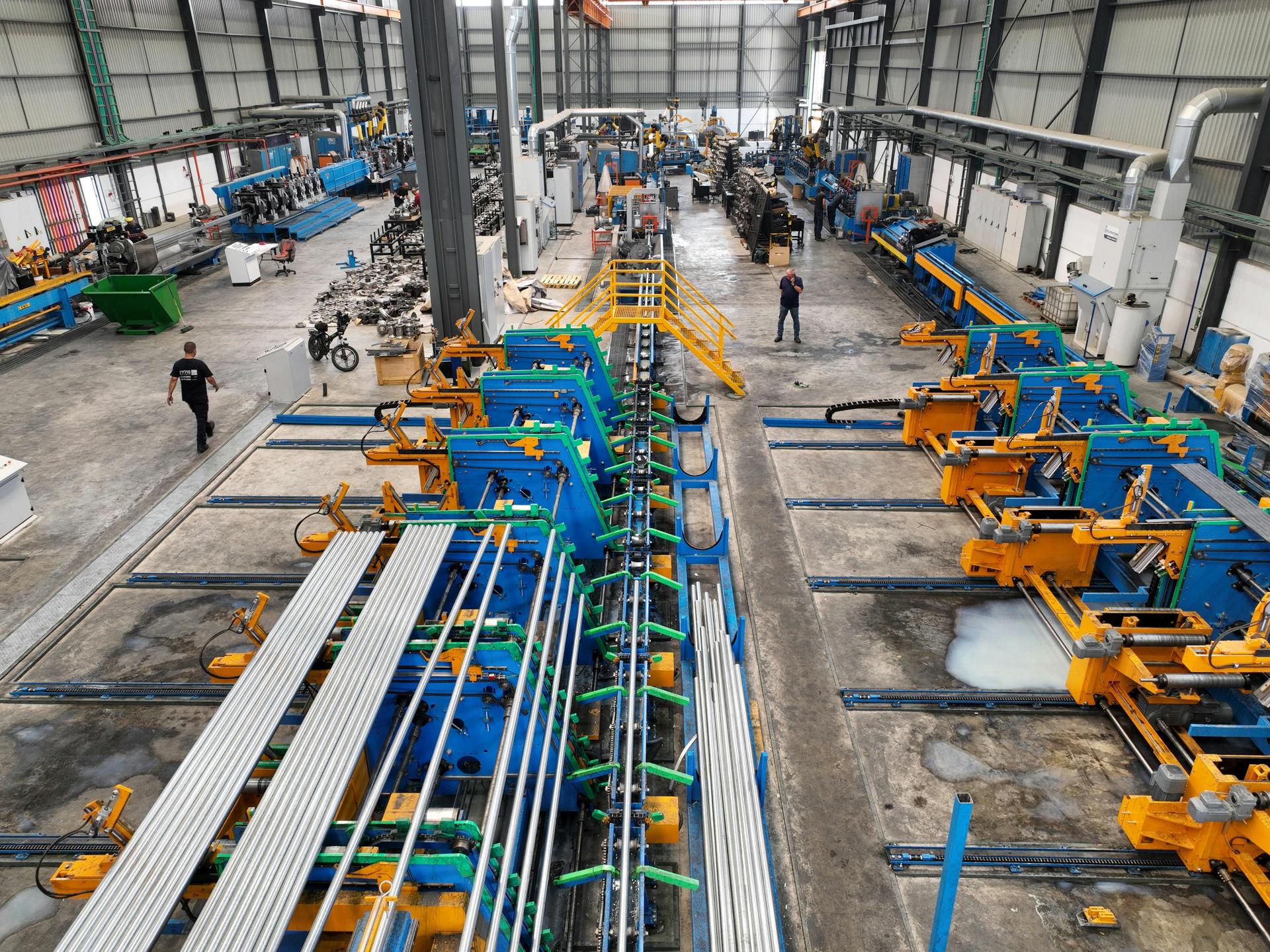
Legacy systems are common. Apps integrate without replacing existing infrastructure entirely.
Legacy systems are common. Apps are designed to integrate without replacing existing infrastructure entirely. Read-only mirrors and scoped writes reduce risk to PLCs and historians. Floor tablets tolerate gloves, dust, and intermittent Wi-Fi. Shift handovers capture notes and counts without duplicate entry. Change windows and staged rollouts avoid surprises during production peaks.

Users expect instant results—booking flows and real-time updates without delays or inconsistencies.
Users expect instant results. Booking flows and real-time updates are handled without delays or inconsistencies. Fare and room rules evaluate quickly before checkout. Itinerary changes propagate to wallets and notifications in one pass. Partner feeds degrade gracefully when an upstream API slows. Currency and locale stay coherent across search, pay, and post-trip support.
Applications help manage consultations and patient records. They also handle real-time interactions while keeping things stable for care teams.
Applications help manage consultations and patient records. They also handle real-time interactions. This is done while keeping things stable and making sure data is handled in a way. This is really important, in places where things have to work all the time. Clear triage and follow-up paths reduce guesswork when schedules are full. Access controls and audit trails support trust without slowing clinicians down.
Performance directly impacts conversions. Fast browsing, stable checkout, and traffic spikes handled without slowing down.
Performance directly impacts conversions. The focus stays on fast product browsing, stable checkout flows, and handling traffic spikes without slowing down during high-demand periods. Catalog slices, image lazy-loading, and predictable pagination keep first paint sharp. Cart and payment steps recover gracefully from brief network blips. Inventory and promos stay in sync so shoppers rarely hit dead ends. Search and filters stay responsive on mid-range devices.
Financial applications require precise execution—secure authentication, real-time transactions, and stable integrations.
Financial applications require precise execution. Secure authentication, real-time transactions, and stable integrations are handled in environments where even small delays create larger risks. Step-up checks feel fast, not blocking. Ledger updates and receipts stay consistent across channels. Monitoring catches anomalies early so teams can intervene before balances drift. Third-party rails fail over cleanly instead of leaving users stuck.
Operations depend on visibility—tracking, route updates, and coordination without interruptions.
Operations depend on visibility. Apps handle tracking, route updates, and backend coordination so businesses can monitor movement without interruptions. Drivers get clear manifests and exception flows when a stop slips. Dispatch dashboards reflect live ETAs without hammering the API. Proof-of-delivery and handoff scans close the loop for finance and support. Offline pockets buffer critical reads until signal returns.
Users don't always have stable connections. Platforms handle offline access and consistent delivery across devices.
Users don't always have stable connections. Platforms are designed to handle offline access and consistent content delivery across devices. Lessons, quizzes, and media resume where learners left off. Progress syncs when connectivity returns without duplicate submissions. Classroom and cohort views stay legible on small screens. Release cadence favors stability so exam week is never a surprise deploy.
Growth can be unpredictable. Applications manage real-time updates and scaling without performance drops.
Growth can be unpredictable. Applications are built to manage real-time updates and scaling challenges without performance drops. Feeds and notifications batch sensibly under load. Moderation queues stay usable when spikes hit. Media and chat avoid blocking the main thread on modest phones. Feature flags and gradual rollout limit blast radius when experiments ship.
Speed and coordination matter—matching, notifications, and transactions designed to work without delays.
Speed and coordination matter. Matching systems, notifications, and transaction handling are designed to work without delays. Supply and demand signals update without thrashing the client. Push and in-app alerts respect quiet hours yet surface time-sensitive offers. Disputes and payouts follow transparent states both sides can track. Maps and ETAs stay honest when traffic or weather shifts mid-trip.
Search experience defines usability—filters, maps, and listing performance reduce friction in discovery.
Search experience defines usability. Filters, maps, and listing performance are structured to reduce friction in property discovery. Saved searches and alerts feel instant without re-querying everything. Tour scheduling respects agent calendars and time zones. Document rooms keep versions tidy for buyers, sellers, and counsel. Performance budgets stop galleries from freezing mid-scroll.
Ordering flows must remain fast and reliable. Every step—from browsing to checkout—is optimized to reduce drop-offs.
Ordering flows must remain fast and reliable. Every step—from browsing to checkout—is optimized to reduce drop-offs. Reservations and kitchen pacing stay aligned when dine-in, pick-up, and delivery peak together. KDS and courier handoffs match promised prep times. Payments, tips, and retries stay calm so one hiccup does not abandon the basket. Loyalty and menu updates stay quick on everyday staff devices.
Applications support internal operations—multi-user dashboards and integrations built for consistent performance.
Applications support internal operations. Multi-user environments, dashboards, and integrations are structured for consistent performance. Role-aware navigation keeps noise low for each persona. Heavy charts stream aggregates instead of shipping giant payloads. Webhooks and imports retry with backoff so nightly jobs finish cleanly. Observability ties UI latency to backend queues for faster triage.
Legacy systems are common. Apps integrate without replacing existing infrastructure entirely.
Legacy systems are common. Apps are designed to integrate without replacing existing infrastructure entirely. Read-only mirrors and scoped writes reduce risk to PLCs and historians. Floor tablets tolerate gloves, dust, and intermittent Wi-Fi. Shift handovers capture notes and counts without duplicate entry. Change windows and staged rollouts avoid surprises during production peaks.
Users expect instant results—booking flows and real-time updates without delays or inconsistencies.
Users expect instant results. Booking flows and real-time updates are handled without delays or inconsistencies. Fare and room rules evaluate quickly before checkout. Itinerary changes propagate to wallets and notifications in one pass. Partner feeds degrade gracefully when an upstream API slows. Currency and locale stay coherent across search, pay, and post-trip support.
Development Process
Business analysis, stakeholder interviews, competitor app audit, scope definition. Duration: 1–2 weeks. Deliverable: Product Requirements…
User journey mapping, wireframes, clickable Figma prototypes, and user testing — before a single line of code is written. We build design…
Two-week sprint cycles. Working software demo after every sprint — not a status update, not a slide deck. Direct Slack access to developers.…
Automated regression catches regressions — manual testing catches what scripts don't look for. Real-device Android testing finds the…
Apple rejects roughly 40% of first submissions. SpaceToTech handles both App Store and Google Play submission. We pre-check against…
Launch isn't the finish line. App maintenance at SpaceToTech is SLA-backed — OS compatibility monitoring, crash reporting, and performance…

Powerful mobile apps for business growth.
Technology Stack
 Swift
Swift Kotlin
 Flutter
 React Native
 Node.js
 FastAPI
 Laravel
 Spring Boot
 AWS
AWS Azure
Azure DockerKubernetes
 OpenAITensorFlowPyTorch
 LangChain
App Type
Startup MVP
Budget Range
$25,000 - $50,000
Timeline
12-16 Weeks
Best For
Seed-stage funding
App Type
Mid-Range Consumer
Budget Range
$50,000 - $120,000
Timeline
16-24 Weeks
Best For
Growing businesses
App Type
Enterprise Solution
Budget Range
$150,000+
Timeline
6+ Months
Best For
Scale operations
Costs are primarily driven by technical complexity (AI/ML models, real-time data), third-party API licensing, regulatory compliance (HIPAA/PCI), and the depth of UX custom animations.
Scope and cost locked upfront. Changes via change order — protects both sides.
The best model depends on your project complexity, scalability requirements, and long-term goals.
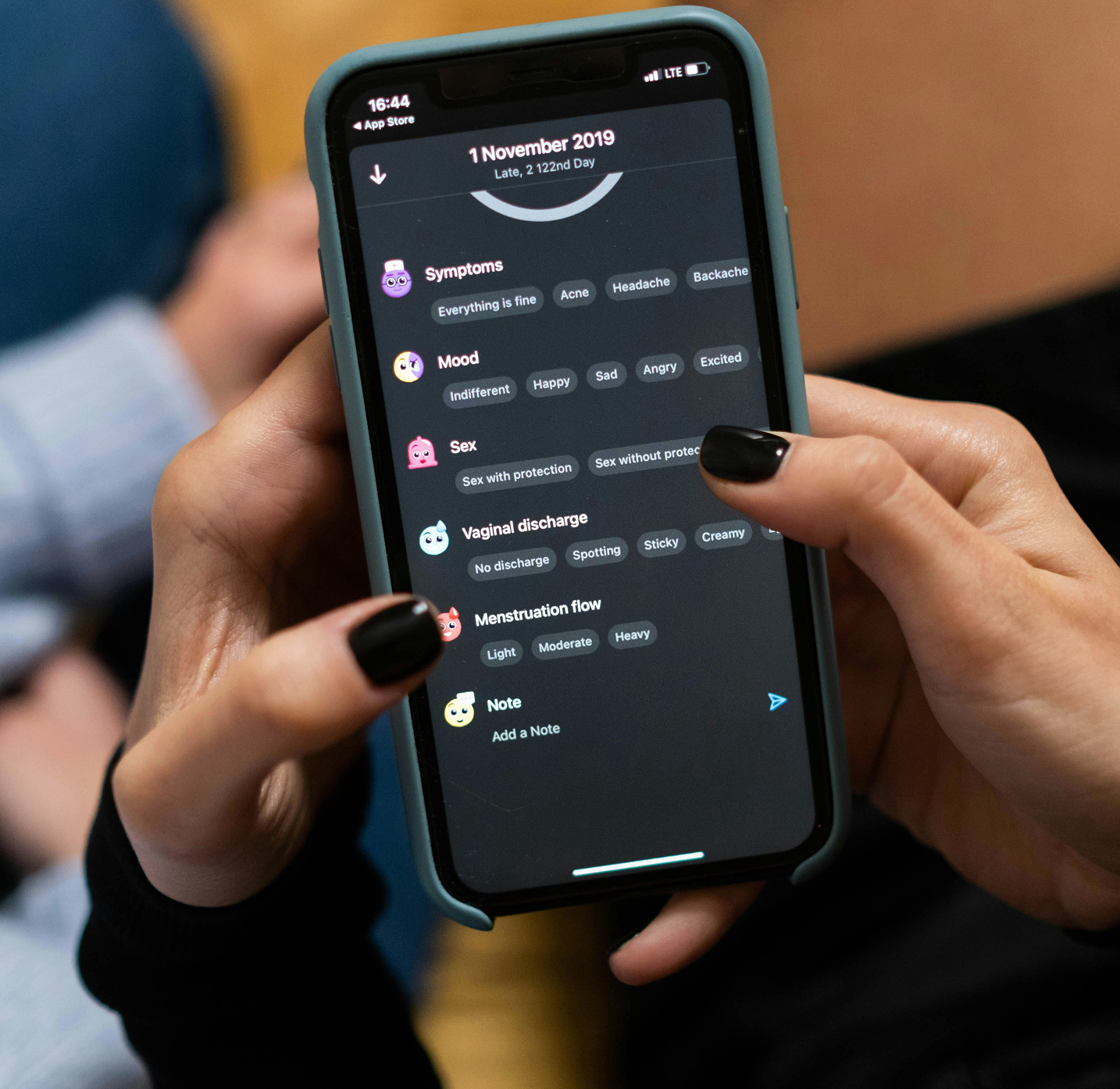
HIPAA-compliant platform connecting 500+ clinics across the United Kingdom.
View Portfolio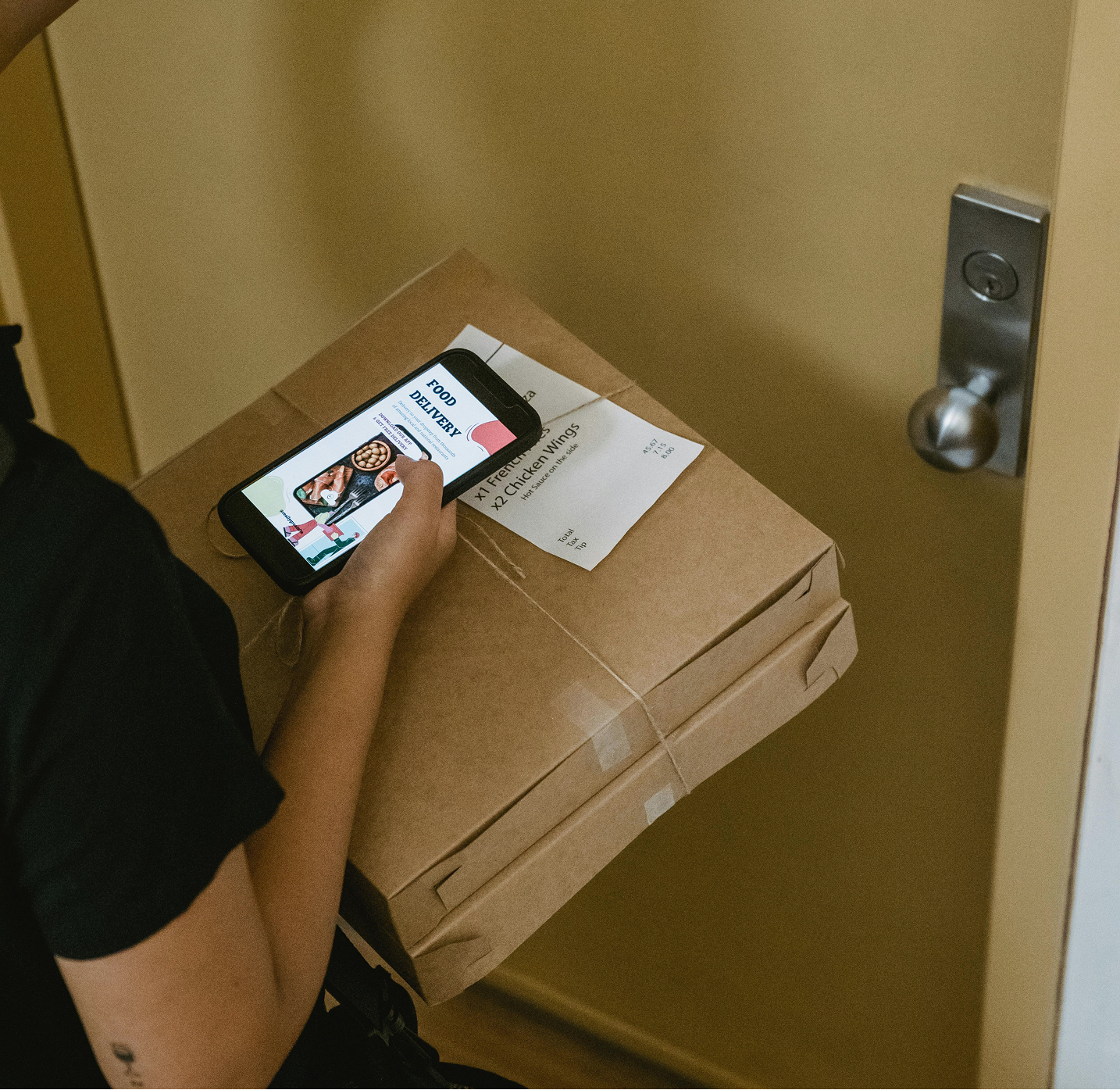
AI-driven route optimization for a major regional delivery network.
View Portfolio
Scalable wealth management platform serving thousands of active daily users.
View Portfolio
Live App Store links and specific outcomes versus mockup screenshots. If the portfolio doesn't link to something real, that's information.
NDA before the conversation. Explicit IP transfer in the contract. Non-negotiable for US buyers working with app developers in India or any offshore partner.
Weekly working demos. Direct developer access. Sprint reprioritization without a three-day formal process. 'We're agile' is not an answer.
HIPAA, PCI-DSS, offline-first logistics, enterprise RBAC — different disciplines. Ask for architectural examples, not 'domain experience.'
SLA-backed maintenance, OS update commitments, crash monitoring. Get it in writing.
Hidden costs arrive as change orders for features a proper discovery sprint would have scoped from the start.


Recognized. Trusted. Preferred
We are proud to be recognized by leading platforms and industry experts for our innovation, impact, and excellence

Top Mobile App Developers

Top Mobile App Developers

Top Mobile App Developers

Top Mobile App Development

Top Mobile App Developers
Excellence isn't claimed.It's recognized
These achievements reflect our commitment to
delivering world-class AI solutions that help
businesses grow and lead
These achievements reflect our commitment to
delivering world-class AI solutions that help
businesses grow and lead
So how does it work?
Check for yourself by their feedback.
From idea to launch, we help startups and enterprises build scalable apps, AI solutions & custom software.
150+Projects Delivered

UAE

USA

INDIA