5+
Years
Cross-platform and connected device development across industrial, healthcare, logistics, and consumer IoT systems.
At Space To Tech, our custom IoT development services connect sensors, gateways, protocols, dashboards, and cloud infrastructure into systems that work outside presentation decks and controlled demos. Some clients come to us with half-built IoT environments that stopped scaling after the pilot stage. Others already have devices deployed but no reliable data flow.
Real-Time Operational Visibility
Scalable IoT Ecosystems
Reliable Sensor-to-Cloud Integration
Reduced production risks
Cloud Integrated Systems
Connected Data Ecosystems









5+
Years
Cross-platform and connected device development across industrial, healthcare, logistics, and consumer IoT systems.
150+
Projects
IoT and IIoT deployments delivered, including cloud-connected platforms currently operating in production environments.
50+
Experts
In-house engineers across embedded firmware, MQTT integration, AWS IoT, Azure IoT Hub, dashboards, and mobile applications.
10+
Countries
Connected device solutions delivered across the US, UK, UAE, Australia, India, and other global markets.

Connect devices, automate workflows, and unlock real-time insights with custom IoT solutions engineered for production—not demos.
IoT development services cover the entire lifecycle of a connected system — firmware, device communication, cloud infrastructure, data pipelines, dashboards, mobile applications, analytics, and deployment support.
That applies to both consumer IoT products and industrial IoT systems where uptime and reliability matter more than visual polish.
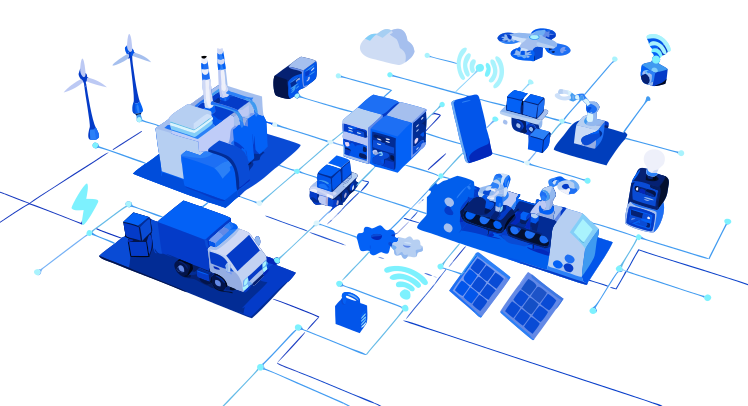

DEVICE LAYER
Embedded systems written in C or C++ communicate with sensors, manage memory constraints, and control how devices behave in real environments.

CONNECTIVITY LAYER
Because protocol selection changes everything later. Selecting the right communication standard is critical for reliability and range.

CLOUD INFRASTRUCTURE LAYER
All solve device management differently. Some projects prioritise telemetry throughput. Others need OTA update pipelines or strict access control. There's rarely a universal answer.
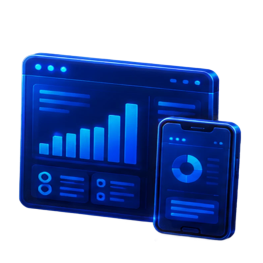
APPLICATION LAYER
Dashboards, mobile apps, alert systems, reporting interfaces, and analytics panels. That's the part users interact with daily.

That combination — firmware, connectivity, cloud infrastructure, and application delivery — is what separates an experienced IoT team from a general software vendor that recently added IoT to its services page.
A surprising number of IoT projects fail before development even starts—because architecture decisions happen too late. We map protocols, device constraints, cloud topology, and OTA needs before code locks you into expensive rework.
Dashboards and mobile apps are how operators interpret sensor data fast. We build role-aware web and mobile experiences with live telemetry, alerts, and clear workflows—not decorative charts disconnected from the device layer.
The software layer connects devices, users, APIs, and cloud infrastructure. That includes device management, authentication, MQTT-based messaging, data pipelines, and the services that keep fleets provisioned and observable.
Factories, logistics networks, energy systems, and agriculture operations need uptime-first IoT. We design for harsh environments, high telemetry volume, OT-aware security, and integrations to the systems operations already run.
An IoT platform is the operational backbone—provisioning, authentication, message routing, OTA updates, analytics, and permissions. We build platforms that scale with device count instead of collapsing after the pilot.
Security conversations in IoT often happen too late. We design device identity, encrypted transport, least-privilege cloud access, and hardened update channels early—before sensitive data rides insecure paths.
Testing IoT systems differs from standard apps because hardware is part of the QA environment. We simulate dropouts, unstable networks, battery edges, and fleet-scale messaging before devices reach the field.
Critical decisions often cannot wait for the cloud. We implement edge filtering, local rules, and post-launch maintenance—monitoring, OTA support, and iteration as fleets grow and requirements shift.
The smart thermostat and the vibration sensor on a factory motor are both IoT devices. The moment you start building one instead of the other, they stop being similar.
Space To Tech, a leading IoT development company, uses a modern and scalable technology stack to build secure, connected, and high-performance IoT solutions for businesses worldwide.
 AWS
AWS Microsoft Azure
 Google Cloud
Device management, message routing, authentication, OTA update delivery
Platform choice is a technical decision based on existing infrastructure, data residency requirements, device count, and long-term cost — not on platform familiarity. AWS IoT Core with AWS Greengrass handles edge computing in industrial environments. Azure IoT Hub integrates naturally with Azure-first enterprise infrastructure. Google Cloud IoT connects to BigQuery for analytics-heavy consumer deployments.

Robust mobile ordering with live tracking, loyalty rewards, and seamless payment integration.
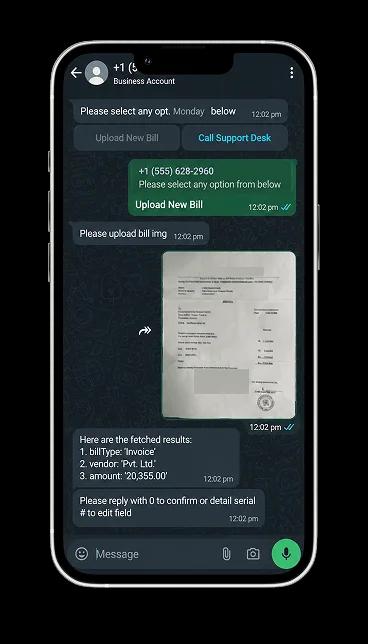

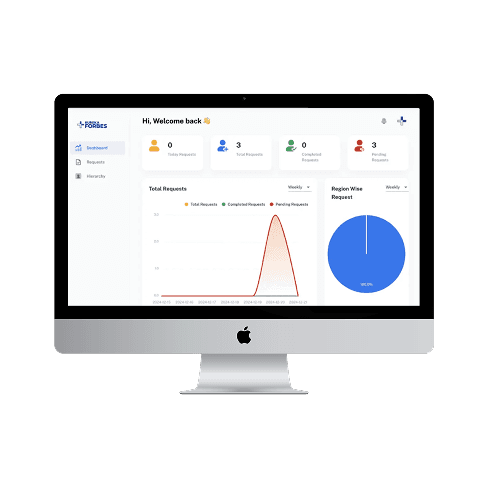
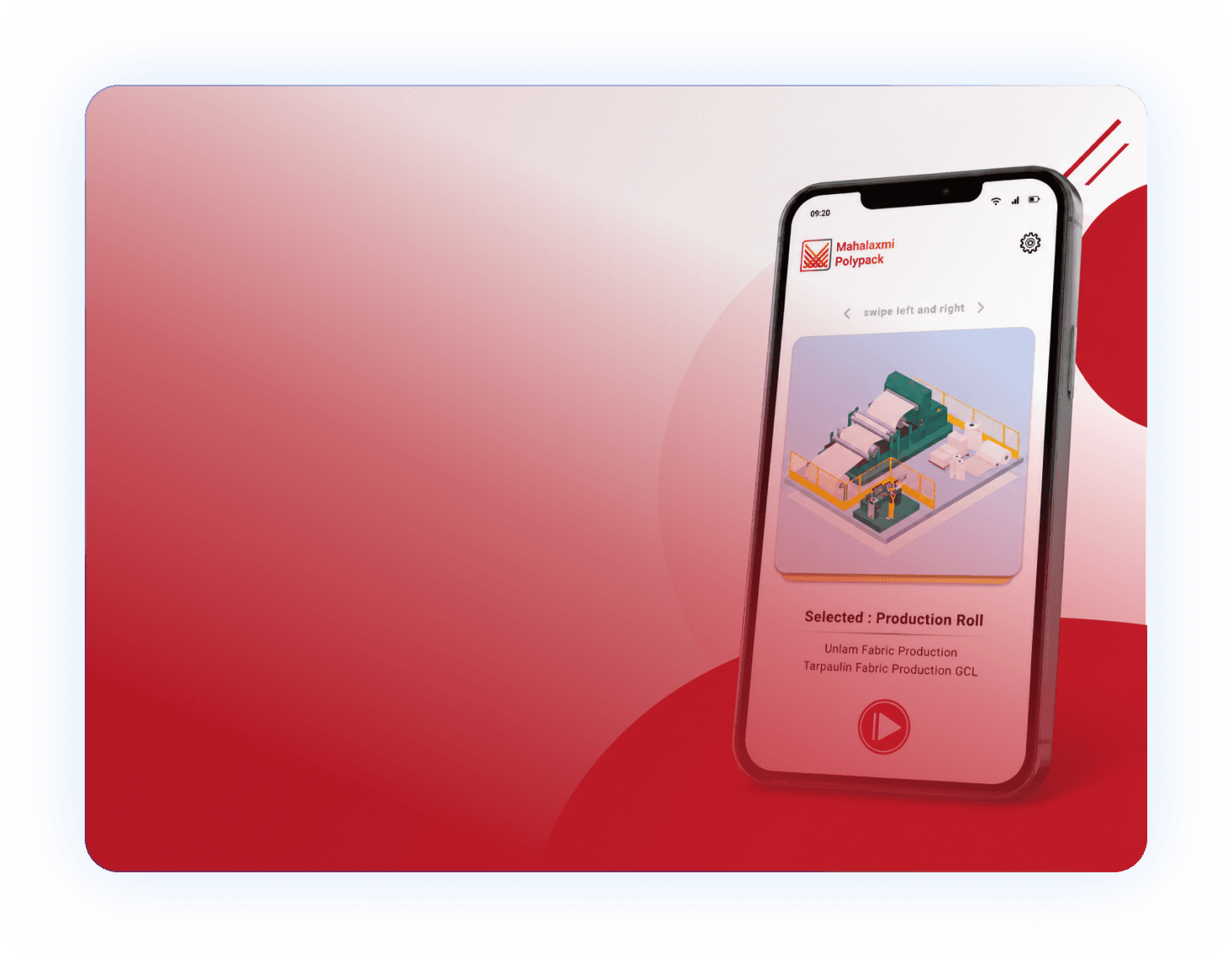
Smart digital factory management with real-time production visibility.

Building a kinder future through compassion, service, and collective action.

Digital product experience for a leading brand, designed to strengthen discovery and customer trust.

Robust mobile ordering with live tracking, loyalty rewards, and seamless payment integration.
Smart digital factory management with real-time production visibility.
Building a kinder future through compassion, service, and collective action.
Digital product experience for a leading brand, designed to strengthen discovery and customer trust.

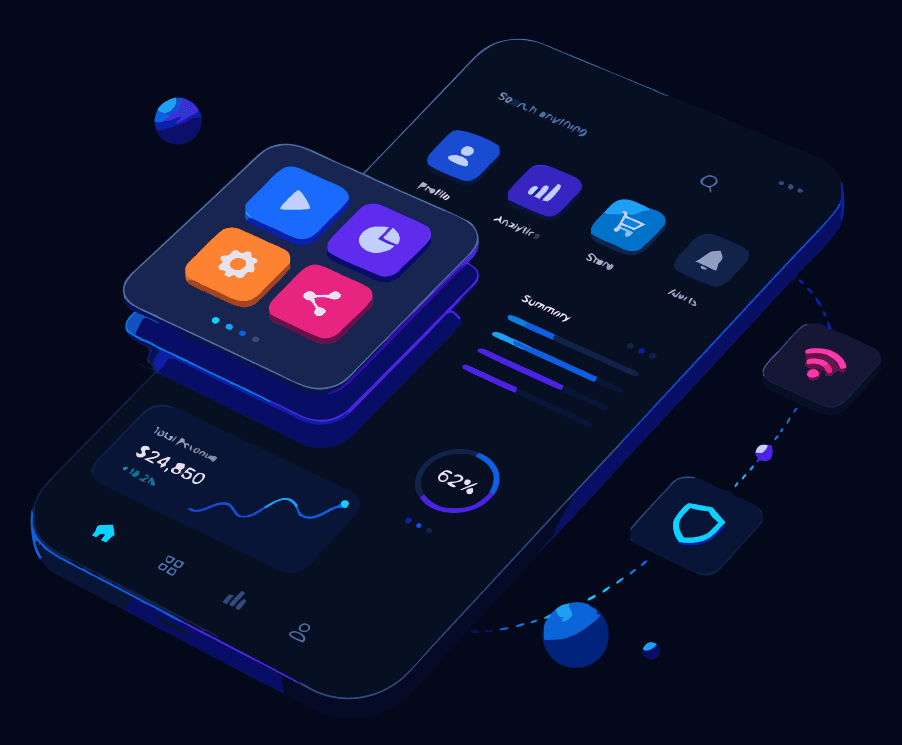
Scalable IoT development services for global businesses focused on connectivity, automation, and real-time operational intelligence.

Space To Tech builds IoT systems from India with engineers who work across firmware, MQTT, cloud ingestion, and production dashboards—not dashboard-only prototypes. The advantage is repetition. Manufacturing, logistics, energy, and healthcare patterns for device provisioning, OTA, and telemetry storage become familiar, so architecture decisions land faster and field surprises shrink. For teams evaluating IoT development services in India, that usually means steadier delivery and platforms that survive real device counts.
IoT pricing is driven by device complexity, protocol choices, cloud architecture, and how many applications sit on the data—not by a generic hourly rate alone. These India-based ranges reflect production builds we scope regularly.
Cost moves with firmware depth, sensor count, protocol mix (MQTT, LoRaWAN, BLE, cellular), edge processing, cloud provider choice, compliance needs, and how many mobile or web surfaces you need. Wrong protocol or missing OTA paths are expensive after devices ship—architecture decisions early usually save more than shaving week-one rates.
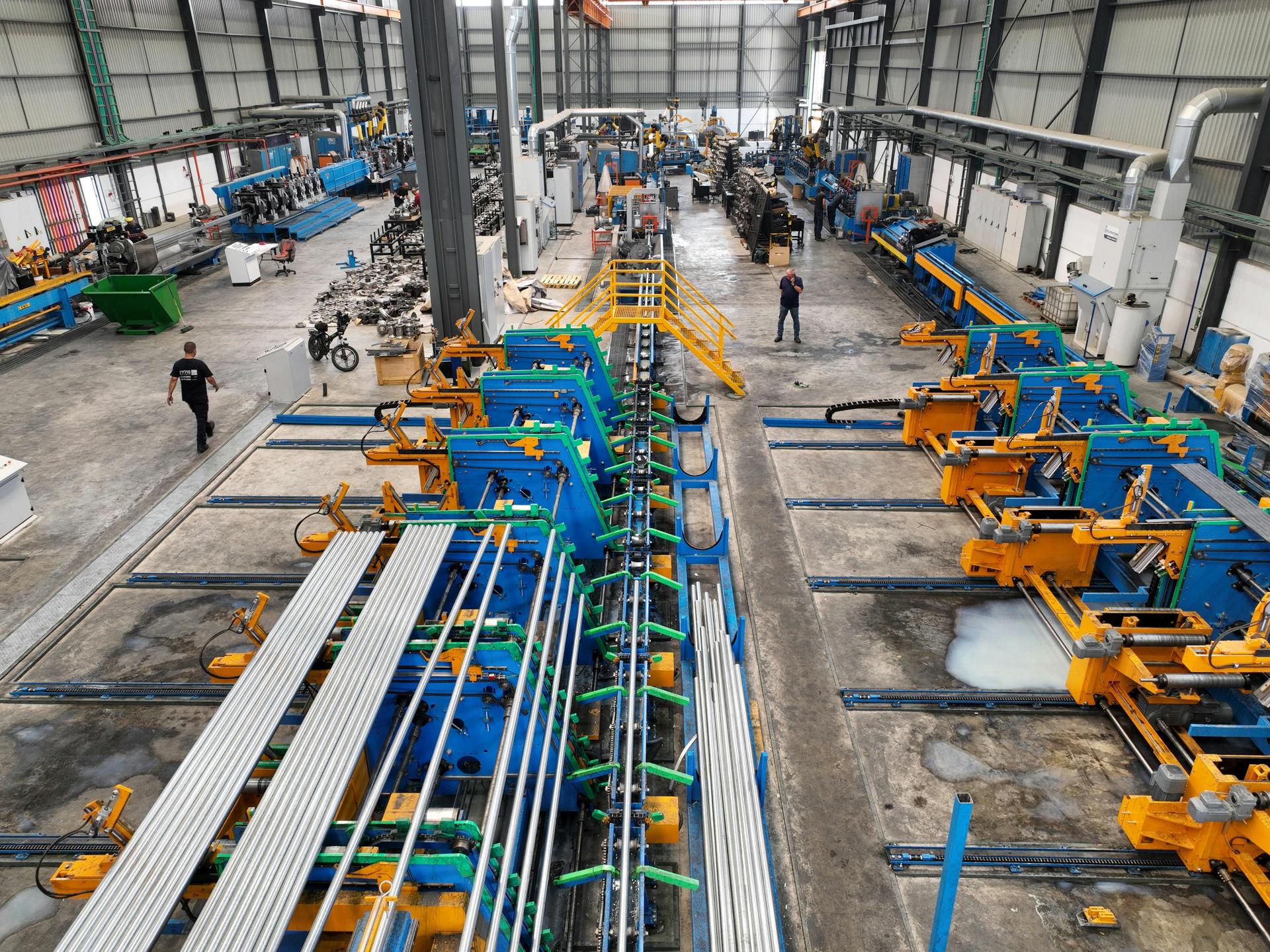
Predictive maintenance, machine OEE monitoring, and OTA for distributed equipment on the shop floor.
Manufacturing IoT connects PLCs, vibration and temperature sensors, and gateways into cloud pipelines operators can trust on noisy shop floors. We design for intermittent connectivity, OTA that does not halt production, and dashboards that surface exceptions instead of drowning teams in raw streams. Integrations to MES and CMMS keep alerts actionable. Edge filtering reduces cloud cost when sample rates spike. Security assumes OT segmentation from day one.

Fleet GPS, cold-chain temperature monitoring, warehouse RFID, and geofencing for route deviation.
Logistics IoT pairs GPS, BLE, and cellular gateways with event-driven messaging so ETAs and condition alerts stay current across carriers. Device shadows reconcile offline periods without inventing false locations. Geofence and temperature rules trigger before cargo is compromised. Dashboards reconcile multi-party handoffs with one operational truth. Scale testing matters—ten trackers behave differently from ten thousand.

Remote patient monitoring, IoMT pipelines, and medical equipment tracking with HIPAA-aware design.
Healthcare IoT spans wearables, remote patient monitoring, and facility sensors where reliability and access control are non-negotiable. We design encrypted transport, scoped cloud roles, and audit-friendly logs so clinical teams get alerts without exposing unnecessary PHI. Mobile and clinician dashboards stay clear under intermittent connectivity. Integration paths to scheduling or EHR read surfaces stay bounded. Validation includes dropout and battery-edge cases, not only happy paths.
Soil moisture, livestock tags, weather networks, and greenhouse climate control for field decisions.
Agri IoT leans on low-power wide-area links, ruggedised nodes, and sparse but critical telemetry. We size gateways and cloud ingestion for bursty seasonal traffic, not always-on urban Wi-Fi assumptions. Irrigation and equipment alerts stay actionable for field teams on mobile. Edge rules cut noise before it becomes cloud cost. OTA paths account for devices that check in infrequently.

HVAC optimisation, energy dashboards, access control, and indoor air quality monitoring.
Smart-building IoT connects sensors and controllers across floors with protocols that fit retrofit reality—not only greenfield wiring. We build device registries, role-based dashboards, and automation rules that reduce energy waste without locking operators out of overrides. Integrations to BMS and access systems stay explicit. Security assumes shared networks and contractor access. Rollouts stage floor-by-floor so tenants are not disrupted.

Smart meters, grid fault detection, solar monitoring, and remote substation management.
Energy IoT prioritises secure telemetry, ordered event processing, and clear escalation when assets drift from thresholds. Cloud and edge designs favour durability over flashy UI. Historian-style storage and alerting support operations that run around the clock. Access control mirrors utility operating models. Field update strategies avoid risky simultaneous fleet flashes.
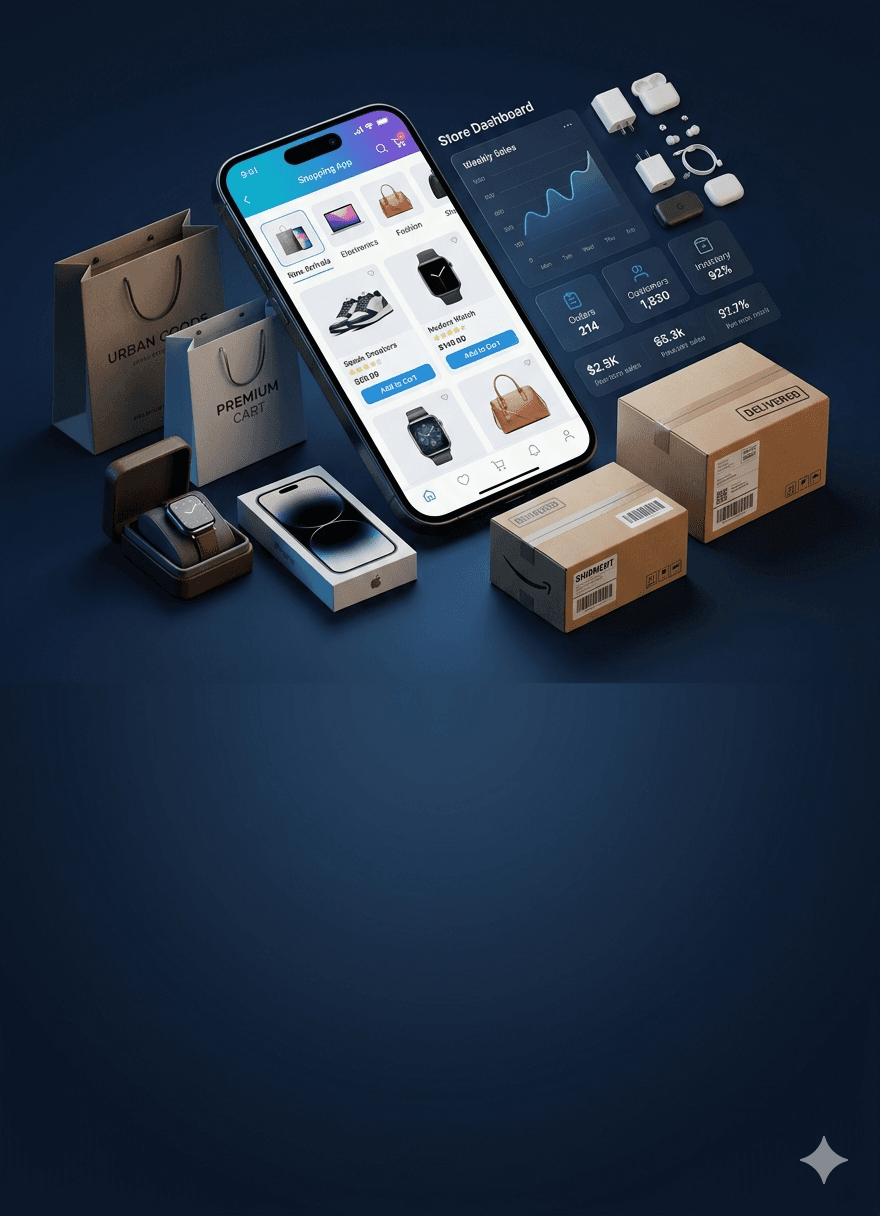
Smart shelves, footfall analytics, cold chain in food retail, and connected store operations.
Retail IoT connects in-store sensors and gateways to inventory and operations systems with event-driven updates. We keep privacy and camera policies explicit where people analytics are involved. Dashboards highlight exceptions—empty shelves, cold-case failures—not vanity charts. Offline store modes queue events until connectivity returns. Rollouts respect multi-site fleets with staged OTA.
Vehicle telematics, EV charging networks, OBD-II predictive maintenance, and driver safety monitoring.
Automotive and fleet IoT streams location, diagnostics, and usage events into platforms that must stay reliable at scale. We design for intermittent coverage, signed updates, and clear separation between driver-facing apps and operations consoles. Data retention and consent rules are part of architecture. Integrations feed dispatch and maintenance systems. Stress tests simulate bursty reconnect storms after coverage gaps.
Site safety wearables, equipment utilisation, structural health monitoring, and post-handover smart buildings.
Construction IoT tracks assets and site conditions where Wi-Fi is unreliable and devices take abuse. Rugged gateways, local buffering, and simple mobile alerts matter more than polished demos. Role-based views keep supervisors and crews on the right signals. Battery and solar constraints shape firmware choices. Cloud models assume devices appear and disappear as sites open and close.
Remote pipeline monitoring, hazardous-environment sensors, gas detection alerts, and drilling parameters.
Oil and gas IoT deployments demand hardened connectivity, strict access control, and careful change management for field devices. We design telemetry pipelines that tolerate latency and prioritise critical alarms. Edge processing reduces unnecessary uplink volume. Audit trails support operational governance. Update strategies favour staged, reversible rollouts over fleet-wide flashes.
Smart water meters, quality monitoring, leak detection, and automated pump station management.
Water IoT connects meters, pumps, and quality sensors across wide geographies with low-power and cellular options as needed. Alert thresholds and dashboards are tuned for operators, not raw sensor dumps. Offline buffering protects against rural coverage gaps. Integrations to SCADA or utility systems stay scoped. Long device lifetimes make OTA and credential rotation part of the initial design.
Smart hubs, appliance connectivity, home security cameras, and residential energy monitoring.
Consumer IoT lives or dies on onboarding, app clarity, and safe OTA. We build device identity, provisioning flows, and cloud backends that support retail-scale fleets without brittle manual setup. Privacy controls and consent surfaces are designed in, not bolted on. Analytics stay useful without turning the product into a surveillance tool. Support tooling helps teams diagnose field devices without factory visits.
Predictive maintenance, machine OEE monitoring, and OTA for distributed equipment on the shop floor.
Manufacturing IoT connects PLCs, vibration and temperature sensors, and gateways into cloud pipelines operators can trust on noisy shop floors. We design for intermittent connectivity, OTA that does not halt production, and dashboards that surface exceptions instead of drowning teams in raw streams. Integrations to MES and CMMS keep alerts actionable. Edge filtering reduces cloud cost when sample rates spike. Security assumes OT segmentation from day one.
Fleet GPS, cold-chain temperature monitoring, warehouse RFID, and geofencing for route deviation.
Logistics IoT pairs GPS, BLE, and cellular gateways with event-driven messaging so ETAs and condition alerts stay current across carriers. Device shadows reconcile offline periods without inventing false locations. Geofence and temperature rules trigger before cargo is compromised. Dashboards reconcile multi-party handoffs with one operational truth. Scale testing matters—ten trackers behave differently from ten thousand.
Remote patient monitoring, IoMT pipelines, and medical equipment tracking with HIPAA-aware design.
Healthcare IoT spans wearables, remote patient monitoring, and facility sensors where reliability and access control are non-negotiable. We design encrypted transport, scoped cloud roles, and audit-friendly logs so clinical teams get alerts without exposing unnecessary PHI. Mobile and clinician dashboards stay clear under intermittent connectivity. Integration paths to scheduling or EHR read surfaces stay bounded. Validation includes dropout and battery-edge cases, not only happy paths.
Soil moisture, livestock tags, weather networks, and greenhouse climate control for field decisions.
Agri IoT leans on low-power wide-area links, ruggedised nodes, and sparse but critical telemetry. We size gateways and cloud ingestion for bursty seasonal traffic, not always-on urban Wi-Fi assumptions. Irrigation and equipment alerts stay actionable for field teams on mobile. Edge rules cut noise before it becomes cloud cost. OTA paths account for devices that check in infrequently.
HVAC optimisation, energy dashboards, access control, and indoor air quality monitoring.
Smart-building IoT connects sensors and controllers across floors with protocols that fit retrofit reality—not only greenfield wiring. We build device registries, role-based dashboards, and automation rules that reduce energy waste without locking operators out of overrides. Integrations to BMS and access systems stay explicit. Security assumes shared networks and contractor access. Rollouts stage floor-by-floor so tenants are not disrupted.
Smart meters, grid fault detection, solar monitoring, and remote substation management.
Energy IoT prioritises secure telemetry, ordered event processing, and clear escalation when assets drift from thresholds. Cloud and edge designs favour durability over flashy UI. Historian-style storage and alerting support operations that run around the clock. Access control mirrors utility operating models. Field update strategies avoid risky simultaneous fleet flashes.
Smart shelves, footfall analytics, cold chain in food retail, and connected store operations.
Retail IoT connects in-store sensors and gateways to inventory and operations systems with event-driven updates. We keep privacy and camera policies explicit where people analytics are involved. Dashboards highlight exceptions—empty shelves, cold-case failures—not vanity charts. Offline store modes queue events until connectivity returns. Rollouts respect multi-site fleets with staged OTA.
Vehicle telematics, EV charging networks, OBD-II predictive maintenance, and driver safety monitoring.
Automotive and fleet IoT streams location, diagnostics, and usage events into platforms that must stay reliable at scale. We design for intermittent coverage, signed updates, and clear separation between driver-facing apps and operations consoles. Data retention and consent rules are part of architecture. Integrations feed dispatch and maintenance systems. Stress tests simulate bursty reconnect storms after coverage gaps.
Site safety wearables, equipment utilisation, structural health monitoring, and post-handover smart buildings.
Construction IoT tracks assets and site conditions where Wi-Fi is unreliable and devices take abuse. Rugged gateways, local buffering, and simple mobile alerts matter more than polished demos. Role-based views keep supervisors and crews on the right signals. Battery and solar constraints shape firmware choices. Cloud models assume devices appear and disappear as sites open and close.
Remote pipeline monitoring, hazardous-environment sensors, gas detection alerts, and drilling parameters.
Oil and gas IoT deployments demand hardened connectivity, strict access control, and careful change management for field devices. We design telemetry pipelines that tolerate latency and prioritise critical alarms. Edge processing reduces unnecessary uplink volume. Audit trails support operational governance. Update strategies favour staged, reversible rollouts over fleet-wide flashes.
Smart water meters, quality monitoring, leak detection, and automated pump station management.
Water IoT connects meters, pumps, and quality sensors across wide geographies with low-power and cellular options as needed. Alert thresholds and dashboards are tuned for operators, not raw sensor dumps. Offline buffering protects against rural coverage gaps. Integrations to SCADA or utility systems stay scoped. Long device lifetimes make OTA and credential rotation part of the initial design.
Smart hubs, appliance connectivity, home security cameras, and residential energy monitoring.
Consumer IoT lives or dies on onboarding, app clarity, and safe OTA. We build device identity, provisioning flows, and cloud backends that support retail-scale fleets without brittle manual setup. Privacy controls and consent surfaces are designed in, not bolted on. Analytics stay useful without turning the product into a surveillance tool. Support tooling helps teams diagnose field devices without factory visits.


Recognized. Trusted. Preferred
We are proud to be recognized by leading platforms and industry experts for our innovation, impact, and excellence

Top Mobile App Developers

Top Mobile App Developers

Top Mobile App Developers

Top Mobile App Development

Top Mobile App Developers
Excellence isn't claimed.It's recognized
These achievements reflect our commitment to
delivering world-class AI solutions that help
businesses grow and lead
These achievements reflect our commitment to
delivering world-class AI solutions that help
businesses grow and lead
Turn Your Idea Into an AI Smart Mobile Product.
Connect with Our Experts Today to Architect a Next-Generation App Strategy.
So how does it work?
Check for yourself by their feedback.
From idea to launch, we help startups and enterprises build scalable apps, AI solutions & custom software.
150+Projects Delivered

UAE

USA

INDIA