User-Centric UI/UX Design Services in India

At Space to Tech Technology, we offer innovative UI/UX design services that create exceptional digital experiences for users, driving engagement and increasing business success. As a leading UI/UX design and development services provider, we specialize in designing and developing seamless, user-centric interfaces for websites, mobile apps, and enterprise software.

User-centric UI/UX design services illustration
Trusted by global brands

What We Offer in Our UI/UX Design Services

Every product has different friction points, so our ui ux development services are built to flex around what your users actually need, not a fixed package that gets applied the same way to every client:

Custom UI/UX Design Solutions

Tailored app design services built around your users, your brand, and your platform, not a recycled template.

UX Research & Strategy

Real user experience research that shapes every decision before a single screen gets designed.

UI Design & Prototyping

High-fidelity screens and interactive prototypes so you can feel the product before it's built.

Mobile UX Design

mobile ux design for iOS and Android that respects each platform's own conventions instead of forcing one design onto both.

Website & Web App Design

clean, conversion-focused website and dashboard design that keeps clarity between every click and every goal.

Usability Testing

Structured usability tests that catch friction early, so you fix flows before they cost real users.

Advantages of UI/UX Design Services for Your Business

Investing in UI/UX design services offers several benefits that enhance user experience, customer satisfaction, and ultimately, business success. Here's how our UI/UX design and development services can help your business:

Advantages of UI/UX design services

By simplifying navigation and improving usability, our UI/UX development services help reduce friction points, leading to higher conversion rates and better business outcomes.

Design Tools & Software We Use

The right tools don't replace good design principles, but they make it far easier to collaborate, iterate, and hand off cleanly to development. Here's what our ui ux design services india actually run on:

Category

Tools

Figma
Adobe XD
Sketch
Working across this stack means your design files are ready to hand off to any design agency or development services team, ours or otherwise, without rework or guesswork on the other end. We pick the specific combination based on the project, since a fast-moving startup redesign doesn't need the same documentation depth as an enterprise design system rollout.

Industries We Design For

Our ui/ux design services in india are shaped by the industry we're designing for, since a fintech dashboard and a healthcare app solve very different problems for very different users.

Fintech

Fintech

Dashboards, payment flows, and onboarding journeys that simplify complex financial data

Healthcare

Healthcare

Patient portals, appointment booking, and telemedicine interfaces built around accessibility

Ecommerce

Ecommerce

Product discovery, checkout flows, and personalization that reduce cart abandonment

SaaS & Enterprise

SaaS & Enterprise

Dashboards and admin panels that make complex data and workflows easy to navigate

Real Estate

Real Estate

Property browsing, virtual tours, and lead capture flows that convert visitors into leads

Education

Education

Learning platforms and course interfaces designed to keep students engaged

Whatever industry you're in, our custom ui ux design solutions start by understanding how your users behave—not by using generic templates. We design experiences around your users, goals, and industry needs.

Why Choose Space to Tech Technology for
UI/UX Design Services in India

Looking for a flutter app development agency you can actually rely on? As a full-service app development agency, Space to Tech combines Flutter's cross-platform efficiency with genuine mobile engineering expertise, so the apps we build don't just look good in a demo — they hold up under real users and real traffic. Here's why businesses keep choosing us as their development partner:

Experienced UI/UX Designers

Tailored App Design Services Built Around Your Users, Your Brand, And Your Platform, Not A Recycled Template.

Hire UI/UX Developer

Design and development don't always speak the same language, and that gap is where a lot of good design quietly falls apart during handoff. If you want to hire UI/UX developer talent that can take a Figma file and turn it into a pixel-accurate, fully responsive build, our team bridges exactly that gap. These aren't generalist developers guessing at spacing and states, they're specialists who read design files the way a designer intended them to be read, down to the exact easing curve on a hover animation.

This matters more than most teams expect. A design that looks perfect in Figma can end up looking noticeably different once it's built, if the developer implementing it doesn't understand why certain spacing or motion choices were made in the first place. Pairing our design and development sides together removes that gap entirely.

Pixel-Accurate Builds

Every spacing, state, and breakpoint implemented the way it was actually designed, not approximated.

Design System Implementation

Turning your component library and style guide into real, reusable front-end code.

Framework Flexibility

Comfortable across React, Flutter, and standard HTML/CSS builds, depending on what your product runs on.

Ongoing Collaboration

Working directly with our design team throughout the build, so nothing gets lost between the file and the finished screen.

Ready to Redesign Your Product?

Whether you need a single flow rebuilt or a full ux app design overhaul, Space to Tech is ready to help you build something users don't have to think twice about. Get in touch, and let's talk through what your product actually needs.

Bridging ideas with design

Want to See Our Recent Work?

Domino's logo

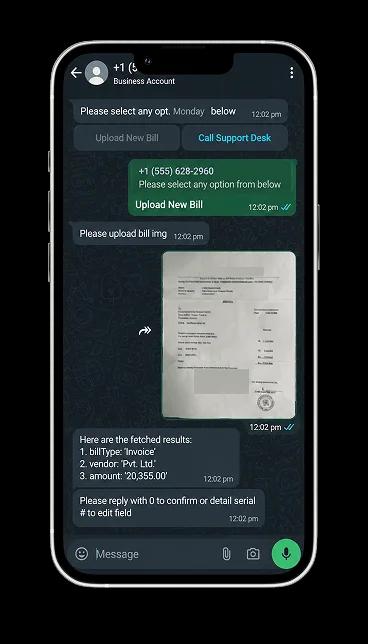
Domino's WhatsApp
Chatbot

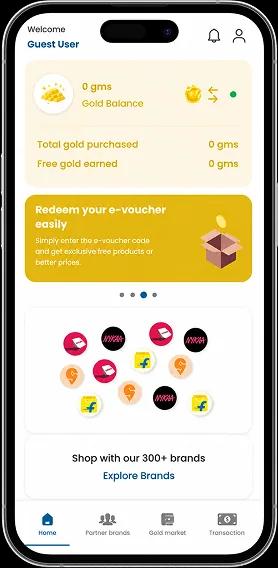
Robust mobile ordering with live tracking, loyalty rewards, and seamless payment integration.

Domino's app preview
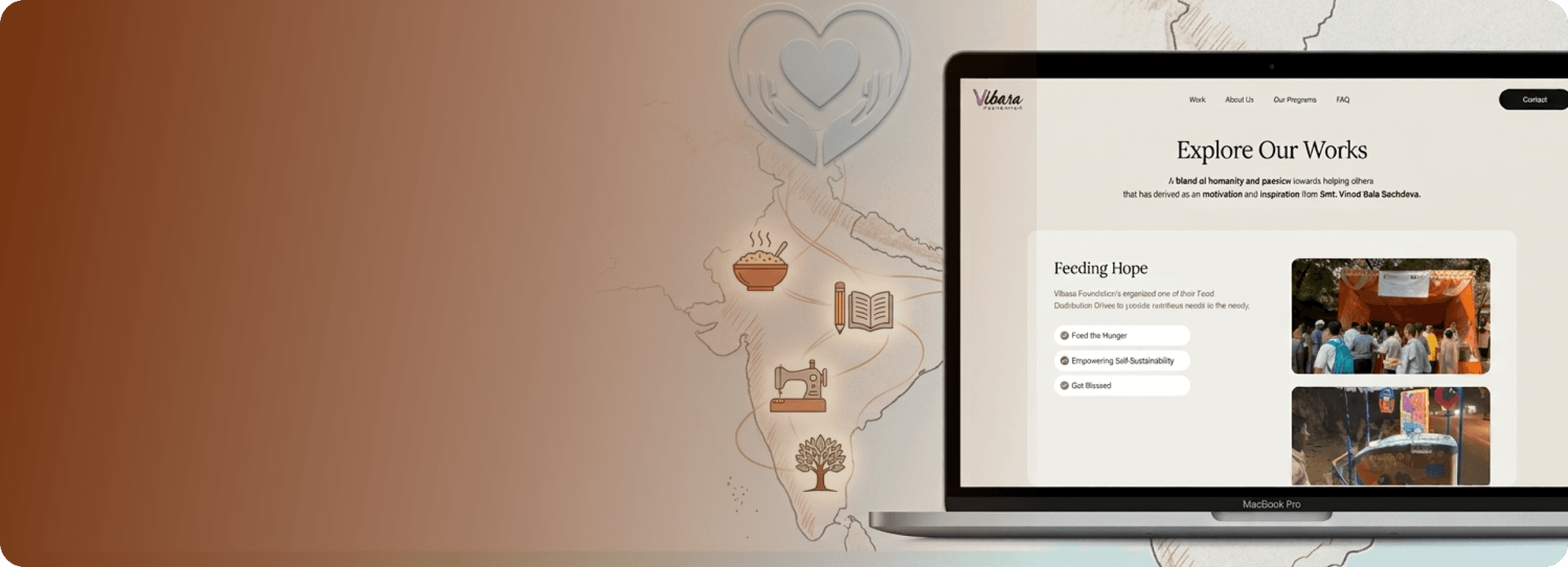
Vibasa logo

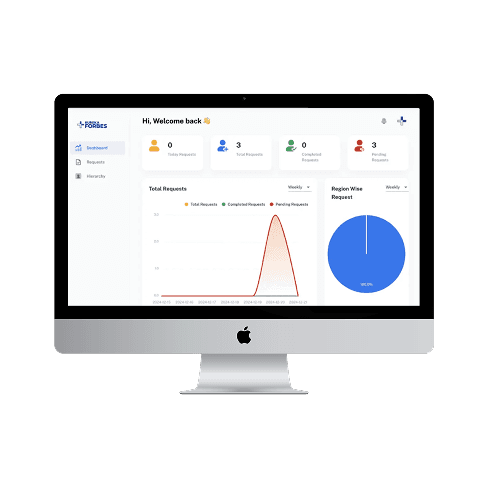
Vibasa Foundation

Building a kinder future through compassion, service, and collective action.

Vibasa app preview
Greenply logo

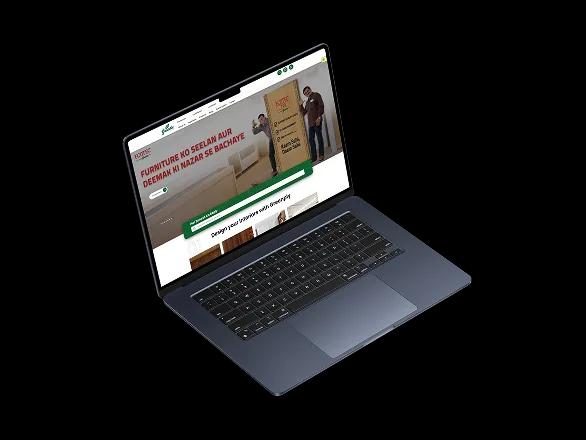
Greenply

Digital product experience for a leading brand, designed to strengthen discovery and customer trust.

Greenply app preview
Domino's logo

Domino's WhatsApp
Chatbot

Robust mobile ordering with live tracking, loyalty rewards, and seamless payment integration.

Domino's app preview
Vibasa logo

Vibasa Foundation

Building a kinder future through compassion, service, and collective action.

Vibasa app preview
Greenply logo

Greenply

Digital product experience for a leading brand, designed to strengthen discovery and customer trust.

Greenply app preview
Clutch 5.0 rating

Recognized. Trusted. Preferred

Awards & Recognition

We are proud to be recognized by leading platforms and industry experts for our innovation, impact, and excellence

TopDevelopers

TopDevelopers

Top Mobile App Developers

Freelancer

Freelancer

Top Mobile App Developers

AppFutura

AppFutura

Top Mobile App Developers

GoodFirms

GoodFirms

Top Mobile App Development

Clutch

Clutch

Top Mobile App Developers

Excellence isn't claimed.It's recognized

These achievements reflect our commitment to
delivering world-class AI solutions that help
businesses grow and lead

FAQ's

What is the difference between UI and UX design?
UI (User Interface) design focuses on the look and feel of the app or website, including elements like buttons, typography, and layout. UX (User Experience) design focuses on the overall user experience, ensuring the app or website is easy to navigate and meets user needs.
Do you offer UI/UX design services in India?
Yes, we specialize in UI/UX design services in India, helping businesses across industries create user-centered digital solutions that engage users and improve their digital presence.
How long does it take to design a website or mobile app?
The timeline depends on the complexity of the project. A simple app or website may take around 4-6 weeks, while more complex designs could take 8-12 weeks or more. We define clear milestones and timelines for every project.
Can you integrate UI/UX design with existing platforms?
Yes, we specialize in creating designs that integrate seamlessly with your existing platforms, ensuring smooth and consistent user experiences across your web or mobile applications.
What industries do you serve with your UI/UX design services?
We provide UI/UX design services for a range of industries including eCommerce, healthcare, education, fintech, entertainment, and more. Our solutions are customized for the unique needs of each sector.

Supporting Insights

Mobile App Development Agency
Blogs01/10/2026

Mobile App Development Agencies Offering Clean Code and Long-Term Maintainability

Many mobile apps ship on schedule and then become costly to change within two years. Messy architecture, thin documentation, and outdated dependencies turn every new feature into a risk. That is why choosing a mobile app development agency with a proven clean code and maintainability approach matters as much as choosing one for design or speed. This guide explains what clean code looks like in practice, which guarantees agencies can realistically offer, and how to evaluate a partner before you sign, so your mobile app stays stable, scalable, and affordable to maintain. What Defines a Mobile Development Agency Worth Shortlisting The market for mobile development is crowded. Searching for top mobile app development companies returns hundreds of names, and nearly all of them show polished portfolios. A portfolio shows what an app looks like at launch. It tells you very little about how the app will behave after two years of updates, new operating system releases, and team changes. A shortlist should therefore start with engineering evidence, not visual samples. The strongest app development companies can explain their architecture decisions, show how they review code, and describe what happens to a project after release. Core Services a Full-Scale App Development Agency Should Cover A capable app development agency covers the whole lifecycle rather than just the build phase. At minimum, look for: Discovery and planning: requirements analysis, technical scoping, and architecture proposals. Mobile app design: UX research, interface design, and design systems that developers can implement consistently. Engineering: native and cross-platform builds, including iOS and android app development. Quality assurance: manual and automated testing across devices and OS versions. Post-launch support: monitoring, bug fixes, and planned updates. Agencies that treat these as a single connected mobile app development service tend to produce more coherent codebases than those that outsource pieces to different vendors. If you are comparing vendors beyond mobile, our guide to the best custom software development companies offers a broader view of how general software development firms are assessed. Signals of Engineering Maturity Beyond the Portfolio Engineering maturity is visible in small details. Ask whether the agency has written coding standards, whether every change is peer reviewed, and whether senior engineers are involved throughout rather than only at kickoff. Mature mobile app development firms also tend to publish technical write-ups, maintain internal libraries, and keep low developer turnover on long projects. High turnover is a quiet risk: when mobile app developers leave mid-project, undocumented knowledge leaves with them. How Clean Code Shows Up in Mobile App Development Clean code is not an abstract ideal. It is code that other developers can read, test, and change safely. In mobile app development, that has direct commercial consequences. Both major platforms release new OS versions every year, and an app that cannot adapt quickly becomes a liability. A good mobile application development process makes this adaptation routine rather than a crisis. Coding Standards, Architecture Patterns, and Code Reviews Clean code starts with agreed conventions. Reliable mobile application development companies follow consistent naming, formatting, and folder structure, and they enforce these with linters and automated checks rather than good intentions. Architecture matters even more. Patterns such as MVVM, clean architecture, or modular feature-based structures keep business logic separate from interface code. This separation lets teams change one part of a mobile application without breaking the rest. Whether the project uses Swift, Kotlin, Flutter, or React Native, ask the agency which pattern it uses and why. A confident, specific answer is a good sign. A vague one suggests the structure is improvised. Code review is the third pillar. Every change should be reviewed by at least one other engineer before merging. This catches defects early and spreads knowledge across the team, so no single developer becomes a bottleneck. Automated Testing and CI/CD as Proof of Quality Tests are the clearest proof that a team values quality. Unit tests verify logic, integration tests verify how components interact, and UI tests verify that critical user journeys still work. Without them, every release depends on manual checking, which becomes slower and less reliable as the app grows. Continuous integration and delivery pipelines complete the picture. Every development app build should be compiled, tested, and analyzed automatically before it reaches testers. A team that ships through a disciplined pipeline is far less likely to introduce regressions, and the pipeline itself becomes part of the documentation of how the product is built. Building Maintainable Mobile App Development Practices That Last Maintainability is what happens after the first release. A well-built app can be extended by a new team, updated for new devices, and secured against new threats without a rewrite. Maintainable mobile app development is mostly about habits that look unremarkable day to day: writing things down, updating regularly, and refusing shortcuts that create hidden costs. Documentation, Handover, and Knowledge Transfer Good documentation answers the questions a new developer would ask in their first week. How is the project structured? How do I run it locally? How are releases signed and deployed? What third-party services does the app depend on? Strong app development companies document architecture decisions, API contracts, environment setup, and release procedures as they work, not in a rush at the end. They also plan a formal handover, including walkthrough sessions, repository access, and credentials management, so you are never dependent on one vendor to understand your own product. Managing Technical Debt and Dependency Updates Technical debt is the accumulated cost of past shortcuts. Some debt is unavoidable, especially when launching quickly, but responsible teams track it openly and schedule time to repay it. Ask how an agency records debt and whether maintenance sprints are part of its standard process. Dependencies deserve the same attention. Mobile apps rely on dozens of third-party libraries, and abandoned or outdated packages are a common source of security issues and build failures. A reliable mobile app development partner reviews dependencies on a regular schedule and upgrades them in small steps rather than in painful, risky leaps every few years. Maintainability Guarantees: What Agencies Can and Cannot Promise Buyers often search for agencies that "guarantee" clean code. It helps to be precise about what a guarantee can realistically cover. No firm can promise code that will never contain a defect. What a credible app development firm can offer is a structured commitment: defined standards, a warranty window, support terms, and clear ownership of the result. Warranty Periods, SLAs, and Support Agreements Most agencies offer a warranty period after launch, commonly 30 to 90 days, during which defects in delivered work are fixed at no extra charge. Beyond that, ongoing support is usually covered by a maintenance agreement. A solid agreement specifies: Response and resolution times by severity level Compatibility updates for new iOS and Android releases Security patching and dependency upgrades Monitoring and crash reporting Reporting cadence and escalation contacts Read the exclusions carefully. A warranty that excludes "changes to third-party services" or "new OS versions" may leave out exactly the work you will need most. Code Ownership and Repository Access Clauses Maintainability also depends on legal clarity. Your contract should state that you own the source code, designs, and related assets, and that you hold admin access to the repositories, app store accounts, cloud services, and signing keys. Some firms keep these under their own accounts, which makes switching vendors difficult. Insist that everything is set up under your organization from day one. This is one of the simplest protections against vendor lock-in in custom app development. How to Evaluate an App Development Agency's Code Quality Before Signing Claims about quality are easy to make and hard to verify, so it is worth checking directly. The best mobile app development agencies are usually comfortable with scrutiny, because they have evidence to show. Code Audits, Sample Repositories, and Technical Interviews Several practical steps can reveal a lot: Request a sample repository or an anonymized code excerpt from a past mobile app project. Look at structure, naming, and test coverage. Commission an independent code audit of a previous deliverable, or of a pilot module, from a third-party engineer. Hold a technical interview with the engineers who would work on your project, not just the sales team. Ask about their testing approach, release process, and how they handle breaking changes. Speak to past clients about the app's condition one or two years after launch. This is where maintainability shows up. Red Flags That Signal Future Maintenance Problems Be cautious when you see any of these: No automated tests, or test coverage that is described but cannot be shown Reluctance to share code samples or architecture documents Source code or store accounts held by the agency A fixed price with no allowance for post-launch maintenance Heavy reliance on a single "hero" developer Pressure to skip documentation to hit a deadline Any one of these may be explainable. Several together usually point to costs that will appear later. Comparing Agency Models for Long-Term Mobile Projects The right engagement model depends on your internal capability, budget, and how central the product is to your business. Neither internal teams nor agencies are automatically better at producing maintainable software. What matters is how each is structured and managed. In-House Team vs. Dedicated Agency Team vs. Hybrid Engagement Model  Strengths  Trade-offs In-house team Deep product knowledge, full control Higher fixed cost, slower to scale, hiring risk Dedicated agency team Fast start, broad skills, flexible capacity Needs strong governance and clear handover terms Hybrid Agency builds, internal team takes over gradually Requires coordination and shared standards Many organizations start with an agency to launch quickly and then shift to a hybrid model as the product matures. That path works best when documentation and code standards are agreed at the beginning. If you are still deciding between different kinds of vendors, our overview of custom software development companies can help you compare approaches across specialties. Cost Versus Lifetime Value of Maintainable Code Maintainable mobile app solutions often cost somewhat more upfront. Testing, documentation, and reviews take time. But the cost of change is where the difference compounds. In a clean codebase, adding a feature is predictable. In a messy one, each change risks side effects, and fixes take longer with every release. Over a multi-year horizon, the cheaper build can become the more expensive asset. When you compare quotes from mobile app development companies, evaluate the total cost of ownership across three to five years, not just the initial project fee. Choosing the Right Partner The most dependable mobile app development partner is rarely the one with the lowest quote or the most impressive launch demo. It is the one that can show how its work holds up over time: readable code, automated tests, honest documentation, clear contracts, and a support model that matches your roadmap. Whether you are comparing mobile app development agencies, a specialist app development firm, or a larger software development company with a mobile practice, apply the same checklist. Ask for evidence, verify it independently, and make sure ownership and handover terms are written down. For a wider shortlist across disciplines, see our guide to the best custom software development companies .

Mobile App Development Cost
Blogs30/09/2026

Mobile App Development Cost Guide 2026 (Android, iOS & Cross-Platform)

How Much Does Mobile App Development Cost in 2026? Short answer: A simple app typically costs $10,000-$40,000, a medium-complexity app $40,000-$120,000, and a complex app $120,000-$300,000 or more. Timelines run from 2 to 12+ months. App Complexity Typical Cost (USD) Timeline Simple $10,000-$40,000 2-4 months Medium $40,000-$120,000 4-8 months Complex $120,000-$300,000+ 8-12+ months These figures are indicative market ranges. Quotes vary by scope and vendor. One number is misleading because scope, platform, region and team model all move the price. Every mobile app development company also prices differently: fixed-price suits well-defined projects, hourly (time-and-materials) suits evolving scope, and a dedicated team suits long-term product work. Mobile App Development Cost by Platform: Android vs iOS vs Cross-Platform Your platform choice shapes both budget and reach. Android app development means building for a wide range of screen sizes and devices, which adds testing time. Developers typically use Kotlin or Java. iOS development uses Swift and targets a narrower device range, so testing is simpler. Budget extra time for App Store review. Cross-platform development uses one codebase for both stores. Flutter and React Native are the leading frameworks, and they often reduce cost and time to market compared with two native builds. The trade-off is that highly graphics-intensive or hardware-dependent apps may still need native code. Approach Relative Cost Performance Best For Android native Medium High Android-first markets iOS native Medium High  Premium, iOS-heavy audiences Cross-platform Lower Good-High MVPs, startups, broad reach PWA Lowest Moderate Content and lightweight tools Tip: Look at your audience geography. iOS dominates spending in the US, while Android leads user share in India. App Development Cost by Complexity Simple apps have basic screens, limited features and often no custom backend, such as calculators or brochure-style apps. Medium apps add custom UI, user accounts, APIs, payments and an admin panel. Most business apps sit here. Complex apps include real-time features, AI, IoT integration, advanced security and high scalability, such as fintech platforms or marketplaces. MVP vs full product: Startup founders should consider launching a minimum viable product with core features first. This validates demand before you invest in a full-scale product. An experienced mobile app development partner will help you decide which features belong in version one. Key Factors That Influence Mobile App Development Cost Features and functionality: Login, payments, chat, maps and push notifications each add hours. Payments and real-time chat are among the costliest. UI/UX and mobile app design: Custom animations and unique design systems cost more than template-based interfaces, but they improve retention. Backend, integrations and security: Third-party APIs, cloud architecture and compliance (GDPR, HIPAA, PCI-DSS) raise both effort and testing. Team size, seniority and timeline: A typical project involves a project manager, designer, developers and QA engineers. Rushed deadlines usually carry a premium. Tech stack: Popular stacks make hiring easier and reduce long-term risk. Niche stacks can inflate costs. Expert insight: In our experience at SpaceToTech , uncontrolled scope creep is the most common cause of budget overruns. A written scope document with change-request rules protects both sides. Cost Breakdown by Development Stage Custom app development follows a lifecycle, and the budget is distributed roughly like this: Stage Approx. Share Key Deliverables  Discovery and requirements 5-10% Research, technical specification UI/UX design 10-15% Wireframes, prototypes Development and integration 40-50% Frontend, backend, APIs QA testing and launch 15-20% Manual and automated tests, store submission Skipping discovery is a false economy. A solid specification prevents expensive rework later. Mobile App Development Cost by App Type and Industry E-commerce and retail : Product catalogues, payment gateways and inventory sync. Fintech and banking: KYC, encryption and regulatory compliance push costs higher. Healthcare and telemedicine: Video consultations, HIPAA-grade privacy and secure data storage. On-demand, logistics and social apps: Real-time tracking, matching algorithms and scalable infrastructure. AI chatbot and enterprise apps: Custom workflows and integrations with internal systems. SpaceToTech builds AI chatbots alongside mobile applications for businesses that want intelligent customer engagement. Regulated industries such as fintech and healthcare generally cost the most because of compliance and security testing. App Development Cost by Region: India vs USA vs UK vs Europe Location is one of the biggest price levers. These are indicative hourly ranges:  Region  Typical Hourly Rate  Pros and Cons India $20-$50 Cost-efficient, large talent pool; vetting required  Eastern Europe  $40-$80  Strong engineering, moderate cost UK / Western Europe $70-$150 Close collaboration; higher cost USA $100-$200 Time-zone and market proximity; highest cost The top mobile app development companies in India combine competitive rates with mature delivery processes, but quality varies. Check portfolios, references and verified reviews. Onshore, offshore or nearshore? Offshore teams offer the lowest rates. Nearshore teams share your time zone. Whichever you choose, confirm IP protection in writing. Think in terms of total cost of ownership : rework, management overhead and communication gaps can erase a low hourly rate. Top Mobile App Development Companies: How to Compare Pricing and Choose the Right Partner Searching for the top mobile app development companies in the world can be overwhelming. Instead of chasing rankings, evaluate each mobile app development agency against clear criteria. What defines a top app development company A relevant portfolio and live apps you can test Technical depth across Android, iOS and cross-platform Verified client reviews and references Process maturity: discovery, agile sprints, QA and post-launch support Using Clutch and other review platforms Directories like Clutch publish verified client reviews, hourly-rate ranges and project-size data. When you browse the top mobile app development companies on Clutch , read the detailed reviews rather than only the overall score, and cross-check with other platforms and direct references. Top mobile app development companies in the USA vs India The top mobile app development companies in the USA offer proximity, strong product strategy and familiarity with local regulation, at premium rates. Mobile application development companies in India, including Delhi NCR-based SpaceToTech, typically offer lower rates and scalable teams. Neither is automatically better. Choose based on budget, communication needs and project complexity. Red flags to watch for Vague quotes with no feature-level breakdown No discovery phase No post-launch support or maintenance plan Unwillingness to share references Questions to ask before signing Who owns the source code and IP? Will you receive full code handover? What SLAs cover bug fixes and support? Can I speak with past clients? Hidden and Ongoing Costs Many founders budget for the build and forget what follows: Maintenance and updates: Commonly 15-20% of build cost per year, covering OS updates, bug fixes and security patches. Hosting and cloud: Costs grow as your user base grows. Third-party APIs and licences: Maps, SMS, payments and analytics often carry usage-based fees. App store and compliance fees: Apple's developer programme is $99/year and Google Play has a one-time $25 fee, plus platform commissions on in-app sales. Check current terms before budgeting. Checklist: Build a first-year budget worksheet covering maintenance, hosting, APIs, store fees and marketing. How AI Is Changing Mobile App Development Costs in 2026 AI cuts some costs and adds others. Savings: AI-assisted coding, automated testing and faster prototyping shorten delivery cycles and reduce QA hours. New costs: Features like chatbots, recommendations and personalisation add development effort plus ongoing LLM API usage fees. Build vs buy: Pre-trained APIs are faster and cheaper to start with. Custom models cost more but offer differentiation and data control. Trends to watch: On-device AI, agentic app experiences and low-code acceleration are reshaping how software development teams estimate projects. How to Reduce App Development Cost Without Compromising Quality Start with an MVP. Prioritise features using the MoSCoW method (Must, Should, Could, Won't). Choose cross-platform where suitable. A shared codebase can materially reduce build cost. Reuse components. Design systems, open-source libraries and SDKs save hours. Define scope in writing. Clear documentation prevents costly changes. Use milestone-based payments. They tie spending to delivered results. Invest in discovery. It lowers rework risk. Plan post-launch upfront. Budgeting for maintenance avoids emergency spending. The right mobile app development partner will advise you honestly on where to cut and where not to. Conclusion Mobile app development cost in 2026 is not a single number. It depends on your app's complexity, your platform choice, the features you prioritise, and where your development team is based. Simple apps start around $10,000, while complex, compliance-heavy products can exceed $300,000. Cross-platform frameworks, a well-scoped MVP and a proper discovery phase are the most reliable ways to control spend without cutting quality. Remember that the build is only the beginning. Budget 15-20% of the initial cost each year for maintenance, hosting, APIs and store fees, and factor in the impact of AI, which can trim development time but add new feature and usage costs. Just as important is who you build with. Rather than chasing rankings, compare mobile app development companies on portfolio strength, verified reviews, transparent pricing, IP ownership and post-launch support. Whether you are weighing the top mobile app development companies in the USA or in India, the right mobile app development partner is the one that understands your goals and is honest about trade-offs. Ready to plan your app with clarity? Talk to SpaceToTech's mobile app development team for a free, no-obligation estimate tailored to your project.

React Native App Development Agencies
Blogs04/06/2026

What Are the Best Digital Agencies for Building Apps With React Native?

What Are the Best Digital Agencies for Building Apps With React Native? Choosing the right React Native app development agency in 2026 is one of the most important decisions you will make for your mobile product. The market is flooded with hundreds of vendors all claiming to be the best — but the reality is that most are generalists with a React Native checkbox on their website, not specialists who live and breathe cross-platform mobile. This guide cuts through the noise. We evaluated over 40 agencies across portfolio depth, client reviews, pricing transparency, team expertise, and post-launch support. Whether you are a startup founder building your first MVP or an enterprise CTO scaling a product used by millions, you will find a reliable React Native development company on this list — and a clear framework for choosing the right one. Why React Native Is Still the Smart Choice in 2026 React Native powers apps for Meta, Microsoft, Shopify, and thousands of startups worldwide. In 2026, with the new JSI/Fabric architecture fully stable, its performance gap with native development has virtually closed. For most business applications, it delivers: Up to 40–60% cost savings vs. building separate iOS and Android apps A single JavaScript/TypeScript codebase with ~95% code reuse across platforms Access to the world’s largest developer talent pool (JavaScript) Faster time-to-market — critical for  For most product teams, custom React Native app development services offer the best balance of speed, cost, and quality in cross-platform mobile app development. How We Evaluated the Agencies Every agency on this list was assessed against six criteria: Portfolio quality and industry depth (fintech, healthcare, e-commerce, SaaS) Verified client reviews on Clutch, GoodFirms, and Google Pricing transparency and engagement model flexibility Team size, seniority mix, and React Native specialisation Communication standards and project management tools (Jira, Notion, Slack) Post-launch maintenance, SLA commitments, and long-term support Top React Native App Development Agencies in 2026 #1. SpaceToTech — Best Overall React Native Agency in 2026 Why SpaceToTech Leads This List SpaceToTech is our top pick for teams that need a true React Native app development partner — not just a vendor. Their dedicated team model, transparent pricing, and full-cycle development process make them the standout choice for both startups and enterprises in 2026. SpaceToTech is a specialist React Native app development company serving clients globally from its India-based team. What sets them apart is their obsessive focus on delivery quality — not just shipping code, but building scalable, maintainable products that grow with your business. Startup MVPs, enterprise mobile platforms, fintech, e-commerce, SaaS products Fixed price, time & material, dedicated team $25–$50/hr — delivering exceptional value without cutting corners Ongoing maintenance plans, performance monitoring, dedicated account manager End-to-end React Native expertise, proven delivery framework, and a client-first culture backed by verified 5-star reviews → Ready to build your app? Visit spacetotech.com to request a free project consultation. #2. Toptal — Best for High-Budget Enterprise Projects Toptal connects you with the top 3% of freelance React Native developers globally. Ideal for large enterprises with complex requirements and budgets to match. Hourly rates start at $150, making it less suitable for bootstrapped startups but excellent for organisations that need battle-tested senior talent fast. #3. Appinventiv — Best for Mid-Market and Growth-Stage Companies One of India’s most recognised React Native development companies , Appinventiv has delivered over 900 apps across healthcare, retail, and logistics. Strong project management processes and a large team make them reliable for mid-market digital transformation projects. #4. Simform — Best for Product Companies Simform operates as a true product engineering partner. Their React Native practice is mature, and they excel at long-term engagements where you need a stable, dedicated team embedded in your development cycle. Highly rated on Clutch with a 4.9-star average. #5. Yalantis — Best for Fintech and Healthcare Apps Based in Ukraine with US offices, Yalantis brings deep domain expertise in regulated industries. If your React Native app handles financial transactions or patient data, their compliance-first development approach is a significant advantage. #6–10. Other Strong Contenders Intellectsoft — Enterprise-focused, strong IoT + mobile integration Rootstrap — Excellent for funded US startups needing a full product team Softeq — Hardware-linked mobile apps, strong in Germany and USA Openxcell — Best affordable React Native development services for budget-conscious MVPs Bacancy Technology — Agile React Native teams for SaaS and startup scaling Agency Comparison Table: Pricing, Location & Specialties Use this table to quickly compare your shortlisted agencies before reaching out:  Agency  Location  Hourly Rate  Best For  Rating SpaceToTech India / Global $25–$50 Startups, MVPs, Enterprise ★ 5.0 Toptal USA / Remote $150–$250 Enterprise, High-budget ★ 4.8 Intellectsoft USA / Ukraine  $50–$99  Enterprise, IoT apps  ★ 4.7 Appinventiv  India / UAE $25–$49 Startups & Mid-market ★ 4.8 Simform USA / India $25–$49 Product companies  ★ 4.9  Yalantis Ukraine / USA $50–$99 Fintech, Healthcare ★ 4.7 Rootstrap USA / Uruguay $50–$99 Funded startups ★ 4.6 Softeq USA / Germany $50–$99 Enterprise, Hardware-linked ★ 4.7 Openxcell India $20–$40  Budget-friendly MVPs  ★ 4.6  Bacancy Technology India / USA $25–$50 Agile teams, SaaS ★ 4.7 How to Choose the Right React Native Agency for Your Project Hiring a React Native development team is not just a technical decision — it is a business relationship. Ask these five questions before signing any contract: Do they have proven experience in your specific industry vertical? Can they show live apps in the App Store / Google Play built with React Native? What is their engagement model — fixed scope or iterative sprints? Who owns the code and IP at project completion? What does post-launch support look like and is it included? Red flag to watch for: agencies that quote unusually low rates but cannot provide verified client references or a GitHub portfolio. When you outsource React Native development , the cheapest option almost always becomes the most expensive in the long run. How to Hire a React Native App Development Agency (Step-by-Step) Once you have shortlisted a few names from the list above, the next question is how to hire a React Native app development agency without losing weeks to back-and-forth calls. Some founders want to hire React Native developers as a dedicated team. Others are weighing a React Native software development agency against a single freelancer. The process below applies to most engagements, whether you are building a first MVP or scaling a mature product. Choosing among the best React Native development agencies is only half the job. The other half is picking the right engagement model, vetting technical depth, and locking down the contract. React Native Hiring Models: Hourly, Dedicated Team, or Project-Based Most React Native development agencies offer three ways to bring their engineers onto your project. The right one depends on how defined your scope is and how long you expect to need the team. The same models apply if you are shopping for a general native app development agency or a specialist in React Native development services. Model Best For Billing Typical Minimum Hourly Small fixes, audits, short scopes  Weekly A few hours to a few weeks Dedicated Team Ongoing product development, fast-scaling startups Monthly 1–3 months Project-Based (Fixed Scope) Well-defined MVPs with a fixed budget and timeline Milestone-based  Full project duration If your scope is still changing, a dedicated team usually works better than a fixed-price contract. If you have a clear specification and a hard budget, project-based billing keeps costs predictable. The Hiring Process, Step by Step 1. Share your requirements. Tell the agency your tech scope, timeline, and team size. A serious React Native development agency will ask about target platforms, integrations, and any existing codebase before quoting a number. Mention whether you also need Android app development or iOS-specific work, since this shapes team composition. 2. Review vetted profiles or a live portfolio. Ask for matched developer profiles, or for real apps on the App Store and Google Play rather than case study screenshots. A live React Native mobile app you can download and test tells you more than any pitch deck. 3. Interview and check technical depth. Speak directly with the React Native engineers who would work on your product, not just the sales lead. Ask specifically about experience with JSI, Fabric, and Turbo Modules, the building blocks of React Native's New Architecture. Agencies still running legacy-bridge workflows tend to be slower and costlier to maintain long-term. 4. Sign off and onboard. Confirm IP ownership, NDA terms, and communication tools (Slack, Jira, Notion) before work begins. Then track progress against a defined sprint or milestone schedule. Why React Native's New Architecture Matters When You Hire React Native's New Architecture, built on JSI (JavaScript Interface), Fabric, and Turbo Modules, replaced the older asynchronous bridge with a faster, more direct communication layer between JavaScript and native code. Agencies that have migrated their internal workflows and client apps to this architecture typically ship features with lower memory overhead and fewer runtime crashes than teams still on the legacy bridge. This is why the React Native framework's current state should shape your vetting questions. When you hire a React Native app development agency, ask whether their recent projects use the New Architecture. It is a fast way to separate teams that are current with React Native application development from generalists working off outdated tutorials. The same test applies whether you are evaluating a top React Native development agency or a smaller boutique studio In-House vs Freelancer vs Dedicated Agency Team Many teams debate whether to hire React Native developers in-house, look for freelance React Native talent, or partner with an agency. Here is how the three options compare. Factor In-House Hire Freelancer Dedicated Agency Team Time to Onboard Weeks to months Days to weeks, variable  Days to about two weeks Cost Highest: salary, benefits, infrastructure Unpredictable Predictable, no overhead Quality Consistency High, if hiring is right Inconsistent Vetted, senior-led Scalability Slow, new hiring cycles needed Limited to one person Scale team up or down on demand Best For Long-term core product roles One-off, narrowly scoped tasks Ongoing development, startup to enterprise Freelance React Native developers can be a good fit for a quick bug fix or a narrowly scoped feature. For a full app build, though, a dedicated team from an established agency brings project management, QA, and backup coverage that a solo contractor can't. In-house hiring makes sense once React Native development becomes a long-term core function of your company. React Native vs Flutter: Which Should You Choose in 2026? This is the question every CTO asks. Here is an honest comparison:  Factor  React Native  Flutter Language JavaScript / TypeScript Dart Performance Near-native (JSI/Fabric 2026) Excellent (compiled to native) Developer Pool Very large (JS ecosystem)  Growing, smaller than JS Code Reuse ~95% cross-platform  ~95% cross-platform Best For Startups, web-adjacent teams High-fidelity UI, Google-first Community Mature, Meta-backed Growing, Google-backed Avg. Agency Cost Slightly lower (wider talent) Slightly higher Our verdict: If your team has JavaScript experience, or you need to share logic with a web product, React Native is the stronger choice in 2026. Flutter is excellent for UI-heavy apps where design fidelity is the priority. Either way, working with an agency specialising in React Native apps — rather than a generalist shop — will deliver better outcomes for either framework. React Native App Development Cost in 2026 One of the most-searched questions in this space. Here is what you can expect to pay: $8,000–$25,000 $25,000–$80,000 $80,000–$250,000+ India-based agencies like SpaceToTech typically charge $25–$50/hr vs. $100–$250/hr for US or Western European agencies — for comparable (often superior) technical output. Affordable React Native development services do not mean cutting corners; they mean leveraging cost-effective talent markets with rigorous quality controls. Conclusion: Which React Native Agency Should You Choose? The best React Native app development agency in 2026 is not necessarily the biggest or the most expensive — it is the one that best aligns with your product vision, timeline, and budget. For the majority of startups, scaleups, and mid-market companies, SpaceToTech offers the most compelling combination of deep React Native expertise, transparent pricing, and a proven delivery process. For large enterprises with complex, high-stakes builds, agencies like Toptal or Yalantis are worth the premium. Whatever you decide: do not rush it. Vet the portfolio, read the Clutch reviews, and have a discovery call before committing. The right React Native app development partner will feel less like a vendor and more like an extension of your own team. → Build smarter in 2026. Contact SpaceToTech at spacetotech.com for a free 30-minute consultation and project estimate.

We Build Digital Products That Drive Real Growth

From idea to launch, we help startups and enterprises build scalable apps, AI solutions & custom software.

View Our Work
Trusted byGlobal Clients

150+Projects Delivered

OngoingSupport
UAE

UAE

USA

USA

INDIA

INDIA

Book a Free Consultation

Your information is safe with us.