Building Smarter ProductsAI & ML Engineeringfrom India Space To Tech

From strategy to production, we build AI that solves real business problems and drives measurable impact

AI Strategy & Consulting

AI Agent & Automation

ML Ops & Production-Ready AI

Watch Our Work

Predictive fraud model for a UAE financial platform reduced false-positive flags by 38% and improved customer retention.

38%

False-positive flags reduced

Improved

Customers Retention

Production Ready

AI Solutions

Enterprise Grade

Compliance

Trusted by global brands

Numbers That Tell the Story

50+
AI and ML models in production.

Working systems handling real business data across five industry verticals — not internal demos sitting in testing environments. Some run quietly in the background while others operate directly inside customer-facing products, where performance issues get noticed immediately.

40+
Full-stack AI engineering team.
20+
Clients across countries.

Transforming Your Ideas into Powerful
AI-Driven Experiences

We build smart AI solutions that drive growth and automation.

So What Does an AI Engineering Team Actually Deliver?

An AI engineering team builds intelligent systems — including artificial intelligence models, generative AI applications, AI agents, recommendation engines, LLM-based tools, and computer vision pipelines — designed for actual production use, not just proof-of-concept demonstrations.

So What Does an AI Engineering Team Actually Deliver?

Machine Learning (ML)

Learns from data to make predictions over time. Fraud detection, churn forecasting, and demand planning.

Deep Learning

Natural Language Processing (NLP)

Generative AI (GenAI)

AI Agents / Agentic AI

Most real AI products combine two or three of these. A customer support tool might use NLP for intent detection, an LLM for response generation, and a RAG pipeline to ground those responses in your actual documentation. The architecture decisions matter — which is why the first step is always understanding what you're building before writing a line of code.

What We Build — From GenAI to Production ML

LLMs, RAG Pipelines, and Proper GenAI Engineering

Most buyers think they want a ChatGPT wrapper. What they actually need is an LLM with proper retrieval-augmented generation (RAG) architecture, prompt engineering that controls behavior, hallucination guardrails, and an evaluation framework that measures output quality over time. We work with GPT-4 via the OpenAI API, open-source models including LLaMA and Mistral through Hugging Face, fine-tuning pipelines when raw API accuracy falls short, and LangChain for orchestration. Generative AI development services that work in production are a different engineering problem from a demo.

Agents That Actually Do Things, Not Just Answer Them

Trained on Your Data, Owned by You

Grounding LLMs in Your Own Knowledge — RAG Pipelines

Predictive Models That Learn From Your Historical Data

Production-Scale AI for Regulated, High-Stakes Environments

Validate Fast, Then Build — AI for Startups

Build From Scratch, Fine-Tune Just Use an API A Straight Answer

Entry Tier

API Integration

OpenAI, Claude, Gemini

Best For

MVPs, chatbots, internal tools — where speed to market is the priority.

Cost: $15K–$60K

Token costs compound at scale.

Verdict: Right for most startups. Watch inference costs past 100K+ calls/month.

Optimization

Fine-Tuning

LLaMA, Mistral, GPT

Best For

Domain accuracy, brand voice, and privacy-sensitive data on self-hosted models.

Cost: $40K–$150K

Data prep is the biggest cost line.

Verdict: Strong when raw API accuracy falls short or data privacy is non-negotiable.

Most Recommended
Enterprise Ready

RAG Pipeline

Retrieval + LLM

Best For

Document Q&A, internal knowledge bases, compliance-sensitive chatbots.

Cost: $30K–$120K

Lower hallucination risk than raw LLM.

Verdict: Our starting point for enterprise knowledge use cases. High ROI and reliability.

Foundational

Custom Model

From Scratch

Best For

Unique proprietary data, IP-protected AI, and specific prediction tasks.

Cost: $100K–$500K+

MLOps + ongoing retraining required.
Verdict: Justified when your data is the product and scale makes economics work.

Projects We Are Proud Of

Domino's logo

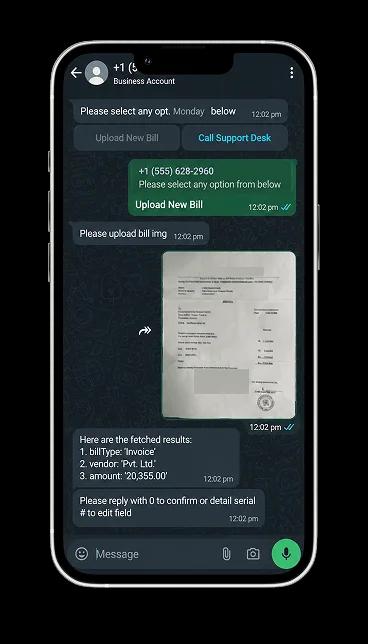
Domino's WhatsApp
Chatbot

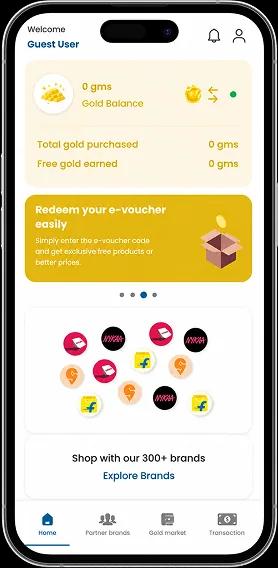
Robust mobile ordering with live tracking, loyalty rewards, and seamless payment integration.

Domino's app preview
Premeio logo

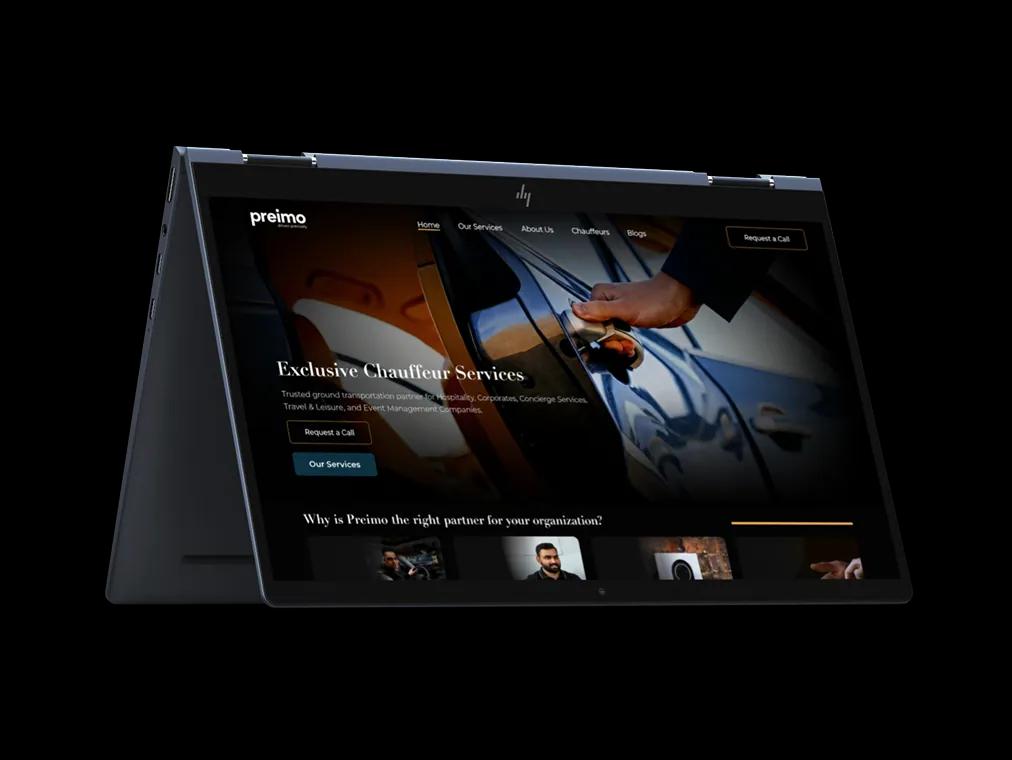
Premeio

Product engineering for a modern platform focused on usability, performance, and measurable business outcomes.

Premeio app preview
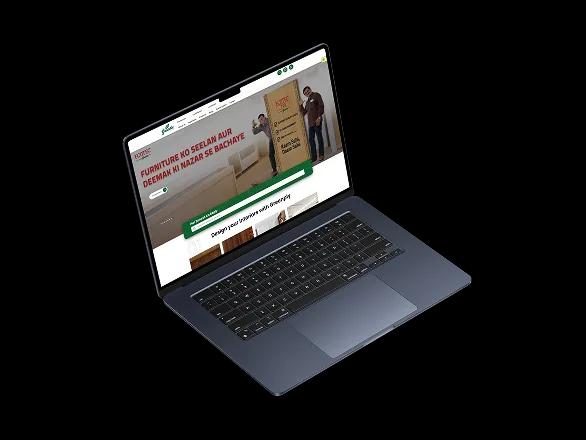
Greenply logo

Greenply

Digital product experience for a leading brand, designed to strengthen discovery and customer trust.

Greenply app preview
Domino's logo

Domino's WhatsApp
Chatbot

Robust mobile ordering with live tracking, loyalty rewards, and seamless payment integration.

Domino's app preview
Premeio logo

Premeio

Product engineering for a modern platform focused on usability, performance, and measurable business outcomes.

Premeio app preview
Greenply logo

Greenply

Digital product experience for a leading brand, designed to strengthen discovery and customer trust.

Greenply app preview

The Real Engineering Behind Generative AI Products

The large language model (LLM) selection decision has real consequences. GPT-4 via the OpenAI API is fastest to prototype, but inference costs compound quickly at scale. LLaMA 3 and Mistral are self-hostable open-source alternatives that change the privacy calculus for sensitive data use cases. Clean labeling, usable structure, removing junk records, fixing inconsistencies... that part takes far more time than most teams expect when the project starts.

A poorly built generative AI system produces confident-sounding wrong answers, which is worse than no AI at all.

Who We Work With — Markets and What Each One Needs

Global businesses building intelligent automation and custom ML solutions across India, the US, UK, UAE, and Australia.

World map

INDIA

Enterprise AI adoption accelerating under the IndiaAI Mission. FinTech and healthcare are the dominant AI categories domestically. We handle Indian-language NLP requirements — Hindi, Tamil, Telugu — that most vendors don't have production experience with.

AI Solutions Built for the Real World

Demos can be deceiving. We design and develop AI systems that integrate into daily operations — with evaluation, monitoring, and long-term maintainability.

AR and VR immersive solutions

Three Ways to Bring Our AI Engineers Into Your Project

Hire dedicated AI developers from India to build intelligent AI experiences, interactive applications, and scalable AI applications tailored to your business goals.

Dedicated AI Developer or Team

Assigned exclusively to your project. Works within your sprint cycles. Best for long-term AI product builds where model iteration and MLOps maintenance require a team that stays close to the model's evolving behavior.

Dedicated AI Developer or Team

Team Augmentation

Project-Based Engagement

Honest Numbers: What AI Projects Actually Cost

The range is wide for real reasons — an LLM API chatbot is a fundamentally different project from an enterprise AI platform with custom model training and regulatory compliance overhead. Cost follows complexity, and complexity follows use case. Here is a realistic breakdown of AI development cost for an India-based team:
Sectors Where We've ShippedAI That Earns Its Budget

Space To Tech delivers AI development services across enterprise and consumer sectors where model quality, evaluation, and production reliability determine ROI.

FinTech and Banking

FinTech and Banking

Fraud detection, risk scoring, and retention models that hold up under real transaction load.

FinTech and Banking

Financial AI needs reliability, evaluation against false positives, and clear audit trails. We ship predictive fraud and risk models with monitoring so model drift doesn’t quietly erode trust.

Healthcare and Life Sciences

Healthcare and Life Sciences

Clinical and ops AI with privacy-aware pipelines and human review where risk is high.

Healthcare and Life Sciences

Healthcare AI pairs document intelligence, triage support, and predictive ops with guardrails and human-in-the-loop control for regulated workflows.

Gaming & Entertainment

Gaming & Entertainment

Recommendation, content tools, and player-support agents built for engagement scale.

Gaming & Entertainment

Entertainment AI covers recommender systems, content assistants, and support automation with latency and quality targets that match live products.

Manufacturing & Industrial

Manufacturing & Industrial

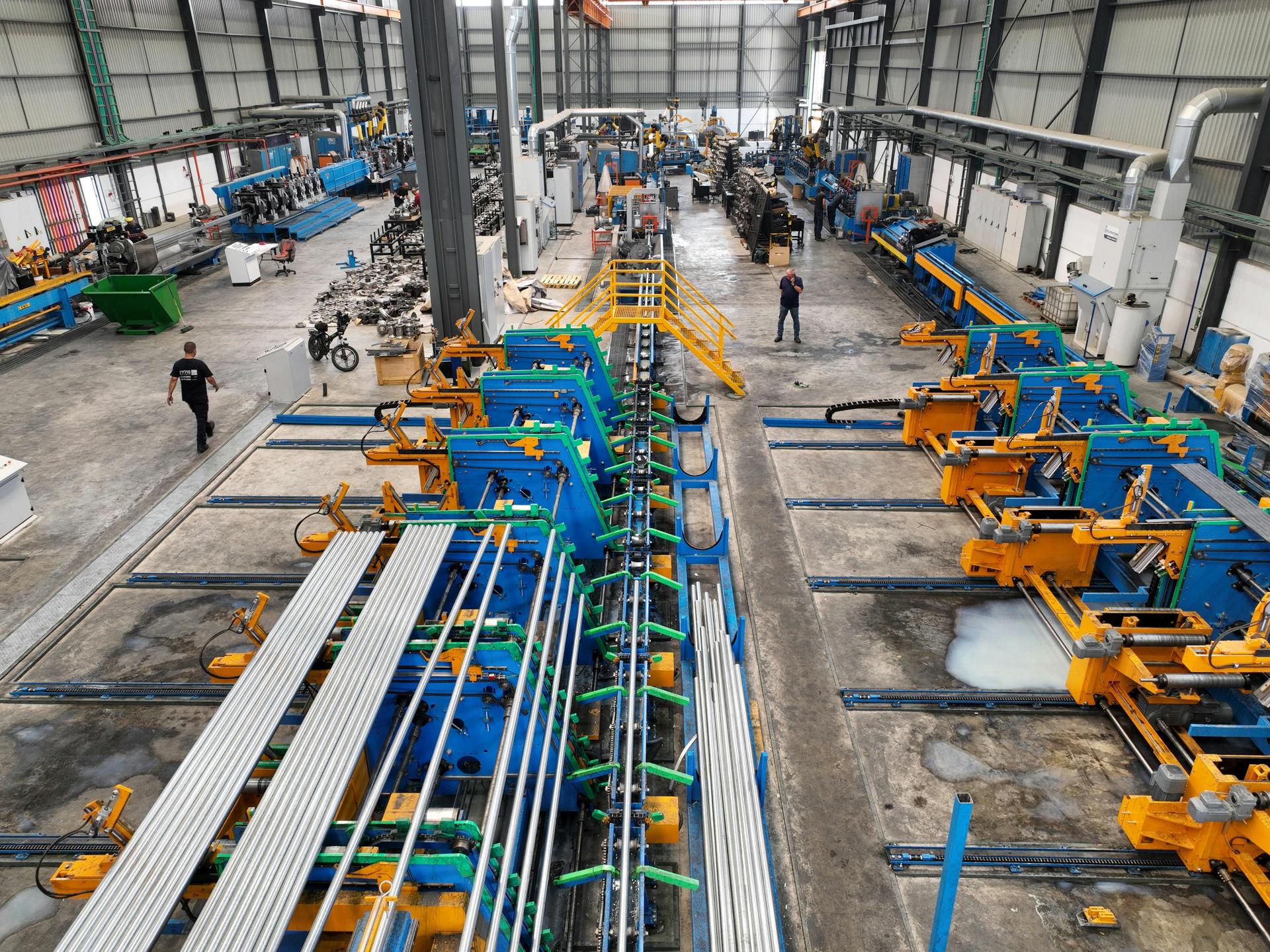
Predictive maintenance, quality signals, and ops intelligence from plant and sensor data.

Manufacturing & Industrial

Industrial AI turns historical equipment and process data into predictions teams can act on — with evaluation tied to downtime and scrap cost, not demo accuracy alone.

FinTech and Banking

FinTech and Banking

Fraud detection, risk scoring, and retention models that hold up under real transaction load.

FinTech and Banking

Financial AI needs reliability, evaluation against false positives, and clear audit trails. We ship predictive fraud and risk models with monitoring so model drift doesn’t quietly erode trust.

Healthcare and Life Sciences

Healthcare and Life Sciences

Clinical and ops AI with privacy-aware pipelines and human review where risk is high.

Healthcare and Life Sciences

Healthcare AI pairs document intelligence, triage support, and predictive ops with guardrails and human-in-the-loop control for regulated workflows.

Gaming & Entertainment

Gaming & Entertainment

Recommendation, content tools, and player-support agents built for engagement scale.

Gaming & Entertainment

Entertainment AI covers recommender systems, content assistants, and support automation with latency and quality targets that match live products.

Manufacturing & Industrial

Manufacturing & Industrial

Predictive maintenance, quality signals, and ops intelligence from plant and sensor data.

Manufacturing & Industrial

Industrial AI turns historical equipment and process data into predictions teams can act on — with evaluation tied to downtime and scrap cost, not demo accuracy alone.

Clutch 5.0 rating

Recognized. Trusted. Preferred

Awards & Recognition

We are proud to be recognized by leading platforms and industry experts for our innovation, impact, and excellence

TopDevelopers

TopDevelopers

Top Mobile App Developers

Freelancer

Freelancer

Top Mobile App Developers

AppFutura

AppFutura

Top Mobile App Developers

GoodFirms

GoodFirms

Top Mobile App Development

Clutch

Clutch

Top Mobile App Developers

Excellence isn't claimed.It's recognized

These achievements reflect our commitment to
delivering world-class AI solutions that help
businesses grow and lead

FAQ's

AI development services cover strategy, model selection, data preparation, training or fine-tuning, RAG and agent architecture, evaluation, MLOps, and production deployment — so AI systems run reliably on real business data, not only in demos.
Typical ranges run from about $15,000–$40,000 for an AI proof of concept to $20,000–$60,000 for an LLM API chatbot and $30,000–$120,000 for a RAG pipeline. Custom models and regulated enterprise platforms can exceed $100,000. Cost follows data work, evaluation, and production readiness.
Use an API when speed to market matters for MVPs and internal tools. Fine-tune or self-host when domain accuracy, brand voice, or data privacy cannot be met by a generic endpoint. RAG is often the best first enterprise step before full custom training.
Retrieval-Augmented Generation grounds an LLM in your own documents and knowledge base so answers stay sourced and lower risk of hallucination than raw model prompts alone.
We work with GPT-4 via OpenAI, Claude, Gemini, and open-source models such as LLaMA and Mistral through Hugging Face, plus orchestration with LangChain when pipelines need tool use and retrieval.
A focused PoC often lands in 6–12 weeks. Mid-complexity RAG or agent products take longer once document pipelines, evaluation, and production monitoring are in scope. Data cleanup is usually the critical path.

Supporting Insights

Mobile app development trends 2026 cover graphic with AI, cross-platform, and privacy icons on a dark navy background
Blogs05/08/2026

Top Mobile App Development Trends Businesses Should Know in 2026

Every year brings a fresh list of mobile app trends, and every year businesses face the same problem: too many trends, not enough clarity on which ones actually move the needle. In 2026, that gap has only widened. AI agents, low-code platforms, spatial computing, and privacy-first design are all competing for the same limited budget and the same limited attention span. This guide skips the usual approach of listing every emerging technology as equally important. Instead, every trend below comes with a straight answer to the question that actually matters: should your business adopt this now, pilot it carefully, or simply watch it for another year? Why Mobile App Trends Matter More Than Ever in 2026 Mobile apps are no longer a side channel for most businesses. They are where customers make decisions, complete purchases, and form their opinion of a brand within the first few taps. That makes the cost of getting trends wrong higher than it used to be. Adopting an immature technology too early can drain budget on something users never notice. Ignoring a trend that has already matured can leave a business looking dated next to competitors who moved first. The businesses handling this well in 2026 are not the ones with the longest feature list. They are the ones treating each trend as a decision with a cost, a timeline, and a clear owner, rather than a checkbox to tick because a competitor mentioned it. That decision-first mindset is what shapes the rest of this guide, including for teams evaluating a mobile app development company in the USA to help them prioritize. Top Mobile App Development Trends Businesses Should Watch in 2026 Below are the trends shaping mobile app development this year, each with a short verdict so you know where it sits on your roadmap before you read a single technical detail. 1. AI-Powered Applications and Agentic AI AI has moved past chatbots and recommendation widgets. In 2026, agentic AI, systems that can complete multi-step tasks inside an app rather than just answering a question, has become the standard for apps built by teams with real engineering budgets. A retail app might use an agent to handle an entire return process end to end. A logistics app might use one to reroute a delivery automatically when a driver reports a delay. Verdict: Adopt now. The tooling is mature, the productivity gains are documented, and users increasingly expect this level of automation from any app they consider well built. 2. Cross-Platform Development: React Native, Flutter, and Kotlin Multiplatform The argument for cross-platform development has moved from "good enough" to "often better" for most business apps. A single codebase covering iOS and Android cuts both build time and long-term maintenance cost, which is exactly why frameworks like React Native and Flutter now power a large share of new consumer and enterprise apps, alongside newer entrants like Kotlin Multiplatform for teams already invested in the Android ecosystem. Verdict: Adopt now. Native development still makes sense for apps that lean heavily on device-specific hardware or performance, but for most business apps, cross-platform is the default starting point in 2026, not the compromise it used to be. 3. Super Apps Super apps bundle payments, messaging, bookings, and marketplace features into one platform. They work brilliantly for a handful of companies operating at genuine ecosystem scale. For everyone else, chasing a super app model before nailing one core use case usually means a bloated product that does many things poorly instead of one thing well. Verdict: Watch, unless you already operate at platform scale.  4. AR, VR, and Spatial Computing Augmented and virtual reality have found real, specific homes in retail try-on experiences, real estate walkthroughs, and hands-on training simulations. What has not changed is that these experiences are still expensive to build well and only pay off when the use case genuinely benefits from a spatial interface. Verdict: Pilot first, in a narrow use case tied to a measurable outcome, before committing further budget. 5. Wearables and IoT Integration Health, fitness, and fintech apps continue to lead wearable integration, syncing with smartwatches and fitness trackers to extend the app experience beyond the phone. Broader IoT integration, connecting an app to smart devices, sensors, or industrial equipment, has matured well for logistics, manufacturing, and smart-home businesses specifically. Verdict: Pilot first for most industries, adopt now if your product already touches connected hardware. 6. 5G and Edge Computing 5G and edge computing unlock genuinely low-latency experiences: real-time video, high-frequency IoT data, and location-based features that feel instant rather than laggy. For a typical business or e-commerce app, though, the performance gain over a well-optimized 4G experience is often marginal. Verdict: Pilot first, and prioritize it only if your app depends on real-time data or media. 7. Voice Interfaces Voice search and voice commands remain a strong accessibility feature and a genuine convenience layer for hands-free contexts like driving apps or smart-home controls. It has not become the primary interface for most mobile apps, and there is little sign that will change in 2026. Verdict: Pilot first, scoped to accessibility and specific hands-free scenarios. 8. Privacy-First Development and On-Device AI With GDPR and HIPAA enforcement tightening and users increasingly aware of how their data gets used, privacy by design has stopped being a nice-to-have. On-device AI processing, where sensitive data never leaves the phone, has become a serious differentiator for healthcare, fintech, and any app handling personal information. Verdict: Adopt now, especially for regulated industries where this is close to a compliance requirement rather than a feature choice. 9. Low-Code and No-Code Development Low-code platforms let non-developers build and adapt internal tools and simple customer-facing apps without waiting on a full engineering cycle. According to Gartner, the majority of new applications built by enterprises in 2026 are expected to involve low-code technology in some form, a sharp jump from just a few years ago. That speed comes with a trade-off: low-code fits MVPs, internal dashboards, and simple workflows far better than it fits complex, security-sensitive, or highly customized products. Verdict: Pilot first for anything customer-facing or security-sensitive; adopt now for internal tools and fast MVP validation. 10. Sustainable App Development Energy-efficient code, reduced background data usage, and greener hosting choices are quietly becoming part of how forward-thinking teams build apps, both for cost reasons and because users increasingly notice which apps drain their battery. It is not a headline trend, but it is one of the easiest to start acting on immediately. Verdict: Adopt now, as an engineering discipline rather than a separate initiative. Which Mobile App Trends Deliver the Highest ROI? Put side by side, the trends worth prioritizing in 2026 share one thing in common: they reduce cost, reduce risk, or directly improve retention, rather than simply adding a feature for its own sake.  Trend  Business Value  2026 Verdict  AI Agents & Personalization  Very High  Adopt Now  Cross-Platform Development  High  Adopt Now  Privacy-First & On-Device AI  High  Adopt Now  Low-Code / No-Code Tooling  Medium-High  Pilot First  AR / VR / Spatial Computing  Medium  Pilot First  5G & Edge Computing  Medium  Pilot First  Super Apps  Medium  Watch  Blockchain in Mobile Apps  Low  Watch Native vs. Cross-Platform vs. Progressive Web App Choosing between native, cross-platform, and a Progressive Web App usually comes down to budget, timeline, and how much the app depends on device-specific features.  Approach  Cost  Speed to Launch  Best For  Native (Swift / Kotlin)  Highest  Slowest  Apps leaning heavily on device hardware or top-tier performance  Cross-Platform (React Native / Flutter)  Moderate  Fast  Most business, e-commerce, and enterprise apps  Progressive Web App  Lowest  Fastest Content-driven products testing demand before a full app build React Native vs. Flutter in 2026 Both frameworks remain strong choices, and the right pick usually depends on your existing team and long-term plans rather than a clear technical winner. React Native fits teams with JavaScript or React experience and a need to move fast on both platforms. Flutter tends to edge ahead when pixel-perfect, highly custom UI is the priority. For a deeper side-by-side breakdown, see our full comparison of React Native vs. Flutter .  Factor  React Native  Flutter  Language  JavaScript / TypeScript  Dart  Best For  Teams with JS/React experience  Highly custom, pixel-perfect UI  Performance  Strong, near-native  Strong, near-native  Ecosystem Maturity  Very mature, large community  Mature, growing fast Industry-Wise Mobile App Trends The same trend list looks different depending on the industry applying it. A quick look at how a few sectors are prioritizing these trends in 2026: Healthcare: on-device AI and privacy-first design, driven directly by HIPAA compliance requirements. FinTech: biometric authentication and AI-driven fraud detection, both now close to table stakes. Retail and E-commerce: AI personalization and product recommendation engines, alongside AR for try-before-you-buy experiences. For a full cost breakdown of building in this space, see our guide to e-commerce app development cost . Manufacturing and Logistics: IoT integration and edge computing for real-time tracking and equipment monitoring. Education: low-code tools for rapid content updates, paired with AI-driven personalized learning paths. Real Estate and Travel: AR walkthroughs and voice search for hands-free, on-the-go browsing. How AI Is Transforming Mobile App Development Beyond the individual trend, AI is changing how apps get built and how they behave once they are live. On the build side, AI-assisted development tools are shortening the distance between an idea and a working prototype. On the product side, apps increasingly ship with on-device models that personalize the experience without sending sensitive data to a server. That combination, faster development plus smarter, more private apps, is the real story behind the AI trend, more than any single feature. For businesses exploring what this looks like in practice, our breakdown of AI infrastructure for mobile app development in the USA covers the technical foundation in more depth. Common Mobile App Trends Businesses Should Avoid Chasing Not every trend deserves a place on your roadmap, and knowing what to skip is as valuable as knowing what to adopt. Building a super app before a single core feature has proven product-market fit. Adding voice, AR, or blockchain features because a competitor has them, without a specific user problem they solve. Treating low-code as a shortcut for a complex, security-sensitive product instead of what it is best at: MVPs and internal tools. Chasing every emerging technology at once instead of sequencing one or two trends that match your current stage. How to Future-Proof Your Mobile App Strategy A handful of practices separate businesses that adapt smoothly to new trends from those that keep rebuilding from scratch: Build on a cross-platform foundation so new features reach iOS and Android at the same time, rather than doubling every future update. Treat privacy and security as architecture decisions made early, not patches added after a regulatory scare. Pilot new trends in a scoped, measurable way before committing further budget, using the Adopt Now, Pilot First, Watch framework above. Review your roadmap against real usage data each quarter, not against whatever trend is dominating industry headlines that month. Keep a direct line to a development partner who can move quickly once a trend proves itself, instead of restarting a vendor search each time. How to Choose the Right Mobile App Development Company Picking the right partner matters more than picking the right trend. A strong mobile app development company will help you sequence these trends around your actual business goals instead of building a feature list that looks impressive but does not move any real metric. Look for a team that can show recent work in cross-platform development, has a clear point of view on AI and privacy, and is willing to tell you which trends to skip, not just which ones to sell you. If you are comparing options, our guide on how to choose the best mobile app development companies walks through the full evaluation process, and our list of top mobile app development companies is a good starting point for benchmarking. At SpaceToTech, this is exactly the conversation we have with founders and product teams before a single line of code gets written: which trends are worth your budget right now, and which ones can wait. If you have an app idea you are trying to scope for 2026, our team is happy to walk through it with you.

How to Choose the Right Custom Software Development Company, 2026 buyer's guide cover image
Blogs04/08/2026

How to Choose the Right Custom Software Development Company (2026 Buyer's Guide)

Who this guide is for: founders, CTOs, startup teams, and business leaders who are evaluating software development partners and want a repeatable process, not just a list of generic tips. Most vendor decisions do not go wrong because a business skipped research. They go wrong because the buyer researched properly and still got sold to well. A polished case study and a confident sales call do not tell you who will actually be on your project once the contract is signed, how the team handles a missed sprint, or who owns the code if the relationship sours. This is the real problem behind how to choose a custom software development company: the criteria most guides suggest, like checking a portfolio or asking about communication, are necessary but nowhere near sufficient. This guide goes further. It gives you a nine step framework, a weighted vendor scorecard, a literal script for your discovery call, and a contract checklist built from the mistakes that keep showing up in real engagements. Use it to compare every company on your shortlist using the same evidence, not the same impression. Why Choosing the Right Software Development Company Matters The cost of getting this decision wrong is not hypothetical. Research from McKinsey and the University of Oxford , based on more than 5,400 large IT projects, found that these projects run 45 percent over budget on average and deliver far less value than promised, with software projects carrying the highest risk of the group. A wrong vendor rarely fails on day one. It fails slowly, through missed deadlines, quiet scope changes, and a codebase that nobody else can safely touch once the original team moves on. Most businesses eventually turn to a Custom Software Development Company precisely because off the shelf software cannot support how they actually operate, or because owning the technology outright is a competitive advantage worth protecting. Getting the vendor evaluation right up front is the cheapest risk management you will do on the entire project. Step 1: Define Your Project Before You Talk to Any Vendor Every strong evaluation starts with clarity you bring to the table, not clarity you expect a vendor to extract from you on a sales call. Before you contact anyone, write down: The business problem you are solving and what success looks like six months after launch A rough scope, budget range, and timeline, even if it is not exact yet Whether you are building an MVP, modernizing legacy software, or scaling an existing product Whether you operate in a regulated industry, such as healthcare or fintech, where compliance shapes the build If you are still new to custom software and want the fundamentals first, read our complete Custom Software Development Guide before you start comparing vendors. Step 2: Build Your Shortlist the Right Way A shortlist of 3 to 5 companies is enough. More than that creates decision fatigue and makes every proposal start to sound the same. Look for candidates through referrals, review platforms like Clutch , and direct search. If you want a pre-vetted starting point, our list of Top Software Development Companies is a reasonable place to begin, alongside region specific roundups like Top Custom Software Development Companies in India and Top Custom Software Development Companies in the USA if you would rather work closer to home. Before reaching out, check whether each company's case studies describe a real business outcome or just a list of technologies used. If you are weighing India specifically as an outsourcing destination, our guide on how to Hire Software Developers from India covers what that market looks like in practice. Step 3: Evaluate Technical Expertise and Experience Portfolio relevance matters more than portfolio size. A company with three projects in your industry is usually a safer bet than one with thirty unrelated ones. Check tech stack fit, ask for real project outcomes instead of marketing language, and treat certifications as supporting evidence, not the deciding factor. For a deeper, developer level checklist, see our breakdown of Skills to Verify Before Hiring Developers . The table below is a quick way to sense-check what you are actually seeing on a call, versus what a confident sales pitch wants you to hear.  Poor Vendor Signal  Great Vendor Signal  Only promises, no process shown  Shows a documented process and can explain trade-offs  Cheap estimate with vague scope  Transparent estimate with clear assumptions  No dedicated QA  Dedicated QA and a defined testing process  No pilot offered  Open to a small paid pilot before full commitment  Generic portfolio, no real outcomes  Case studies with measurable business outcomes  Only sales reps on calls  Introduces the actual delivery team before signing  Vague on IP ownership  IP ownership stated clearly in writing Step 4: Ask the Right Questions on the Discovery Call This is the single highest value conversation in the entire process, and most buyers waste it on small talk. Come with specific questions and pay close attention to how directly each one gets answered.  Question  What a Strong Answer Sounds Like  Who specifically will work on my project?  Names and backgrounds of the actual delivery team, not just the sales contact  What happens when a sprint does not deliver what was planned?  A clear escalation and recovery process, not a vague reassurance  How do you handle scope changes and pricing?  A documented change process with clear pricing impact  What does your QA and security process look like?  Specific practices described, not just "we do code reviews"  Can you describe a project that did not go as planned?  A real, specific example and what the team learned from it Step 5: Check AI Readiness Without Falling for Buzzwords Almost every company now claims AI expertise, so the word alone tells you nothing. According to the Stack Overflow 2025 Developer Survey of more than 49,000 developers, 84 percent now use or plan to use AI coding tools, yet only 29 percent say they trust the accuracy of that output, a sharp drop from the year before. That gap is exactly what you need to probe. Ask which AI tools are used at each stage of delivery, how AI generated code is reviewed before it reaches your codebase, and what the company's policy is on exposing your code to third party AI training pipelines. A team that has actually thought this through will give you a specific answer. A team that has not will talk about AI in general terms and move on quickly. Step 6: Compare Proposals the Right Way, Not Just by Price The lowest number on a proposal is rarely the lowest total cost. Here is a realistic example of how two quotes for the same project can look very different once you read past the headline figure.  Company A, $40,000 Quote  Company B, $58,000 Quote  Fixed price, limited revisions included  Fixed price, three planned revision rounds included  No dedicated QA phase mentioned  Dedicated QA and a security review included  Post launch support billed separately at standard hourly rate  30 days of post launch support included  Team not named before signing  Named delivery team introduced during discovery Company B costs $18,000 more upfront, but Company A's quote excludes QA, revisions beyond the first round, and post launch support, all of which get billed later at an hourly rate. Once those costs are added back in, Company A is often the more expensive option over the full project lifecycle, not the cheaper one. When you compare proposals, read what is included and excluded, the assumptions behind the estimate, and the payment milestones, not just the total at the bottom of the page. Step 7: Understand Engagement Models and Pricing  Model  Best For  Watch Out For  Fixed Price  Clearly defined, stable scope, shorter timelines  Inflexible if requirements change, contingency is often priced in  Time and Materials  Evolving requirements, iterative development  Costs can expand without strong oversight  Dedicated Team  Long term product development  Needs active management and an onboarding ramp up period Also ask about hidden costs, onboarding ramp up, rework, knowledge transfer, and currency fluctuation if you are working with an international vendor. For a general cost benchmark before you compare quotes, see our breakdown of the Cost to Hire Software Developers , and if you are still deciding between a dedicated team and freelance talent, we compare both directly in Dedicated Developers vs Freelancers . Step 8: Review the Contract Before You Sign This is where vendor lock in gets built in or ruled out. Watch for clauses that let a vendor retain rights over reusable frameworks or proprietary infrastructure, since that keeps you dependent on them long after the original project ends. Ask whether their QA and security process follows recognized standards such as the OWASP secure coding guidelines, and confirm every item below is addressed in writing before you sign.  Item  What to Confirm  NDA  Signed before sharing any project details or proprietary information  IP and Source Code Ownership  All code, documentation, and assets transfer fully to you upon payment  Exit Clause  Clear terms for ending the engagement and transferring work in progress  SLA  Defined response times for critical, high, and low priority issues  Warranty  A defined post launch period during which defects are fixed at no extra cost  Source Code Access  Ongoing access to a live repository, not just a final handover file Step 9: Run a Paid Pilot Before Full Commitment A small paid pilot or proof of concept is the highest signal step most buyers skip, usually because it feels like an extra cost and an extra delay. It is neither. A one to two week pilot costs a fraction of the full project and tells you more than any reference call will. Use it to evaluate communication quality, how the team handles ambiguity, code quality, and documentation habits before you commit to the full engagement. Vendor Red Flags to Watch For  Red Flag  Why It Matters  Only sales reps join every call  You may never meet the people actually building your product  Detailed proposal within 24 hours of a vague brief  Suggests they are optimizing for closing the deal, not understanding the project  Vague answers about IP ownership  Can lead to vendor lock in later  Resistance to a small paid pilot  A confident team is usually glad to demonstrate their process  Communication slows down after signing  A known pattern in engagements that later run into trouble This list focuses on evaluating a company. If you are hiring individual developers rather than a company, see our broader list of Red Flags When Hiring Developers for developer-specific warning signs. What Happens After You Sign the Contract A healthy engagement has a visible rhythm from week one. Onboarding should include access setup, a kickoff call with the named delivery team, and a documented plan for the first sprint. Most reliable partners run on Agile principles, meaning short sprints, regular standups, and a working demo at the end of each cycle rather than a single handoff months later. Reporting should be proactive, a short written update or a live demo on a fixed cadence, not something you have to chase down. If any of this is missing in the first two weeks, treat it as an early warning sign rather than something that will sort itself out. Your Vendor Evaluation Scorecard This is a worksheet, so the Score and Weighted Score columns are left blank on purpose. Copy this table for every vendor on your shortlist, score each row from 1 to 5, multiply by the weight, and total the result. A vendor that feels strongest on the call is not always the vendor that scores highest once every category is counted, which is exactly the point of doing this on paper instead of from memory.  Criteria  Weight  Score (1 to 5)  Weighted Score  Technical Skills  20%      Communication  15%      Security  15%      Portfolio  15%      Pricing  10%      Team Stability  10%      Support  15%      Total  100%     Worked example: if a vendor scores 4 out of 5 on Technical Skills, which carries a 20 percent weight, that row contributes 0.8 to the total. Do this for all seven rows and add them up, the vendor with the highest total out of 5 is your strongest option on paper, not just the one who sounded best on the call. Before You Sign, Use This Checklist Run through this list one final time before any contract goes out for signature.  Check  Item  [ ]  Project scope, budget, and timeline are documented  [ ]  Shortlist of 3 to 5 vendors created  [ ]  Each vendor scored using the evaluation scorecard  [ ]  Discovery call completed with all key questions asked  [ ]  Proposal reviewed for assumptions, exclusions, and milestones  [ ]  Contract checklist reviewed, NDA, IP, SLA, warranty, exit clause  [ ]  Paid pilot completed or scheduled Choose the Partner, Not Just the Pitch A good custom software development company earns trust through process, not promises. It shows you the actual team, answers scope and IP questions in writing, and is glad to prove itself in a small paid pilot before asking for the full engagement. Run every company on your shortlist through the scorecard, the discovery call questions, and the contract checklist in this guide, and you will make this decision on evidence instead of a gut feeling built from a good sales call. Ready to talk through your project with a team that will show you the process first? Get in touch with our Custom Software Development Services team.

Top Software Developers in Delhi
Blogs05/06/2026

Top Software Developers in Delhi: 15 Best Software Development Companies (2026)

Delhi NCR has emerged as one of India's most dynamic technology hubs, home to thousands of software developers, innovative startups, and world-class software development companies. Whether you are a startup looking to build your first MVP or an enterprise seeking to modernize legacy systems, finding the right software development company in Delhi can make or break your project. In this comprehensive guide, we have researched and curated the 15 best software development companies in Delhi NCR — covering Noida, Gurgaon, and Faridabad — to help you make an informed decision. We evaluated each company on technical expertise, portfolio quality, client reviews, industries served, and post-launch support. By the end of this guide, you will know exactly which top software companies in Delhi NCR are best suited to your business needs, technology stack, and budget. >>> Need a Custom Software Solution? Talk to SpaceToTech Experts Today! Get a FREE consultation with our senior software architects. We help businesses across Delhi NCR build scalable, secure, and high-performance software applications tailored to their goals. Click here: https://spacetotech.com/contact Quick Overview: Top 15 Software Development Companies in Delhi (2026)  #  Company  Founded  Team Size  Core Services  Industries 1 SpaceToTech 2022 50-200 Custom Software, Web, Mobile, AI/ML, ERP FinTech, Healthcare, Retail, EdTech 2 Techugo 2015 200+ Mobile Apps, Web, IoT, AI Healthcare, Retail, Travel 3 Webkul Software 2010 300+  eCommerce, ERP, CRM, SaaS  Retail, B2B, Manufacturing 4 Successive Digital 2012 200+  Digital Transformation, Cloud, DevOps Enterprise, FinTech, EdTech 5 Newgensoft 1992 3000+  BPM, ECM, RPA, Banking Software Banking, Insurance, Government 6  Mobileware Technologies 2005 200+ Banking Software, Digital Payments Banking, NBFC, Payments 7 Quytech 2010 150+ AR/VR, AI, Blockchain, Mobile Apps Gaming, Healthcare, E-learning 8 Peerbits 2011 150+ Mobility, IoT, AI, Cloud Logistics, Healthcare, Real Estate 9 Algoworks 2006 250+ Salesforce, Mobile, Enterprise CRM Healthcare, Legal, Finance 10 BrainVire 2000 1000+ eCommerce, CRM, Cloud, BI Retail, Manufacturing, Travel 11 TechAhead 2009 150+ Mobile Apps, Web, Digital Strategy Fitness, Food, Finance 12 Vinove Software 2007 100+ Web, Mobile, UI/UX Travel, Real Estate, Healthcare  13 Mindfire Solutions 1999 1000+ Software Dev, QA, Data Analytics Energy, Media, Healthcare  14 Digicorp 2006 100+ Product Engineering, Cloud, AI HealthTech, FinTech, SaaS 15 CES (Computer Enterprises) 1968 1000+ ERP, IT Staffing, Custom Software Manufacturing, BFSI, Telecom Why Hire Software Developers in Delhi? Delhi NCR is not just India's political capital — it is rapidly becoming one of Asia's top technology corridors. Here is why businesses across the globe prefer partnering with top software developers in Delhi : 1. Access to a Deep Pool of Skilled Software Talent Delhi NCR is home to premier engineering institutions such as IIT Delhi, DTU, NSIT, and Amity University, producing thousands of highly skilled software engineers every year. This translates to a rich talent pool of developers proficient in cutting-edge technologies — from AI and machine learning to cloud-native development and mobile app engineering. 2. Highly Cost-Effective Software Development Compared to hiring software developers in the US, UK, or Australia, Delhi-based software companies offer up to 60-70% cost savings without compromising on quality. This makes Delhi one of the most sought-after destinations for custom software development outsourcing globally. 3. Thriving Startup & Enterprise Ecosystem With Gurgaon's corporate tech corridor and Noida's IT parks hosting companies like HCL, Adobe, Samsung R&D, and hundreds of innovative startups, Delhi NCR presents a unique blend of startup agility and enterprise-level software development capabilities. 4. Strong Enterprise-Level Expertise Many top software companies in Delhi Gurgaon Noida have decades of experience delivering enterprise software for Fortune 500 companies. From ERP systems and banking software to advanced AI-powered platforms, Delhi's software companies have proven expertise across complex, large-scale software projects. 5. Emerging Technology Leadership Delhi NCR's software developers are at the forefront of adopting emerging technologies including Generative AI, blockchain, IoT, AR/VR, and cloud-native architectures, making them ideal partners for future-ready software solutions. How We Selected the Best Software Development Companies in Delhi Our editorial team spent weeks researching and evaluating software development companies across Delhi, Noida, and Gurgaon. Here is the selection framework we used: Technical Expertise: Depth of skills across frontend, backend, mobile, cloud, and AI/ML technologies Portfolio Quality: Complexity, scale, and diversity of past software projects Client Reviews: Ratings and testimonials on Clutch, GoodFirms, Google, and LinkedIn Industry Experience: Breadth of industries served and domain-specific knowledge Development Methodology: Use of Agile, Scrum, DevOps, and CI/CD practices Communication & Support: Responsiveness, transparency, and post-launch maintenance Scalability of Solutions: Ability to build software that grows with your business Top 15 Software Developers in Delhi NCR (2026) — Detailed Reviews 1. SpaceToTech — Best Custom Software Development Company in Delhi Overview SpaceToTech is one of the most trusted top software development companies in Delhi NCR. Founded in 2022, they have rapidly grown into a full-stack software powerhouse delivering scalable software solutions for startups, SMEs, and enterprises. With a strong emphasis on innovation and Agile development methodologies, SpaceToTech has successfully delivered 200+ software projects across 15+ countries. Their team of 50-200 software experts brings deep expertise in custom software, web applications, mobile apps, cloud platforms, and AI-powered solutions. Key Services Custom Software Development — Tailor-made software applications for your exact business needs Web Application Development — High-performance, scalable web platforms using React, Angular, Node.js Mobile App Development — iOS, Android, and cross-platform mobile apps with Flutter & React Native AI & Machine Learning Solutions — Intelligent software products powered by cutting-edge AI/ML ERP & CRM Development — Enterprise resource planning and customer relationship management systems Cloud Application Development — Cloud-native apps on AWS, Azure, and Google Cloud Software Testing & QA — Comprehensive automated and manual testing services Industries Served FinTech & Banking Healthcare & MedTech Retail & eCommerce EdTech & E-learning Platforms Logistics & Supply Chain Technology Stack Frontend: React.js, Angular, Vue.js, Next.js Backend: Node.js, Python, Java, .NET Core Mobile: Flutter, React Native, Swift, Kotlin Cloud: AWS, Microsoft Azure, Google Cloud Platform AI/ML: TensorFlow, PyTorch, Scikit-learn, OpenAI APIs Why Choose SpaceToTech SpaceToTech combines enterprise-level technical expertise with startup agility and a genuine client-first approach. Their transparent Agile development process, dedicated project managers, clear milestone-based delivery, and robust post-launch support make them the go-to partner for businesses building scalable software products from scratch. They are particularly strong in custom business software, AI-powered applications, and full-cycle product engineering. Website https://spacetotech.com/ 2. Techugo — Top Mobile App & Software Development Company Overview Techugo is a globally recognized mobile app and software development company headquartered in Noida (Delhi NCR). They have delivered 400+ apps across 30+ countries and are known for their expertise in AI-powered mobile applications, enterprise software solutions, and IoT development. They are consistently rated among the top software development companies in Noida. Key Services iOS & Android Native App Development Flutter & React Native Cross-Platform Apps IoT Application Development AI & Chatbot Solutions Enterprise Software Development Industries Served Healthcare & Wellness Retail & eCommerce Travel & Hospitality Real Estate Technology Stack Mobile: Swift, Kotlin, Flutter, React Native Backend: Node.js, Python Cloud: AWS, Firebase Why Choose Techugo Recognized by Clutch and GoodFirms among the top mobile app development companies, Techugo is ideal for businesses wanting robust, scalable mobile software applications combined with excellent UI/UX design. Their global delivery model and dedicated project teams ensure consistent quality. Website https://www.techugo.com/ 3. Webkul Software — Leading eCommerce & SaaS Product Company Overview Webkul is a Delhi-based software product company specializing in eCommerce platforms, marketplace solutions, and SaaS products. With 12,000+ modules sold and 60,000+ clients worldwide, they are one of the most prolific software product companies in India. Their open-source contributions and deep expertise in Magento, Shopify, and WooCommerce make them a top choice for retail software development. Key Services eCommerce Software Development Multi-Vendor Marketplace Solutions ERP & CRM Integration SaaS Product Development Magento, Shopify, WooCommerce Plugins Why Choose Webkul If you are in retail or eCommerce, Webkul is among the best software companies in Delhi for building advanced, scalable commerce platforms with extensive integration capabilities and a huge library of ready modules. Website https://webkul.com/ 4. Successive Digital — Digital Transformation & Cloud Experts Overview Successive Digital is a top software development company in Delhi NCR focused on digital transformation, cloud-native development, and enterprise software solutions. Formerly known as Successive Technologies, they serve Fortune 500 companies and fast-growing startups. Their expertise in building scalable software architectures and data engineering pipelines makes them a preferred partner for complex enterprise projects. Key Services Digital Transformation Consulting Cloud-Native & DevOps Engineering Product Engineering & Development Data Engineering & Analytics Enterprise Software Development Why Choose Successive Digital Known for their enterprise software expertise and structured Agile delivery, Successive Digital is ideal for mid to large businesses seeking comprehensive digital transformation partners in Delhi NCR. Website https://www.successive.tech/ 5. Newgensoft — Enterprise BPM & Banking Software Leader Overview Newgen Software Technologies is one of India's largest and most established software companies headquartered in Delhi. A globally recognized leader in Business Process Management (BPM), Enterprise Content Management (ECM), and banking software, Newgen serves major banks, insurance companies, and government agencies worldwide. They are consistently ranked among the top software companies in Delhi NCR for enterprise-grade deployments. Key Services Banking & Financial Software Solutions Business Process Management (BPM) Enterprise Content Management (ECM) Robotic Process Automation (RPA) Low-Code Application Platform Why Choose Newgensoft For enterprises in banking, insurance, or government seeking battle-tested, scalable enterprise software with a strong compliance track record, Newgen is one of the most trusted names among top software companies in Delhi. Website https://newgensoft.com/ 6-15. Other Leading Software Development Companies in Delhi NCR The following companies also rank among the top software developers in Delhi and Delhi NCR, offering specialized expertise across various domains: 6. Mobileware Technologies — Specialists in banking software and digital payment platforms for the BFSI sector. Trusted by leading banks and NBFCs across India. mobileware 7. Quytech — Cutting-edge AR/VR, AI/ML, and blockchain software development company. Ideal for gaming, healthcare, and e-learning applications.  https://www.quytech.com/ 8. Peerbits — Mobility solutions, IoT software, and cloud application development specialists serving logistics, healthcare, and real estate clients.  https://www.peerbits.com/ 9. Algoworks — Leading Salesforce consulting, enterprise CRM, and mobile app development company with strong presence in healthcare and legal sectors.  https://www.algoworks.com/ 10. BrainVire — eCommerce platforms, business intelligence & analytics, and cloud-based enterprise software solutions for retail, manufacturing, and travel.  https://www.brainvire.com/ 11. TechAhead — Mobile-first digital products, progressive web apps (PWAs), and consumer application development with a strong design-first philosophy.  https://www.techaheadcorp.com/ 12. Vinove Software — Web development, mobile apps, and UI/UX design services for travel, real estate, and healthcare clients across India and internationally.  https://vinove.com/ 13. Mindfire Solutions — Software development, quality assurance testing, and data analytics services for global clients across energy, media, and healthcare sectors.  https://mindfiretech.com/ 14. Digicorp — Product engineering, cloud solutions, and HealthTech/FinTech software development company with a strong focus on AI-driven applications. https://www.digicorp.in/ 15. CES (Computer Enterprises Inc.) — ERP implementation, IT staffing, and custom software for manufacturing and BFSI, one of India's oldest and most experienced IT firms.  https://cesindia.com/ >>> Get a Free Project Estimate from SpaceToTech — Within 24 Hours Tell us about your software project — whether it is a web app, mobile app, ERP system, or AI-powered platform — and our experts will send you a detailed cost estimate within 24 hours. No obligation, no strings attached. Click here: https://spacetotech.com/contact Software Development Services Offered by Delhi Companies The best software development companies in Delhi NCR offer a comprehensive range of services to meet diverse business needs: Custom Software Development Custom software development involves building tailor-made software applications designed specifically for your business workflows, processes, and goals. Unlike off-the-shelf software, custom solutions offer complete flexibility, better security, and long-term scalability. Top software companies in Delhi specialize in building bespoke business software for SMEs and enterprises across every industry. Enterprise Software Development Enterprise software development covers large-scale applications like ERP systems, HRMS, supply chain management software, and business intelligence platforms. Delhi's top software developers have proven expertise in delivering enterprise-grade software solutions that integrate seamlessly with existing IT infrastructure. SaaS Product Development Software as a Service (SaaS) development has seen explosive growth. Delhi-based software product companies excel at building multi-tenant SaaS platforms with robust subscription management, scalable cloud architecture, and intuitive user interfaces. ERP & CRM Development Many top 10 ERP software companies in Delhi offer end-to-end ERP implementation and custom CRM development services. These solutions streamline inventory management, sales pipelines, HR processes, and financial reporting — driving significant operational efficiency. Web Application Development From progressive web apps (PWAs) to complex multi-tier web platforms, Delhi's software developers build responsive, high-performance web applications using modern frameworks like React, Angular, and Vue.js combined with robust backend technologies. Mobile App Development Whether iOS, Android, or cross-platform, top software companies in Delhi NCR build feature-rich mobile applications with seamless user experiences. Flutter and React Native are widely adopted for cost-effective cross-platform mobile software development. AI & Machine Learning Development Leading software development companies in Delhi offer advanced AI/ML services including natural language processing, computer vision, predictive analytics, recommendation engines, and Generative AI integrations — helping businesses leverage the power of intelligent software. Cloud Application Development Cloud-native development is a core competency of top software developers in india . Services include cloud migration, serverless architecture, containerization with Docker/Kubernetes, and multi-cloud deployments on AWS, Azure, and Google Cloud. Software Testing & Quality Assurance Robust software testing is non-negotiable for production-ready applications. Top software companies in Delhi NCR offer automated testing, performance testing, security testing, and manual QA services to ensure your software is bug-free and secure. Industries Served by Software Development Companies in Delhi Healthcare & Medical Software Development Delhi-based healthcare software development companies build custom hospital management systems, telemedicine platforms, patient engagement apps, electronic health records (EHR), and medical device software compliant with industry standards like HIPAA and HL7. FinTech & Banking Software Software development companies in Delhi NCR serve leading banks, NBFCs, and FinTech startups with secure payment gateways, lending platforms, wealth management software, and core banking system modernization projects. eCommerce & Retail Software Development From multi-vendor marketplace development to inventory management and POS software, Delhi's software companies provide comprehensive retail software development services that help businesses scale their online and offline operations efficiently. Education & EdTech Software developers in Delhi build LMS platforms, virtual classrooms, AI-powered tutoring systems, and student management software for schools, colleges, and online learning startups capitalizing on India's booming EdTech sector. Real Estate Software Development Real estate software development companies in Delhi build property management platforms, CRM systems for real estate brokers, virtual tour software, and online booking systems that streamline property transactions and tenant management. Logistics & Transportation Fleet management software, route optimization tools, warehouse management systems, and last-mile delivery apps are among the key logistics software solutions built by top software companies in Delhi NCR. Manufacturing & ERP Manufacturing companies across Delhi NCR rely on custom ERP software, production planning tools, quality management systems, and IoT-enabled shop floor management software developed by specialized software companies in the region. Travel & Hospitality Travel booking engines, hotel management software, channel managers, and loyalty program platforms are developed by Delhi's top software developers to serve the unique operational requirements of the hospitality and travel sector. Technologies Used by Top Software Developers in Delhi Frontend Technologies React.js — Most popular framework for fast, interactive web applications Angular — Preferred for enterprise-grade single-page applications Vue.js — Lightweight and progressive framework for modern web UIs Next.js — Server-side rendering and static site generation for SEO-friendly apps Backend Technologies Node.js — High-performance server-side JavaScript for scalable APIs Python — Widely used for AI/ML, data processing, and rapid web development Java (Spring Boot) — Enterprise-grade backend development .NET (C#) — Microsoft-stack enterprise and Windows-based applications Go (Golang) — High-performance microservices and cloud-native apps Mobile Technologies Flutter — Cross-platform mobile development with native-level performance React Native — JavaScript-based cross-platform mobile apps Swift (iOS) & Kotlin (Android) — Native mobile app development Database Technologies MySQL & PostgreSQL — Reliable relational databases for structured business data MongoDB — Flexible NoSQL database for high-volume, unstructured data Redis — In-memory caching for high-performance, low-latency applications Cloud Platforms Amazon Web Services (AWS) — Most widely adopted cloud infrastructure platform Microsoft Azure — Preferred for enterprises using Microsoft technology stack Google Cloud Platform (GCP) — Optimal for AI/ML workloads and Big Data analytics AI & Emerging Technologies Artificial Intelligence & Machine Learning (TensorFlow, PyTorch, Scikit-learn) Generative AI — OpenAI GPT-4o, Claude, Gemini API integrations and fine-tuning Internet of Things (IoT) — Connected device platforms and edge computing Blockchain — Smart contracts, DeFi platforms, and tokenization solutions Software Development Cost in Delhi (2026 Guide) One of the most common questions businesses ask is: how much does custom software development cost in Delhi? The answer depends on several factors, but here is a practical cost breakdown to help you plan your budget effectively:  Project Type  Estimated Cost (INR)  Typical Timeline MVP / Prototype Software Rs. 2 - 5 Lakhs 4 - 8 Weeks Small Business Software Rs. 5 - 12 Lakhs 8 - 16 Weeks Medium Complexity Software Rs. 12 - 30 Lakhs 3 - 6 Months Enterprise Software Rs. 30 Lakhs - 1 Crore+ 6 - 18 Months AI/ML-Powered Applications Rs. 15 - 50 Lakhs+ 4 - 12 Months Full SaaS Platform Build Rs. 20 - 80 Lakhs 5 - 14 Months Key Factors Affecting Software Development Cost Complexity of features and functionality required in the software Technology stack selection and third-party API integrations Team composition (dedicated team vs. shared resources) Project timeline and deadline urgency UI/UX design complexity and number of user interfaces Post-launch maintenance, support, and hosting requirements Security and regulatory compliance requirements (HIPAA, PCI DSS, ISO 27001) How to Choose the Right Software Development Company in Delhi With hundreds of software development companies in Delhi NCR, making the right choice can feel overwhelming. Follow this practical step-by-step framework: Step 1: Define Your Software Requirements Clearly Before approaching any software company, document your requirements — core features, user types, integrations needed, expected user volume, and business goals. A clearly defined scope helps you get accurate proposals and avoids costly scope creep during development. Step 2: Evaluate Technical Expertise Assess whether the company has hands-on experience with the specific technologies your project requires. Ask for code samples, case studies, or technical assessments. The best software developers in Delhi are transparent and confident about their capabilities. Step 3: Review Portfolio of Past Projects Look for software projects similar in complexity and domain to yours. Live demos, detailed case studies, and direct client references are the most reliable indicators of a company's ability to deliver quality software solutions on time and within budget. Step 4: Check Client Reviews & Independent Ratings Platforms like Clutch.co, GoodFirms, and Google Reviews provide verified client testimonials. Pay close attention to reviews discussing communication quality, adherence to timelines, post-launch support responsiveness, and handling of challenges. Step 5: Assess Their Development Methodology The best software development companies in Delhi follow Agile/Scrum methodologies with regular sprint reviews, continuous integration/continuous delivery (CI/CD), and transparent progress tracking tools like Jira or Linear. Avoid companies that cannot clearly articulate their process. Step 6: Understand Post-Launch Support Software development does not end at launch day. Ensure your chosen company offers structured post-launch maintenance, bug fixing SLAs, performance monitoring, and feature enhancement roadmap support. Benefits of Custom Software Development for Businesses Increased Business Efficiency Custom software automates repetitive tasks, streamlines workflows, and eliminates manual errors — directly improving operational productivity. Unlike generic management software, custom solutions are built around your exact business processes and team structures. Enhanced Security Off-the-shelf software is a common target for cybercriminals due to its widespread use and known vulnerabilities. Custom software development allows you to implement security best practices specific to your industry and threat profile, significantly reducing attack surface. Long-Term Scalability Custom software is engineered to scale with your business. As your user base, data volume, and feature requirements grow, your software can be expanded and optimized without costly platform migrations or vendor lock-in. Competitive Advantage Businesses that invest in purpose-built software gain a significant edge over competitors relying on generic tools. Custom features tailored to your unique value proposition can become a powerful, hard-to-replicate competitive differentiator. Better Long-Term ROI While custom software development requires higher upfront investment, it eliminates recurring licensing fees, reduces dependency on multiple third-party tools, and typically delivers superior return on investment over a 3-5 year horizon compared to SaaS alternatives with feature compromises. Common Challenges in Software Development Projects — And How to Avoid Them Scope Creep Scope creep — uncontrolled expansion of project requirements — is the leading cause of budget overruns and missed deadlines. Mitigate this by thoroughly documenting requirements before development starts and implementing a formal change request process with impact assessments. Budget Overruns Unrealistic initial estimates or poorly defined requirements frequently lead to budget overruns. Work with software companies that provide detailed milestone-based cost breakdowns, use Agile sprints for predictable delivery, and offer fixed-price engagements for well-defined scopes. Communication Gaps Poor communication between your business team and the software development company leads to misaligned expectations and expensive rework cycles. Establish clear communication channels with daily standup meetings, weekly progress reports, and shared project management dashboards. Security Vulnerabilities Security is often deprioritized in favour of speed, leading to costly vulnerabilities. Insist on security-first development practices including code reviews, OWASP compliance, penetration testing, and secure coding standards throughout the entire development lifecycle. Integration Issues Modern software rarely works in isolation. Plan all integrations with third-party APIs, payment gateways, legacy systems, and data sources early in the project lifecycle to avoid costly architectural rework during later development stages. Future Trends in Software Development (2026 and Beyond) AI-Powered Software Applications Generative AI and large language models (LLMs) are fundamentally changing how software is built and used. Top software development companies in Delhi are integrating AI-powered features — intelligent search, automated content generation, predictive analytics, and AI copilots — into virtually every category of business software. Cloud-Native & Serverless Development Cloud-native architectures using microservices, serverless functions, and containerization (Docker/Kubernetes) are now the industry standard for scalable, resilient software. Delhi-based software developers are increasingly leading cloud-native modernization projects for global enterprise clients. Low-Code & No-Code Development Low-code development platforms are accelerating delivery of internal tools and business process apps. However, custom software development remains essential for performance-critical, highly specialized, or competitive-advantage applications where uniqueness matters. Cybersecurity-First Software Engineering With rising cybersecurity threats and data breach costs, security is no longer an afterthought — it is embedded into every stage of the software development lifecycle. The best software companies in Delhi now practice DevSecOps as a standard delivery methodology. Data-Driven & Analytics-Embedded Applications Businesses increasingly demand software that surfaces actionable intelligence from operational data. Real-time dashboards, AI-driven recommendations, and embedded analytics capabilities are now expected features in modern enterprise software solutions built by top software developers. Conclusion Delhi NCR is unquestionably one of India's premier destinations for software development, hosting a diverse and dynamic ecosystem of innovative startups, established software product companies, and enterprise-focused IT firms. Whether you need a custom web application, an AI-powered enterprise platform, a mobile app, or a full-scale ERP system — the right software development company in Delhi is out there. Among the 15 best software development companies in Delhi covered in this guide, SpaceToTech stands out as a versatile, full-stack software partner that combines deep technical expertise, strong business acumen, and a genuine client-first approach. Their track record of delivering scalable custom software solutions for startups and enterprises across multiple industries makes them a top choice for businesses across Delhi NCR and beyond. When choosing your software development partner, remember to: define your requirements clearly, evaluate technical expertise and portfolio quality, verify client reviews, assess the development methodology, and ensure robust post-launch support is part of the engagement. The right partner will not just build your software — they will help you build your business. >>> Ready to Build Your Dream Software? Partner with SpaceToTech! SpaceToTech has helped 200+ businesses across Delhi NCR and globally transform their ideas into powerful, scalable software solutions. Whether you are starting from scratch or modernizing existing software, our expert team is ready. Book your FREE strategy call today — let us discuss your project, timeline, and budget. Click here: https://spacetotech.com/contact

Ready to Build AI That Works in Production?

We’ve been helping Customer globally

So how does it work? Check for yourself by their feedback.

Client Feedback

We Build Digital Products That Drive Real Growth

From idea to launch, we help startups and enterprises build scalable apps, AI solutions & custom software.

View Our Work
Trusted byGlobal Clients

100+Projects Delivered

OngoingSupport
UAE

UAE

USA

USA

INDIA

INDIA

Book a Free Consultation

Your information is safe with us.