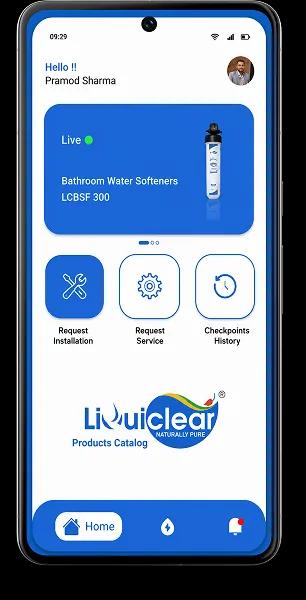
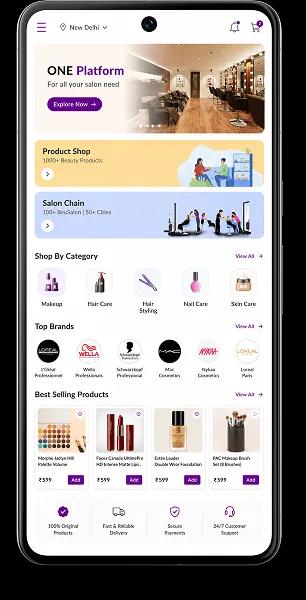
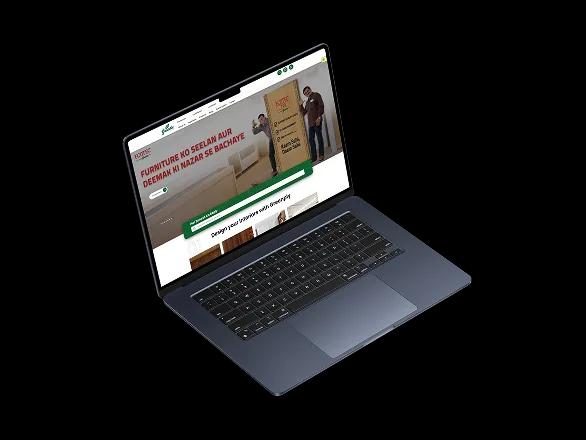
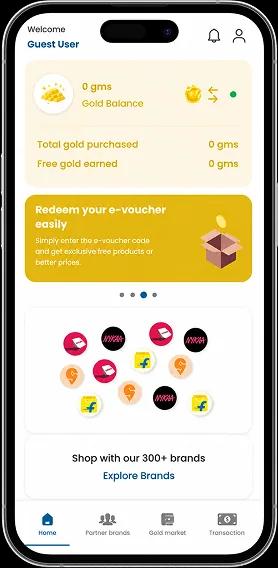
UI/UX Design Experts Help You Create StunningInterfaces Across Platforms!

We design digital experiences that don't just look impressive - they are strategically built to drive engagement, conversions, and long-term growth.

End-to-end UI/UX design

900+ products delivered

Trusted global clients

150+ expert team

Conversion-focused UX design

Seamless design-to-development

UI/UX Design & Development Services We Offer

Every engagement starts with research, gets validated with real users, and ends with a handoff developers can implement with clarity.

User Research & UX Strategy

We dive deep into user behaviors and market gaps to form a strong foundation for your product.

Wireframing & Prototyping

Rapid ideation and structural planning to visualize the core journey before writing any code.

Mobile App UI/UX Design

Designing intuitive, touch-friendly interfaces that keep mobile users engaged and converting.

Website UI/UX Design

Creating visually stunning, accessible, and fast-loading web experiences for all screens.

Enterprise UX Design

Simplifying complex workflows for internal tools, B2B platforms, and large-scale systems.

IoT & Wearable UI/UX Design

Designing seamless control panels and companion apps for connected devices and hardware.

Design System Creation

Building a scalable, reusable library of components to keep your product consistent as it grows.

UX Audit & Redesign

Evaluating your existing product to uncover friction points and redesigning it for better performance.

Not sure which service fits your situation?

Tell us about your product and we'll map the right design approach.

How We Work - Our UI/UX Design Process

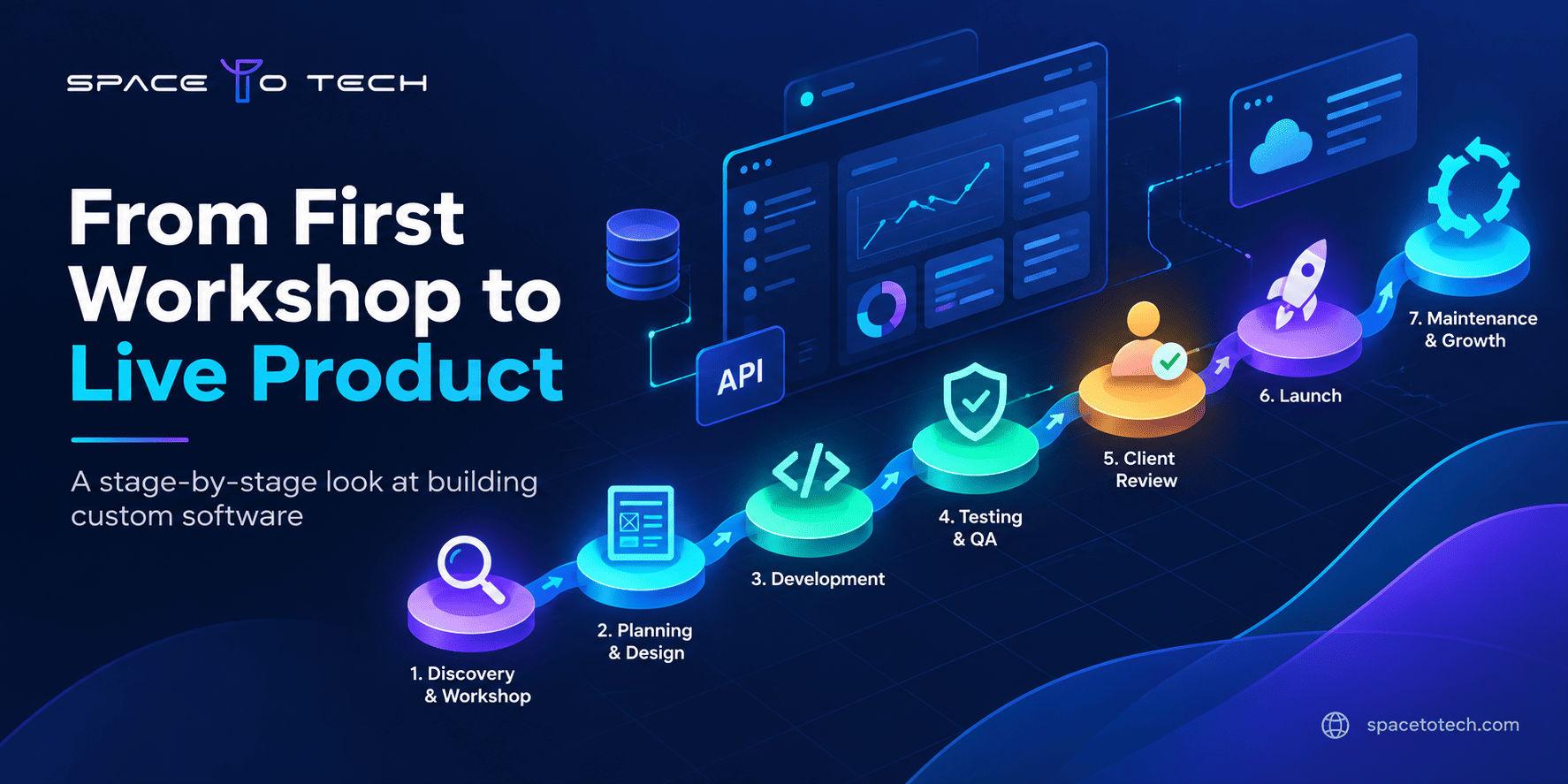
SpaceToTech follows a research-first design process on every project so decisions are documented, measured, and tied to product outcomes.

1. Discovery & User Research

We begin with stakeholder interviews, user research, and competitor analysis to define real user needs and remove guesswork early.

2. Information Architecture

We structure product maps, flows, and navigation so users can find what they need quickly and naturally.

3. Wireframing & Prototyping

Low and high-fidelity prototypes validate layout and interactions before development starts, reducing expensive rework.

4. Visual UI Design

We craft polished, accessible interfaces aligned to your brand, then hand off clear specs your dev team can ship confidently.

UI/UX Design for Every Industry
Vertical-Specific Design Expertise

We avoid generic design approaches. Each industry gets tailored UX decisions for usability, performance, and business impact.

Telecom

Telecom

Complex plans, billing, and support flows need clarity. We design telecom experiences that reduce confusion and increase self-service success.

Why Businesses in USA, UK, UAE & India Trust SpaceToTech for UI/UX Design

Most design companies sound similar on paper. Here's what actually separates execution quality from sales promises.

CMMI Level 3 Certified - What That Means for Your Project

  • • Predictable milestones and reduced design-to-dev confusion
  • • Research-backed decisions, not visual guesswork
  • • Structured handoff and documentation your team can execute fast
SpaceToTech UI UX process

UI/UX Design Tools & Technologies

The tools a design team uses tell you a lot about delivery quality and collaboration speed.

FigmaAdobe XDInVisionMazeHotjarZeplinProtoPie / PrincipleSketch

Primary design, prototyping, and handoff tools keep client teams in sync with comments, history, and dev specs in one place.

Figma
InVision
Enzyme
Adobe XD
Hotjar
Fingerprint
Miro
Sketch
Firebase

Frequently Asked Questions About UI/UX Design Services

What is UI/UX design?

+

UI design focuses on visual interface elements, while UX design focuses on user flow, clarity, and usability. Together they make products easier to use and better at converting users.

How much does UI/UX design cost in India?

+

Cost depends on product scope, number of screens, and research depth. A small module can be done quickly, while full-product UX with testing and design systems takes more time and budget.

How long does a UI/UX project take?

+

Typical timelines range from 3-6 weeks for focused redesigns to 8-12 weeks for end-to-end product UX including discovery, wireframing, UI design, and handoff.

Do you provide wireframes and clickable prototypes?

+

Yes. We create low and high fidelity wireframes, interactive prototypes, and user flow maps so product and engineering teams can validate before development starts.

Can you redesign an existing product?

+

Yes. We audit your current UX, identify drop-offs and friction points, then redesign the experience for better engagement, retention, and conversions.

UI/UX Design Services Across USA, UK, UAE, Australia & India

Build high-performance design systems with a dedicated UI/UX team that supports your product from concept to launch.

World Map

INDIA

India-based UI/UX teams at SpaceToTech support startups and enterprises with research, wireframes, design systems, and product-ready handoff. The model is cost-effective, but more importantly, process-driven.

Leading Excellence in UI/UX Design & Product Experiences

Our case studies are driven by measurable product outcomes. Explore how focused UX strategy and visual design improved engagement, trust, and business performance.

Max Life Insurance

Transforming Digital Insurance Experience

The Problem

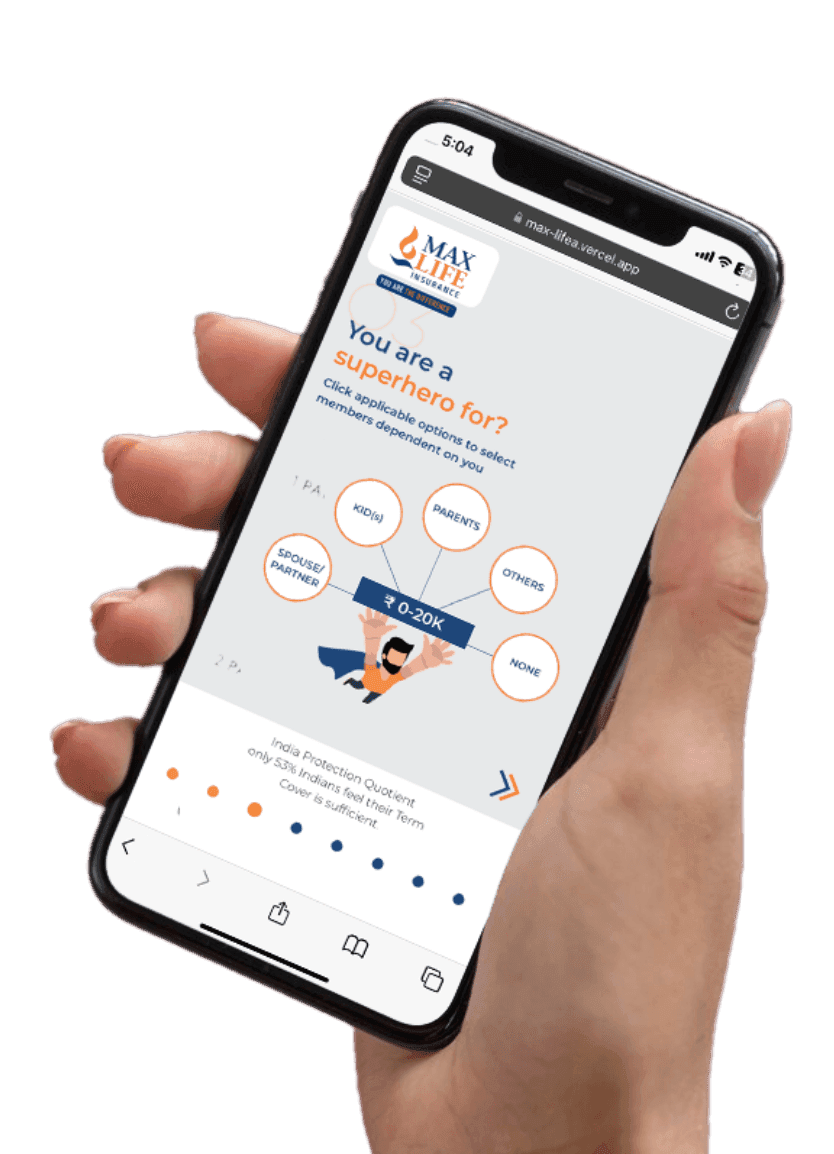
Max Life Insurance aimed to modernize its digital platform to deliver a seamless and user-friendly experience. The existing system lacked intuitive navigation, real-time tracking, and personalized features.

Our Approach

Our team developed a high-performance, user-centric digital platform with intuitive UI/UX, secure architecture, real-time policy tracking, and seamless third-party integrations.

What We Achieved

  • Improved user engagement and retention
  • Faster and seamless policy management
  • Enhanced customer experience with better UX
  • Scalable platform supporting growing users
Max Life Insurance App

We’ve been helping Customer globally

So how does it work? Check for yourself by their feedback.

Client Feedback

Supporting Insights

How to Build an On-Demand App Like Uber in 2026

How to Build an On-Demand App Like Uber in 2026: Features, Tech Stack & Cost

The on-demand economy isn’t slowing down — not even close. A PwC report pegged the global market at over $335 billion, and that was before the post-pandemic wave of app-based services really hit its stride. If you’re figuring out how to build an on-demand app like Uber , you’re not late. The category keeps expanding into new verticals, new geographies, new problems worth solving. The Uber model — connecting users to service providers through a mobile app, in real time — has become something of a default blueprint. It started with rides, obviously. But the same framework now powers food delivery, at-home healthcare, same-day logistics, even beauty services. It turns out that “tap a button, someone shows up” is a pretty compelling value proposition regardless of industry. This guide covers what you actually need to build an app like Uber : the features that matter, the tech stack that makes it work, what it costs (specifically the on demand app cost India founders ask about most), and a realistic step-by-step path from idea to launch. At Space To Tech, we’ve helped startups and enterprises build on-demand platforms that actually scale — so what’s here comes from real projects, not hypotheticals. What Is an On-Demand App, Really? At its core, an on-demand app connects users with service providers in real time, usually through a mobile interface. Someone taps, and something happens — a car arrives, a package moves, a doctor joins a call. Simple concept, but the underlying architecture is almost always three-sided. There’s the user app — the person booking a ride, ordering groceries, or scheduling a plumber. There’s the service provider app — the driver, courier, or vendor on the other side. And then there’s the admin panel , the business owner’s control room: managing bookings, handling disputes, tracking commissions, watching analytics. You see this structure everywhere. Uber and Ola for rides. Swiggy and Zomato for food. Urban Company for home services. Practo for doctor consultations. The on demand app business model works because it strips out friction — users get what they need faster, providers get a steadier stream of work, and the platform earns a cut of every transaction without owning cars, kitchens, or anything else. That last part is what makes it so capital-efficient and so repeatable across verticals. Uber Like App Features List: What Your App Actually Needs Before anyone writes a line of code, you need a clear picture of what goes into the product. Not a wish list — an honest breakdown of what’s load-bearing versus what can wait. Here’s how it falls across the three panels. User App Social login and registration. Nobody wants to fill out a form. Google, Apple, and phone OTP sign-ins cut drop-off at the very first step — and that drop-off is higher than most founders expect. Real-time GPS tracking. Live location of the driver or delivery person is one of those features that seems obvious until it’s missing. It reduces “where is my order?” support volume more than almost anything else. Booking and scheduling. Instant booking works well for rides. But in healthcare or home services, users often want to schedule 24 hours ahead. Your app needs to handle both without awkward workarounds. In-app payments. UPI, cards, wallets — all of it. Multiple payment gateways aren’t optional in 2026; they’re expected. A user who can’t pay their preferred way will just leave. Ratings and reviews. This one does double duty. It builds accountability on both sides, and it’s the most organic way to filter out low-quality providers over time. Push notifications. Useful when used carefully. Booking confirmations, ETA updates, the occasional promotion. Overdo it and users turn them off entirely — which defeats the point. Service Provider App This panel gets less design attention than the user app in most projects, which is a mistake. Providers are running their livelihood through your app. The experience has to be efficient, fast, and transparent. Profile and document upload. Drivers and vendors need to submit credentials during onboarding. You’ll want a verification queue on the admin side — don’t let this become a manual inbox nightmare. Accept / reject booking. Providers need control over what they take on, especially in services where job complexity varies. No control here means provider churn. Live navigation. Deep-linked maps — Google Maps, Waze — cut arrival times and reduce missed bookings. Any serious driver on demand app development services build treats this as a core feature, not an add-on. Earnings dashboard. Providers want visibility into what they’re making: daily, weekly, monthly. Transparency here directly affects retention. When people don’t trust the numbers, they leave. Availability toggle. A simple on/off switch. Obvious, but it needs to be done well — providers shouldn’t have to log out to stop receiving requests. Admin Panel The admin panel is the part nobody talks about until they need it badly. It’s the back-office engine of the platform, and without a good one, growth becomes chaos. User and driver management. Booking history with full audit trails. Commission and pricing controls that a non-developer can actually use. Analytics — revenue by day, top providers, peak hours, drop-off points. And a real dispute resolution workflow, not a shared inbox where complaints go to die. How to Build an On-Demand App Like Uber — Step by Step Here’s the process we follow at Space To Tech when a client comes in with an on-demand idea. It works whether you’re building ride-hailing, last-mile delivery, or something more niche. Step 1 — Pick a Niche and Commit to It The most common mistake founders make is trying to build a “general” on-demand app. It doesn’t work. Uber started in San Francisco with black cars. Swiggy started in Bengaluru. Dunzo launched in one neighborhood. They expanded once they had real traction — not before. Before spending anything on development, answer the basics: Which vertical are you in? Who exactly is your user? Have you talked to 20 or 30 real potential users, or are you working from assumptions? What’s your revenue model — commission per booking, provider subscription, surge pricing, something else? That last question especially shapes backend architecture, so it needs an answer before you write a spec. Step 2 — Choose the Right On-Demand App Business Model Aggregator model (Uber, Swiggy) — You connect users with independent providers. You don’t employ anyone or own the underlying supply. Revenue is a commission on every transaction. Lower operational risk, but quality control depends on your rating system and onboarding standards. Service provider model (Urban Company in some categories) — You manage the workforce more directly. Higher quality control, higher overhead. Makes sense in categories where consistent quality is hard to guarantee through aggregation alone. Hybrid — You aggregate in some verticals, employ directly in others. This can work at scale, but early-stage it’s operationally complex. Most startups should avoid it until they have real momentum. For early-stage, the aggregator model is almost always the right starting point. It’s capital-efficient and lets you grow supply and demand at the same time. Step 3 — Plan Your On-Demand App MVP Development With Discipline MVP planning is where a lot of projects go sideways. People hear “minimum viable product” and design a smaller version of everything they wanted to build. That’s not what it is. An MVP is a focused test of one specific hypothesis. For a ride-hailing app, that might mean user booking, driver acceptance, GPS tracking, and cash payment. No ratings. No promo codes. No referral system. Just the core loop, working reliably. A well-scoped on demand app MVP development — user app with booking, tracking, and payment; provider app with accept/reject, navigation, and earnings view; admin panel with booking history and basic management — can go from design to launch in three to five months. Founders who try to launch with everything tend to launch with nothing. Scope creep kills timelines, and timelines kill startups. Step 4 — On-Demand App Tech Stack 2026: What Actually Works Frontend: React Native or Flutter. Both give you iOS and Android from a single codebase. React Native has a larger ecosystem; Flutter tends to have smoother UI performance. Either works — the choice often comes down to team familiarity. Backend: Node.js for real-time, event-driven features like live tracking and instant notifications. Python if you’re building ML features down the road — demand prediction, dynamic pricing, that kind of thing. Database: PostgreSQL for structured transactional data (bookings, payments). MongoDB if your data model is still evolving and you’re iterating fast on schema. Real-time tracking: Google Maps API for maps and routing; Socket.io for live bidirectional updates between apps. Payments: Stripe for international. Razorpay for India. Both have solid SDKs and fraud protection built in. Infrastructure: AWS or Google Cloud. Both scale horizontally. Both have managed services for databases, CDN, and serverless. Pick the one your team knows. Step 5 — Design for Pressure, Not Ideal Conditions On-demand apps get used while people are crossing streets, between meetings, one-handed at the grocery store. The design has to be fast, obvious, and forgiving. A few things that specifically matter in this category: Map-first interfaces work better for ride and delivery apps — the map effectively is the homepage. The provider app and user app serve completely different mental models and should be designed separately, not as variations of the same screen. Booking flows should be three taps or fewer wherever possible. At Space To Tech, we start every on-demand project with user journey mapping before anyone opens Figma. It sounds slow. It saves weeks of rework. Step 6 — Build, Test, Ship (and Repeat) We work in two-week Agile sprints. Each sprint ends with a working, testable build — no big-bang releases where six months of work ships at once. This catches problems early and lets you adjust scope without wrecking the budget. QA for on-demand apps isn’t just clicking through screens on a desk. You need GPS accuracy testing in real-world conditions. Load testing — what happens when 500 users book simultaneously? Payment flow testing across multiple gateways and failure scenarios. Device fragmentation testing, especially on Android where the active device configurations number in the hundreds. After internal QA, a beta with a small group of real users is worth more than any amount of lab testing. Real users find edge cases no QA engineer would think to create. On-Demand App Cost India — What You’re Actually Looking At The cost to develop an app like Uber in India typically runs between ₹15 lakhs and ₹60 lakhs — roughly $18,000 to $75,000 USD — depending on scope, number of platforms, and team structure. That’s a wide range because the scope varies enormously. US and UK agencies often quote six figures for equivalent work. The on demand app cost India advantage is real: you’re getting the same caliber of development talent at 60–70% lower hourly rates. That difference compounds significantly over a five-month project. On-Demand App Development Cost Breakdown  Component  Estimated Cost (India)  Timeline  UI/UX Design  $1,500 – $4,000  2–4 weeks  User App (iOS + Android)  $8,000 – $20,000  8–12 weeks  Driver / Provider App  $6,000 – $15,000  6–10 weeks  Admin Panel  $4,000 – $10,000  4–6 weeks  Backend & APIs  $5,000 – $12,000  6–10 weeks  QA & Testing  $2,000 – $5,000  3–4 weeks  Total (MVP)  $18,000 – $55,000  4–6 months A few things that move the number up or down: Number of platforms. iOS only is cheaper than iOS + Android. A single-platform MVP can validate your idea faster and at lower cost. Real-time features. Live GPS tracking and in-app chat add meaningful backend complexity. Socket-based infrastructure requires more server resources and careful load management. Payment gateway complexity. A single gateway is straightforward. Multi-currency or multi-gateway setups add both development time and compliance overhead. Third-party API integrations. Every external API — maps, SMS, KYC, analytics — adds integration and testing time. They add up faster than people expect. Team location. Senior developers in the US or UK run $100–$200/hr. Equivalent profiles in India are $25–$50/hr. Over a five-month project, that gap is substantial. On-Demand Delivery App Development — Which Type Are You Building? On demand delivery app development isn’t one-size-fits-all. The category you’re building in changes the feature set, the matching logic, sometimes the whole architecture. The five major types: Ride-hailing (Uber, Ola model). Real-time GPS, dynamic pricing, fast matching. The driver app matters as much as the user app. This is the purest form of on-demand. Food and grocery delivery. Three-way logistics — user, restaurant or store, delivery partner. Order batching, estimated prep times, and multi-stop delivery add backend complexity that ride-hailing doesn’t have. Home services (cleaning, plumbing, beauty). Scheduling is the critical challenge. Users typically book 24–48 hours out, so provider availability calendars and cancellation management become core features, not afterthoughts. Healthcare on-demand. Doctor consultations, medicine delivery, diagnostics. Compliance requirements — HIPAA in the US, data localisation rules in India — add a legal layer that most other categories don’t face. This one requires more planning upfront. Logistics and fleet management. B2B-focused. Route optimisation, multi-package tracking, proof-of-delivery. The user experience is less consumer-friendly and more operationally dense. Why Build Your On-Demand App With Space To Tech? When you work with Space To Tech, you’re working with a team that’s spent over a decade building mobile and software products for clients across the US, UK, UAE, and India. We’ve built across all five categories described above — which means we’ve already hit the edge cases, and we know where they tend to appear. Our on demand app development solutions cover ride-hailing, logistics, healthcare, food delivery, and home services. And for founders based in the US specifically, our on demand app development solutions in USA engagements are structured to match your timezone, communication style, and quality expectations — without the domestic agency price tag. The process: We spend the first week on discovery — understanding your business model, your users, your constraints — before we estimate anything. We build cross-platform apps in React Native and Flutter. Our design and QA teams work in parallel with development, not sequentially, which is how timelines stay manageable. And we don’t disappear after go-live; ongoing support and iteration are part of how we work. Ready to Build Your On-Demand App? If you’ve been researching how to build an on-demand app like Uber , you already know the path: pick a niche, validate the idea, choose the right business model, plan a disciplined MVP with proper on demand app MVP development thinking, select a proven tech stack, and build with a team that actually knows the domain. The cost advantage of building with an India-based team is real and it compounds. Senior talent at rates that make your runway go further matters a lot at the stage where most on-demand startups are operating. If you’re planning a build or scaling something that’s already live, let’s talk. The earlier we understand your constraints and goals, the more useful we can actually be. Talk to our experts at Space To Tech today.

April 28, 2026

Read More..
How to hire top software developers in India from USA UK UAE Space to Tech tech banner

How to Hire Top Software Developers in India from the USA, UK & UAE

India turns out over 1.5 million engineering graduates a year. That number is striking on its own — but the more interesting question is what’s actually driving it. Thousands of companies hire their most critical software development teams from India every year, quietly, without making a big announcement about it. And there’s a pretty straightforward reason for that. Hiring locally — in the USA, UK, or UAE — is expensive. Painfully so. A senior engineer in Silicon Valley or London can cost $150,000+ in salary before you add benefits, office overhead, and the recruiting fees that pile up during a six-month search. India’s software development ecosystem, meanwhile, has been growing for decades. These aren’t junior “offshore” teams churning out quick fixes. Indian software engineers build infrastructure for Fortune 500 companies, power enterprise SaaS platforms, and ship mobile apps used by tens of millions of people worldwide. This guide is a practical walkthrough: who to look for, what it actually costs, how to run the hiring process, and how to avoid the mistakes that derail most first attempts at building a remote developers setup. Whether you’re a startup founder in Austin, a CTO in Manchester, or scaling a team from Dubai — the framework here applies. What Is a Software Developer? (And What Do They Actually Do?) The short answer: a software developer turns an idea into something that works. But the role is more varied than most people assume when they first start thinking about it. Front-end developers build what users see — interfaces, layouts, interactions. Back-end developers handle everything behind the scenes: servers, databases, APIs, the logic that actually makes things run. Full-stack developers work across both. Mobile specialists build for Android iOS app development . And then there’s a growing category of engineers with deep expertise in AI machine learning blockchain — technologies that are actively reshaping whole industries, not just individual products. Knowing which type of software developer your project actually needs is the first real decision. The sections below help you figure that out — and then do something about it. What Skills Do Software Developers Have? A Checklist for Hiring Managers Before you start evaluating anyone, it helps to know exactly what you’re looking for. Experienced developers combine technical depth with professional habits — and in a remote setup, both matter equally. On the technical side: proficiency in relevant languages (Python, JavaScript, Java, Ruby, Swift, Kotlin), hands-on experience with modern frameworks (React, Node.js, Django, Laravel, Rails), comfort across database environments, and solid familiarity with cloud platforms. These are baseline requirements for any software developer worth hiring. The professional side is where things get more nuanced. Software engineers who work well with international clients tend to have strong written English, a structured approach to async communication, and the discipline to document their work. These aren’t soft extras. In a remote developers arrangement, a sloppy communicator costs you more in rework and confusion than any technical shortcoming would. At SpaceToTech, every developer on the development team is pre-vetted against both lists before they meet a client. You’re not sorting through a pile of CVs and hoping for the best. Why Hire Software Developers in India? 7 Reasons That Actually Make Business Sense The case for hire software developers in india isn’t purely about cost — though the cost difference is real and significant. Here’s the fuller picture. 1. The cost advantage is substantial — without a quality trade-off. Indian developers are paid a fraction of what equivalent software developers in the USA or UK command. That gap doesn’t reflect a gap in capability; it reflects a difference in local market rates. When you hire software through the right partner, you get the output quality without the inflated price tag. 2. The talent pool is genuinely enormous. India produces more engineering graduates annually than most countries have working in their entire tech sector. The specialist depth — from full-stack to AI machine learning blockchain — is difficult to match at this scale anywhere else in the world. 3. English is not a barrier. India is one of the world’s largest English-speaking countries. Professional communication with indian developers who regularly work with Western clients is rarely the friction point people assume it will be. 4. Time zone overlap is workable. Indian Standard Time aligns well with UAE business hours and gives UK teams a meaningful morning or evening crossover. US companies often find an async rhythm that keeps software development moving around the clock. It’s one of the underappreciated advantages when you hire remote talent from India. 5. The IT ecosystem is government-backed and mature. India’s tech sector has been strategically developed for decades. Infrastructure, regulation, and education have all evolved to serve professional offshore developers at scale. This isn’t a side-hustle market. 6. Enterprise track record. Indian software engineers work across fintech, healthtech, SaaS, logistics, and e-commerce — often on systems used by millions of people globally. The experience base is real. 7. Cultural alignment with Western clients. Years of working with USA, UK, and UAE companies hire teams from India precisely because of this: a professional culture that values deadlines, documentation, and clear communication. That’s not something you get from unstructured freelance developers markets. Why Hire Dedicated Developers Instead of Freelancers or Local Hires? When businesses first explore hire remote options, they usually compare three models: freelance developers , local in-house recruiting, and dedicated software teams. All three have their place. They’re just not equally suited to every situation. Freelance developers are fast to engage and fine for isolated, well-defined tasks. But they juggle multiple clients, offer limited accountability, and rarely invest in your product’s long-term architecture. IP protection is also harder to enforce in a freelance developers arrangement, which matters more than most founders realize until it’s too late. Local in-house hiring software developer gives you proximity and cultural familiarity, but comes with steep salary overhead, slow recruiting timelines, and fierce talent competition — especially in cities like New York, London, or Dubai, where salaries for software developers have climbed sharply in recent years. Dedicated software developers occupy the best-of-both position. They work exclusively on your project, treat your goals as their own, and operate within a structured performance framework. You get full transparency, milestone-based delivery, NDA protection from day one, and a development team that scales with your roadmap — without the overhead of permanent employment contracts. For startups and growing businesses looking to hire dedicated talent from the USA, UK, and UAE, this model consistently outperforms the alternatives. It’s also exactly how SpaceToTech is structured to work. How Much Does It Cost to Hire a Software Developer in India? This is the question most hiring managers ask first — and the honest answer is: it’s genuinely encouraging. How much does it cost to hire a software developer depends primarily on experience level and the engagement model you choose. Here’s how the numbers break down.    India (SpaceToTech)  USA / UK  Junior Developer  $9 – $15/hr  $50 – $70/hr  Mid-Level Developer  $15 – $25/hr $75 – $100/hr   Senior Developer  $25 – $45/hr  $100 – $160/hr  3-Month MVP Sprint (2 devs)  $12,000 – $22,000  $45,000 – $70,000+  App Dev (mid-complexity)  $10,000 – $30,000  $60,000 – $150,000+ How much does it cost to hire an app developer in India ? For a mid-complexity android ios app development project, you’re typically looking at $10,000 – $30,000 with a dedicated team in India. The same project quoted in the USA or UK often comes in at $60,000 – $150,000 or more. That’s not a minor difference. A real scenario: a three-month MVP sprint with one full-stack software developer and one front-end specialist. In the USA, that engagement might cost $45,000–$70,000. Through SpaceToTech, starting from $9/hour, the same sprint can be delivered for $12,000–$22,000 — with the same technical standards and more structured communication built into every step. The cost savings are real. The quality is equally real. How Much Do Software Developers Make in India? Salary Benchmarks Understanding what indian developers earn locally helps you hire software with genuine confidence. You’re not exploiting a cost differential — you’re participating in a growing market where software developers salaries have risen meaningfully year over year.  Experience Level  Annual Salary (INR)  Approx. USD/Year  Junior Developer  ₹4 – 8 LPA  $5,000 – $10,000  Mid-Level Developer  ₹10 – 20 LPA $12,000 – $24,000   Senior Developer  ₹22 – 40 LPA $27,000 – $48,000  AI / ML / Blockchain Specialist  ₹30 – 60 LPA+  $36,000 – $72,000+ When you hire software developers through a structured partner like SpaceToTech, developers india are compensated at or above local market rates. That matters. Motivated, fairly paid software engineers consistently produce better work — and they stick around longer, which protects your product continuity. Full Tech Stack & Expertise Available When You Hire Indian Developers One of the most persistent misconceptions about offshore developers is that Indian software development teams specialise in only a handful of technologies. In reality, the breadth of available expertise across India’s mature ecosystem is genuinely remarkable. Here’s what SpaceToTech brings across its dedicated bench: Full-Stack Development: Engineers who command both front-end (React, Vue, Angular) and back-end (Node.js, Django, Laravel) layers — ideal for development team s that need end-to-end product ownership. React Development: Specialists in fast, accessible, visually polished web interfaces. Ruby on Rails: Rapid software development for SaaS products and marketplaces where speed to market is critical. E-commerce Developers: Custom Shopify, WooCommerce, and headless commerce builds for brands that need performance at scale. CMS & Framework Specialists: WordPress, Webflow, Contentful, and beyond — for content-heavy businesses and enterprise software solutions . Machine Learning & AI: Data scientists and ML engineers building recommendation engines, NLP pipelines, predictive models. This is where AI machine learning blockchain expertise genuinely shines. Android and iOS App Development: Native and cross-platform (React Native, Flutter) mobile specialists who deliver polished, App Store-ready products. Database Management: Engineers working across PostgreSQL, MySQL, MongoDB, Redis, and cloud-native solutions. Blockchain Development: Smart contract developers and Web3 engineers building on Ethereum, Solana, and emerging Layer 2 ecosystems. How to Hire Software Developers in India: Step-by-Step Process If you’ve never done this before — or previous attempts have been frustrating — this framework makes the process of hiring software developer s predictable and repeatable. Six steps. Do them in order. Step 1 — Define your project scope and tech requirements. Before you speak to a single software developer , write down what you’re building, which technologies it requires, and what success looks like at the three-month mark. Vague briefs produce vague results, every single time. This is where most engagements quietly go wrong before they’ve even started. Step 2 — Choose your engagement model. Will you hire software hourly, on a fixed contract, or bring on a full dedicated software team? Dedicated teams work best for ongoing software development ; fixed contracts suit well-defined deliverables with a clear endpoint. Most clients who need a development team for longer than a month are better served by a dedicated arrangement. Step 3 — Shortlist companies or platforms. Rather than sorting through individual freelance developers , consider working with a trusted partner like SpaceToTech — a specialist in software solutions for businesses looking to hire developers from India. The operational complexity gets handled for you. Step 4 — Evaluate portfolios and run technical screening. Review real applications they’ve built. Speak with previous clients. Run a structured technical interview. Reputable companies hire only when transparency is offered upfront — portfolios without client references are a yellow flag. Step 5 — Run a paid trial sprint. Actual work is the most reliable signal you’ll get when hiring software developer s. A one-week paid sprint reveals communication style, code quality, and working rhythm far more accurately than any interview process alone. Don’t skip this step. Step 6 — Sign an NDA, agree on milestones, and onboard. Protect your IP before a single line of code is written. Establish clear milestones and payment terms. Use Slack, Jira, GitHub to maintain visibility. This is the non-negotiable final step every time you hire employees remotely — and it’s worth taking seriously. Companies That Hire Software Developers: In-House vs. Outsourcing Partners Not every company that needs great software solutions should build an in-house development team . For most growth-stage businesses in the USA, UK, and UAE, outsourcing to a specialist partner is faster and smarter. Understanding when each model makes sense is the key. Build in-house when your product is your core business, you have a long-term roadmap that justifies permanent engineering headcount, and you have the HR infrastructure to hire employees , manage them, and retain them over years. That’s a real commitment. Outsource to a partner when you need to move quickly, stay lean, and access specialist software development skills without the overhead of full-time employment. MVP builds, project-based work, and long-term product iterations are all well-served by the right software solutions partner. This is where offshore developers and dedicated software teams genuinely earn their place. What separates great companies hire for — the ones that become real long-term partners — from average ones comes down to a few signals: portfolio transparency, structured communication cadence, clear NDA and IP protection policies, and a commitment to post-delivery support. The best indian developers partners don’t disappear after launch. That’s table stakes, not a bonus. How to Hire Software Developers for Startup: What You Must Know First Startup hiring software developer s is a different game entirely. You need speed, flexibility, and people who know how to build lean. You also can’t afford to get the first hire badly wrong — there’s usually no margin for a six-week mistake. A few things every startup founder should understand before they hire indian developers: Start lean, build fast. Your first development team doesn’t need to be large. A single skilled full-stack software developer paired with a solid project manager can ship a respectable MVP in eight to twelve weeks. That’s the MVP mindset. Pay cash, not equity, for remote hires. Equity arrangements are legally complicated across international borders. Pay fair market rates in cash and keep your cap table clean when you hire remote talent. Protect your IP from day one. NDAs, IP assignment clauses, work-for-hire agreements — all of it needs to be in place before any code is written. Milestone-based payments give you leverage. Essential when you hire dedicated talent internationally. Avoid over-engineering. The best startup software engineers understand MVP discipline as well as technical craft. Look for experienced developers who know when not to build, not just how to build. Use dedicated developers, not freelancers. At this stage, you need someone completely focused on your problem. Freelance developers split their attention across multiple clients. That’s a risk you don’t want on an early-stage product. Hire Software Engineers in India to Turn Complexity into Clarity At SpaceToTech, the operating philosophy is simple: dedicated software developers who think in outcomes. Not ticket-closers. Not code-pushers. Software engineers who understand what you’re actually trying to achieve and take genuine ownership of getting there. Every member of the SpaceToTech bench has passed rigorous technical and communication screening. For companies exploring how to hire software developers in India , SpaceToTech offers a reliable and proven approach. Clients who hire top software developers in India through SpaceToTech work with Indian developers who are time zone–aware, deadline-driven, and genuinely invested in product outcomes — not just sprint velocity. What you get: A client-first engagement model where your priorities shape every sprint Senior-level software engineers across the full modern technology stack Transparent, structured communication with regular software development updates Time zone -friendly working windows built for USA, UK, and UAE teams A dedicated software team that treats your product with the same care as their own More Tech Talent, More Speed, Same Trusted Partner — Get Started Today The decision to hire software developers india comes down to three things: cost, talent, and scale. India delivers all three — better than almost anywhere else. SpaceToTech is the bridge that connects you to that talent without the friction, guesswork, or risk of navigating offshore developers alone. Whether you’re building your first product, scaling an existing development team , or looking to reduce software development costs without reducing quality — the starting point is simpler than you think. Start from just $9/hour. Hire your dedicated developer today. Explore SpaceToTech’s software solutions : React Development | Full-Stack Teams | Machine Learning Engineers | Android and iOS App Developers.


April 21, 2026

Read More..
Top Mobile App Development Companies for Super Apps & Mini-Apps in 2026

Top Mobile App Development Companies for Super Apps & Mini-Apps in 2026

The mobile app space has been shifting for a while, but it’s only recently that the change has felt… noticeable in practice, not just in reports or trends, but in how products behave after launch. A few years ago, building a mobile application was mostly about getting something functional out there. If users could install it, open it, and complete a task, that was already considered success. Now, that expectation feels outdated. Businesses investing in mobile app development are thinking beyond launch. They’re thinking about scale, user behavior over time, integrations, and things that don’t always show up in the early stages. That’s where things get slightly complicated. Not dramatically, just… layered. A lot of app development companies still approach projects in a fairly standard way. Requirements, development, delivery. It works, but only up to a point. Once real users start interacting with the product, patterns shift. Unexpected usage, performance dips, edge cases. That’s when experienced mobile app developers start to make a difference—not just in fixing issues, but in how those issues were anticipated earlier. Choosing between different app development companies isn’t as straightforward as it used to be. On the surface, many look similar. Similar portfolios, similar tech stacks, similar promises. But those similarities fade once execution begins. Some teams adapt quickly, others struggle to adjust. And that’s really what separates the top mobile app development companies . Not the launch, but what happens after. What Are Super Apps & Mini-Apps? (Why They Matter in 2026) Super apps didn’t arrive suddenly—they sort of evolved into relevance. One feature at a time, one integration at a time. Now they define how users expect mobile apps to behave. Instead of thinking, “Which app should I open?” users expect a single mobile application to handle multiple needs. Payments, bookings, messaging, and sometimes even services that don’t seem connected at first. Mini-apps are part of this structure. They sit inside the main system, lightweight and easy to access. No installation, no commitment. You open them, use them, and move on. It sounds minor, but it noticeably changes user behavior. People try more features when the barrier is low. That’s why these ecosystems feel smoother as mobile solutions . From a business perspective, the advantages are fairly clear—lower acquisition costs, better retention, and longer engagement time. But building this kind of system isn’t just about adding features. It requires thoughtful app development , especially in how components interact with each other. The complexity increases when working across Android and iOS app platforms. These environments don’t behave identically. Performance expectations differ, system limitations vary, and aligning them under one experience takes effort. That’s why companies building modern mobile apps are becoming more selective about who they work with. Not just for development, but for long-term stability. What to Look for in Top App Development Agencies If you spend time comparing top app development agencies , you’ll notice a pattern. Most of them present themselves in a very similar way—clean portfolios, structured case studies, confident messaging. It all looks right. But it doesn’t always reflect how projects actually unfold. A strong app development company focuses less on presentation and more on execution. Their app development services should cover the full lifecycle, but also adapt when things shift. Because they will shift. Requirements change, priorities move, sometimes mid-way through development. The development process becomes important here. Too rigid, and it breaks under pressure. Too flexible, and it loses direction. Good teams sit somewhere in between. Not perfectly balanced, but stable enough to keep progress consistent. Then there’s the technical side. Solid software development isn’t about using every available tool. It’s about choosing the right ones and knowing when to avoid unnecessary complexity. Some app development companies overbuild systems, which feels impressive at first, but creates issues later. And then there’s the idea of a development partner . It sounds simple, but it’s not always real. A true partner stays involved, questions assumptions, and helps guide decisions. That difference becomes clearer over time, not immediately. Leading Mobile App Development Company in India India has steadily become a major hub for mobile app development , and not just because of pricing. That’s still a factor, but it doesn’t explain why so many global companies continue to rely on teams here. The bigger shift comes from experience. Many mobile app developers in India have worked across industries and geographies, which changes how they approach projects. Instead of solving problems from scratch every time, they’ve already seen variations of them before. That shows up in decisions — sometimes small ones — that prevent larger issues later. If you look at some of the top indian app development companies , the difference isn’t just what they build. It’s how they handle complexity when things don’t go exactly as planned. Leading companies and what they’re known for: SpaceToTech SpaceToTech operates as a mobile app development company in India focused on building scalable and adaptable applications across industries like fintech, healthcare, logistics, and SaaS. The approach isn’t rigid — projects are shaped based on real requirements, not fixed templates. This flexibility helps when things change mid-development, which they usually do. Over time, the focus stays on building systems that continue to perform, not just apps that launch successfully. Whether you're building a fintech platform or a healthcare solution, SpaceToTech stands out as a top app developer in India known for delivering systems that scale with your business. Appinventiv Appinventiv is known for handling enterprise-scale projects and complex digital transformation work. They often work with large organizations where integrations, security, and scalability are critical. Their strength lies in structured execution and the ability to manage long-term projects with multiple moving parts. This makes them a strong choice for businesses looking for stability in large builds. Hyperlink InfoSystem Hyperlink InfoSystem has delivered a high volume of mobile applications across different industries. Their approach leans toward speed and global delivery, which works well for companies looking to launch quickly. While the focus is on execution efficiency, they also bring experience from working with diverse project types and requirements. Fueled Fueled takes a more product-focused approach, especially for startups and consumer-facing applications. They emphasize design, user experience, and usability alongside development. This makes them suitable for businesses that prioritize product experience as much as technical execution. Across these app development companies in India , one thing stands out — tools and technologies alone don’t define quality. Being considered a leading mobile app development company in India comes down to consistency over time. Not one successful build, but the ability to handle different types of projects without losing stability. Because most problems don’t come from big decisions. They come from the smaller ones that didn’t seem important at the time. Mobile App Development Services There’s a common assumption that mobile app development services begin with coding. In reality, they start earlier. Much earlier, sometimes. Most effective development services begin with understanding the problem—what needs to be built, and just as importantly, what doesn’t. That second part is often overlooked. And later, it turns into unnecessary complexity. A structured mobile application development approach includes discovery, design, development, testing, and deployment. But in real projects, these phases don’t stay separate. They overlap. Feedback loops happen. Adjustments are made mid-way. A reliable app development company accounts for this. Their application development approach isn’t rigid—it evolves as the project progresses. That flexibility becomes important when dealing with integrations, APIs, and third-party systems. Modern mobile app development isn’t isolated. It connects with multiple systems, and those connections don’t always behave predictably. That’s where experienced app development services make a difference. Post-launch support also plays a bigger role than most expect. Many mobile apps continue evolving after release. Without ongoing updates, even well-built products can start to feel outdated. Android App Development Android app development gives businesses access to a massive user base. That part is obvious, almost everyone knows it. But what’s less obvious—until you actually build something—is how inconsistent the environment can be. An Android app doesn’t run on one device type. It runs across dozens, sometimes hundreds, of variations. Different screen sizes, different hardware capabilities, different OS versions. At first, this doesn’t seem like a big issue. Everything works fine during controlled testing. But once the app reaches real users, patterns start to shift. Performance may drop on older devices. Certain UI elements behave differently. These are not rare cases—they’re quite common. This is where experienced mobile app developers approach things differently. They don’t just build for ideal conditions. They try to account for less ideal ones too. Not perfectly, but enough to reduce friction later. A skilled app developer pays attention to optimization early, instead of treating it as a final step. Another factor is compliance. Google Play Store guidelines are not always straightforward. They change, sometimes subtly. A feature that worked before might need adjustments now. A reliable app development company usually keeps track of these changes during development, not after submission. There’s also the choice between native and cross-platform. Native Android (Kotlin, Java) offers deeper control, while cross-platform frameworks can speed up delivery. Both approaches have trade-offs. Good teams don’t force one over the other—they decide based on the product. Android development isn’t difficult in one clear way. It’s more like a collection of smaller challenges that build over time. And how those are handled early tends to define the long-term stability of the app. iOS App Development iOS app development feels more predictable compared to Android. Fewer devices, more consistency in hardware and software. But that predictability also raises expectations. Users expect things to just work—smoothly, quickly, without friction. An ios app is judged differently. Even small delays or awkward transitions stand out. Not because users analyze them technically, but because they’re used to a certain level of polish. When something feels off, they notice it almost immediately. That’s why experienced app developers treat iOS projects with a different level of attention. Design consistency becomes critical. Apple’s Human Interface Guidelines provide structure, but following them properly requires understanding—not just copying patterns. Security is another area where things can’t be overlooked. Data handling, permissions, encryption—these aren’t optional considerations. A strong mobile app development company ensures these are built into the system from the beginning, not added later. When working on android ios app development together, balance becomes important. The goal isn’t to make both platforms identical, but to make the experience feel consistent. That’s a subtle difference, but it matters. There’s less room for experimentation in iOS compared to Android. But that limitation often results in better, more refined products when handled correctly. Cross-Platform Application Development Cross-platform application development is often seen as the practical approach. One codebase, multiple platforms—it sounds efficient, and in many cases, it is. It reduces duplication, speeds up mobile app development , and simplifies updates. But the reality isn’t always as smooth as it sounds. While frameworks like React Native and Flutter have improved significantly, there are still cases where platform-specific adjustments are needed. Certain features behave differently on Android and iOS, even when built from the same codebase. That’s where experience plays a role. Good teams understand where cross-platform works well and where it might create limitations. They don’t treat it as a one-size-fits-all solution. For super apps, this approach is often preferred. It allows faster scaling and easier integration of features, which is important when building large mobile solutions . But even then, some components may still require native handling. Adding a web app layer extends functionality further. Users can switch between mobile and web without losing continuity. But again, this adds complexity—more systems, more dependencies. Cross-platform development works best when used thoughtfully. It’s not just about saving time or cost. It’s about knowing where flexibility matters and where precision is more important. iPad App Development & Wearable App Development iPad App Development iPad app development is often overlooked, but it serves specific use cases really well. Larger screens change how users interact with content. For enterprise tools, dashboards, and analytics platforms, this makes a noticeable difference. Working with complex data on a phone can feel cramped. On an iPad, it becomes easier to navigate, compare, and interact. That’s why many businesses extend their mobile applications to tablets—not as a replacement, but as an enhancement. The challenge is not just scaling the interface. It’s redesigning the experience to suit the screen. Simply stretching a mobile layout rarely works well. Wearable App Development Wearable app development operates on the opposite end of the spectrum. Smaller screens, shorter interactions. These apps focus on quick actions—notifications, health tracking, and reminders. They don’t aim to replace full mobile applications . Instead, they support them. For example, a fitness app might use wearables for real-time tracking while the main app handles detailed analytics. In super app ecosystems, wearables add another layer to mobile solutions . They make interactions faster and more accessible, especially for everyday tasks. Expand Your Reach to a Complete Suite of Devices Users don’t stay on one device anymore. They switch between phones, tablets, and sometimes a web app without really thinking about it. It’s just how things work now. That shift changes how products need to be designed. Web development and mobile strategies can’t operate in isolation. They need to connect, even if the connection isn’t perfect. Top providers of mobile app development services focus on creating a unified experience. Not identical across devices, but consistent enough that users don’t feel a disconnect. This is where full-spectrum development services become important. Instead of building separate systems, everything is planned as part of a larger ecosystem. It requires more effort upfront, but it reduces complexity later. And as user expectations continue to grow, this kind of approach becomes less optional and more necessary. Technologies We Use in Mobile App Development Technology choices play a big role in mobile app development , but not always in the way people expect. It’s not about using the latest tools—it’s about using the right ones for the situation. Modern software development often includes frameworks like React Native and Flutter for the frontend, with Node.js or Python on the backend. Databases like Firebase or MongoDB support scalable mobile applications . But tools alone don’t guarantee results. The development process determines how effectively they’re used. Poor structure can turn even good technology into a problem. Advanced capabilities like AI, IoT, and AR/VR add value when applied carefully. They shouldn’t complicate the system unnecessarily. Strong app development services focus on balance—using enough technology to support growth, but not so much that it becomes difficult to manage. How to Develop a Mobile App (Step-by-Step Process) Understanding how to develop a mobile app helps set realistic expectations. The process looks structured, but in practice, it’s more flexible than it appears. Step 1: Discovery & Market Research Everything starts with understanding the idea properly—what problem the mobile application is solving, who the users are, and why they would actually use it. Skipping this often leads to confusion later during mobile app development , when changes become expensive. Step 2: UI/UX Design Once the direction is clear, wireframes and user flows are created to shape how the app will feel and function. Good design is not just visuals—it quietly decides how smoothly users move through the mobile app , even if they don’t notice it directly. Step 3: Frontend + Backend Development This is where real app development begins. The frontend handles what users see, while the backend manages logic, databases, and integrations. Both parts need to stay aligned, otherwise the mobile application development process starts to feel fragmented later. Step 4: QA Testing (Manual + Automated) Testing is where assumptions meet reality. Bugs, performance issues, and edge cases usually show up here. A proper development process includes both manual checks and automated testing to make sure the mobile app behaves consistently across conditions. Step 5: App Store / Play Store Deployment Once everything feels stable, the app is prepared for launch. This includes store listings, compliance checks, and final optimizations. A careful development partner usually handles this step smoothly to avoid last-minute rejections or delays. Step 6: Post-Launch Support & Iterations After launch, real users start interacting with the product in unpredictable ways. Feedback, usage patterns, and performance data all feed into continuous improvements. This ongoing mobile app development phase is what keeps the app relevant over time. These steps often overlap. A reliable development partner helps keep things aligned even when changes happen mid-way. Top Mobile App Development Companies in India The top mobile app development companies in India don’t always stand out immediately. Their strengths become clearer over time—especially when systems scale and evolve. Choosing the right mobile app development company in India involves looking beyond initial impressions. Experience, adaptability, and long-term support play a bigger role than expected. Among various app development companies , SpaceToTech focuses on delivering scalable mobile app development services that evolve with business needs. If you’re looking for expert digital solutions for businesses , it might be time to take the next step. Looking for expert app development services for your super app idea? Connect with SpaceToTech today.

April 15, 2026

Read More..

SignUp for a Call: to transform your Ideas into Reality.

Let’s Book a free consultation call for you
Your’s first and The right Step!

UAE

INDIA

USA

Giphy Coming Soon

Coming Soon

You agree to our Privacy Policy

Get a Callback

We Serve Globally

Trusted development partner across USA, UK, Australia, UAE, and India

usServices in USA

React Native Development
Flutter App Development
iOS App Development
E-commerce Development
SaaS Development
IT Staff Augmentation