Custom iOS, Android & Cross-Platform Apps
iOS APP Development
High-performance iOS apps built with Swift for iPhone, iPad Apple Watch.
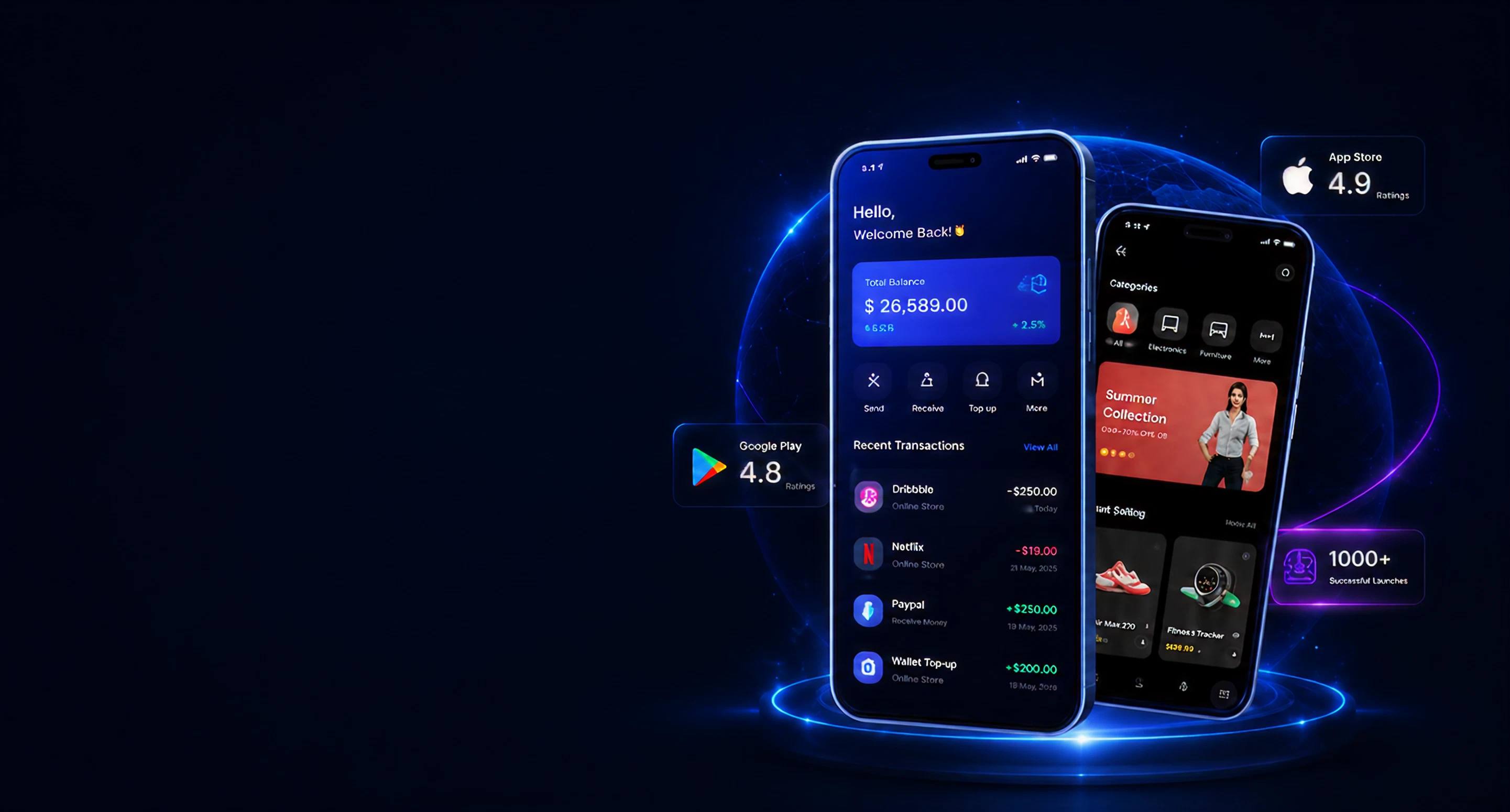
We build innovative, scalable, and high-performance mobile applications that help startups, enterprises, and global brands accelerate growth and deliver exceptional digital experiences.
0+
Projects Delivered
0+
Experts
0+
Years of Experience
0+
Countries
Trusted by startups and enterprises across India, USA & worldwide.





Our Services
We offer full-cycle mobile app development services tailored to your business goals.
High-performance iOS apps built with Swift for iPhone, iPad Apple Watch.

Feature-rich Android apps built with Kotlin for smartphones and tablets.

Cost-effective cross-platform apps using Flutter and React Native.

Beautiful, intuitive, and user-centric designs that drive engagement.

Seamless migration and app modernization for better speed and stability.

24/7 support and maintenance to ensure smooth app performance.
Here is the uncomfortable truth about the top mobile app development companies in India: the genuinely good ones and the mediocre ones are often indistinguishable on a website. Same claims, same listed technologies, same stock logos. The difference shows up in the process, the communication quality, and the output. These eight criteria will cut through the noise.
Ask specifically about iOS, Android, Flutter, and React Native. Ask for GitHub profiles or live code examples. Request links to apps they have personally shipped to the App Store or Play Store. A company that only knows one framework will always tell you that framework is the right answer for your project, regardless of what your project actually needs.
Screenshots are meaningless. Ask for links to real apps on the App Store and Play Store, then check release quality, update history, and ratings. A company should be proud to show active products, not only concept decks.
A testimonial on a company website can be written by anyone. A verified review on Clutch or GoodFirms cannot. Look for patterns across communication quality, deadline adherence, post-launch support, and issue resolution.
Expect weekly sprint plans, weekly demos, and direct access to Jira or equivalent tools. If a company avoids visibility into progress, issue logs, or standups, that is a major warning sign.
This is not negotiable. Contracts must explicitly assign all intellectual property to you and define full source code handover at project completion, including dependencies and deployment documentation.
Launch is not the finish line. Ensure support windows, bug-fix timelines, and escalation paths are documented. The best partners are predictable in maintenance quality long after go-live.
Define tools, meeting cadence, timezone overlap, and response expectations before the project starts. Weak communication infrastructure is one of the top reasons projects drift.
Certifications are not everything, but they signal process maturity and discipline. Combine them with delivery evidence, not marketing claims alone.
Meets all eight of
these criteria.

Let's turn your ideas into a powerful digital experience.
India produces 1.5 million+ engineering graduates every single year. India now has more than 5.8 million active software professionals—making it the biggest developer talent pool in the world by far (NASSCOM, 2024).
What's striking isn't just the size, though. More and more of these engineers are focused specifically on mobile. There are Swift experts who've already launched dozens of consumer apps on the App Store. You'll find Kotlin developers who really get Android's fragmentation issues.
1.5M+
Engineering Graduates
5.8M+
Active Software
World's Largest
Developer Talent Pool
Mobile-first & App-
Ready Engineers
| Region | Junior ($/hr) | Senior ($/hr) | Cost vs India |
|---|---|---|---|
| India | $15–25 | $15–25 | Baseline |
| Eastern Europe | $35–55 | $15–25 | Baseline |
| United Kingdom | $60–80 | $15–25 | Baseline |
| United States | $75–100 | $15–25 | Baseline |
| Australia | $65–90 | $15–25 | Baseline |
A senior mobile app developer in India typically charges between $25 and $45 per hour. The same profile in the United States costs $100 to $150 per hour. That is not a rounding difference — that is often the difference between a startup being able to build their product at all versus waiting another funding round.
Indian IT exports hit around $254 billion in FY2024. That isn't just a fluke or a one-off—it shows how steady and reliable this industry's become.
The global mobile app market is on track to top $780 billion by 2026, and honestly, a huge chunk of those apps will start life in India. From design to launch, Indian talent is behind a lot of what ends up on phones everywhere.
Key Metrics (Cards)

Indian Developers now get hands-on experience with massive user numbers

Mobile devices and connectivity
Dozens of different devices, and spotty connectivity

Development and code
Stuff Developers in the west barely have to think about

Space to Tech Technology
From idea to launch, we build secure, scalable, and high-performance mobile applications that help businesses grow faster in the digital world.

Native Apple App Solutions For Growing Businesses...

Modern Android App Systems For Digital Products

Unified Mobile App Development For Global Platforms
Smart Connected Device Systems For Enterprise Operations

Interactive Mobile Experience Design For Better Engagement
Intelligent Mobile AI Solutions For Smart Applications
0+
Happy Clients
0+
Years of Experience
0.0%
Uptime Guarantee
0/7
Expert Support
Generic app development is common. Space to Tech Technology delivers domain-focused mobile solutions built around real industry needs, compliance, and user expectations.

Patient portals, telemedicine platforms, EHR integrations, appointment scheduling, and remote patient monitoring — we have shipped production apps across most of these categories. Healthcare mobile development requires HIPAA compliance considerations baked into the architecture from day one: end-to-end encryption for data at rest and in transit, audit logging, role-based access control, and secure messaging. HealthKit integration for wearable data. Teleconsultation video with appropriate privacy handling. This is a demanding vertical and we take the compliance requirements seriously, not as a checkbox exercise.
Choosing the right mobile app technology impacts your budget, development speed, user experience, and long-term scalability.
Native apps are built separately for iOS and Android using technologies like Swift and Kotlin. They offer the best performance, deeper hardware access, and a premium user experience, making them ideal for high-performance or sensor-heavy applications.
PWAs are installable web applications that work offline and run directly in the browser. They are great for content platforms, internal tools, and businesses focused on SEO and quick accessibility.
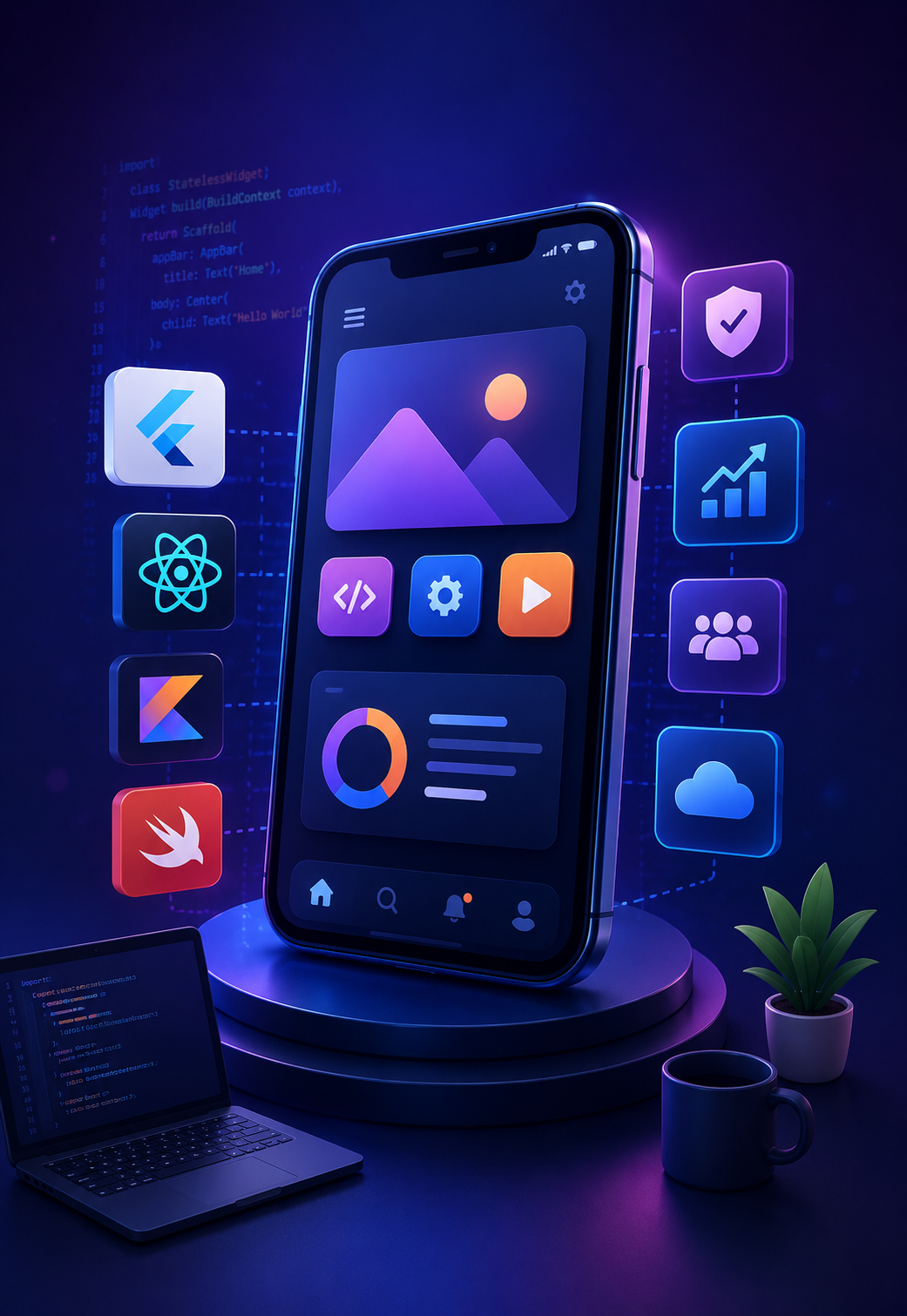
Flutter and React Native allow businesses to build iOS and Android apps from a single codebase. They reduce development time, lower costs, and deliver near-native performance with faster deployment cycles.
Modern mobile apps increasingly use AI and machine learning for recommendations, image recognition, and smart automation. Technologies like Core ML enable faster, private, and on-device intelligent experiences.
Different industries fail in different ways. We build mobile apps with the stability, compliance, and scale each sector actually needs.

Applications help manage consultations and patient records. They also handle real-time interactions while keeping things stable for care teams.
Applications help manage consultations and patient records. They also handle real-time interactions. This is done while keeping things stable and making sure data is handled in a way. This is really important, in places where things have to work all the time. Clear triage and follow-up paths reduce guesswork when schedules are full. Access controls and audit trails support trust without slowing clinicians down.

Performance directly impacts conversions. Fast browsing, stable checkout, and traffic spikes handled without slowing down.
Performance directly impacts conversions. The focus stays on fast product browsing, stable checkout flows, and handling traffic spikes without slowing down during high-demand periods. Catalog slices, image lazy-loading, and predictable pagination keep first paint sharp. Cart and payment steps recover gracefully from brief network blips. Inventory and promos stay in sync so shoppers rarely hit dead ends. Search and filters stay responsive on mid-range devices.

Financial applications require precise execution—secure authentication, real-time transactions, and stable integrations.
Financial applications require precise execution. Secure authentication, real-time transactions, and stable integrations are handled in environments where even small delays create larger risks. Step-up checks feel fast, not blocking. Ledger updates and receipts stay consistent across channels. Monitoring catches anomalies early so teams can intervene before balances drift. Third-party rails fail over cleanly instead of leaving users stuck.

Operations depend on visibility—tracking, route updates, and coordination without interruptions.
Operations depend on visibility. Apps handle tracking, route updates, and backend coordination so businesses can monitor movement without interruptions. Drivers get clear manifests and exception flows when a stop slips. Dispatch dashboards reflect live ETAs without hammering the API. Proof-of-delivery and handoff scans close the loop for finance and support. Offline pockets buffer critical reads until signal returns.

Users don't always have stable connections. Platforms handle offline access and consistent delivery across devices.
Users don't always have stable connections. Platforms are designed to handle offline access and consistent content delivery across devices. Lessons, quizzes, and media resume where learners left off. Progress syncs when connectivity returns without duplicate submissions. Classroom and cohort views stay legible on small screens. Release cadence favors stability so exam week is never a surprise deploy.

Growth can be unpredictable. Applications manage real-time updates and scaling without performance drops.
Growth can be unpredictable. Applications are built to manage real-time updates and scaling challenges without performance drops. Feeds and notifications batch sensibly under load. Moderation queues stay usable when spikes hit. Media and chat avoid blocking the main thread on modest phones. Feature flags and gradual rollout limit blast radius when experiments ship.
Speed and coordination matter—matching, notifications, and transactions designed to work without delays.
Speed and coordination matter. Matching systems, notifications, and transaction handling are designed to work without delays. Supply and demand signals update without thrashing the client. Push and in-app alerts respect quiet hours yet surface time-sensitive offers. Disputes and payouts follow transparent states both sides can track. Maps and ETAs stay honest when traffic or weather shifts mid-trip.

Search experience defines usability—filters, maps, and listing performance reduce friction in discovery.
Search experience defines usability. Filters, maps, and listing performance are structured to reduce friction in property discovery. Saved searches and alerts feel instant without re-querying everything. Tour scheduling respects agent calendars and time zones. Document rooms keep versions tidy for buyers, sellers, and counsel. Performance budgets stop galleries from freezing mid-scroll.

Ordering flows must remain fast and reliable. Every step—from browsing to checkout—is optimized to reduce drop-offs.
Ordering flows must remain fast and reliable. Every step—from browsing to checkout—is optimized to reduce drop-offs. Reservations and kitchen pacing stay aligned when dine-in, pick-up, and delivery peak together. KDS and courier handoffs match promised prep times. Payments, tips, and retries stay calm so one hiccup does not abandon the basket. Loyalty and menu updates stay quick on everyday staff devices.

Applications support internal operations—multi-user dashboards and integrations built for consistent performance.
Applications support internal operations. Multi-user environments, dashboards, and integrations are structured for consistent performance. Role-aware navigation keeps noise low for each persona. Heavy charts stream aggregates instead of shipping giant payloads. Webhooks and imports retry with backoff so nightly jobs finish cleanly. Observability ties UI latency to backend queues for faster triage.
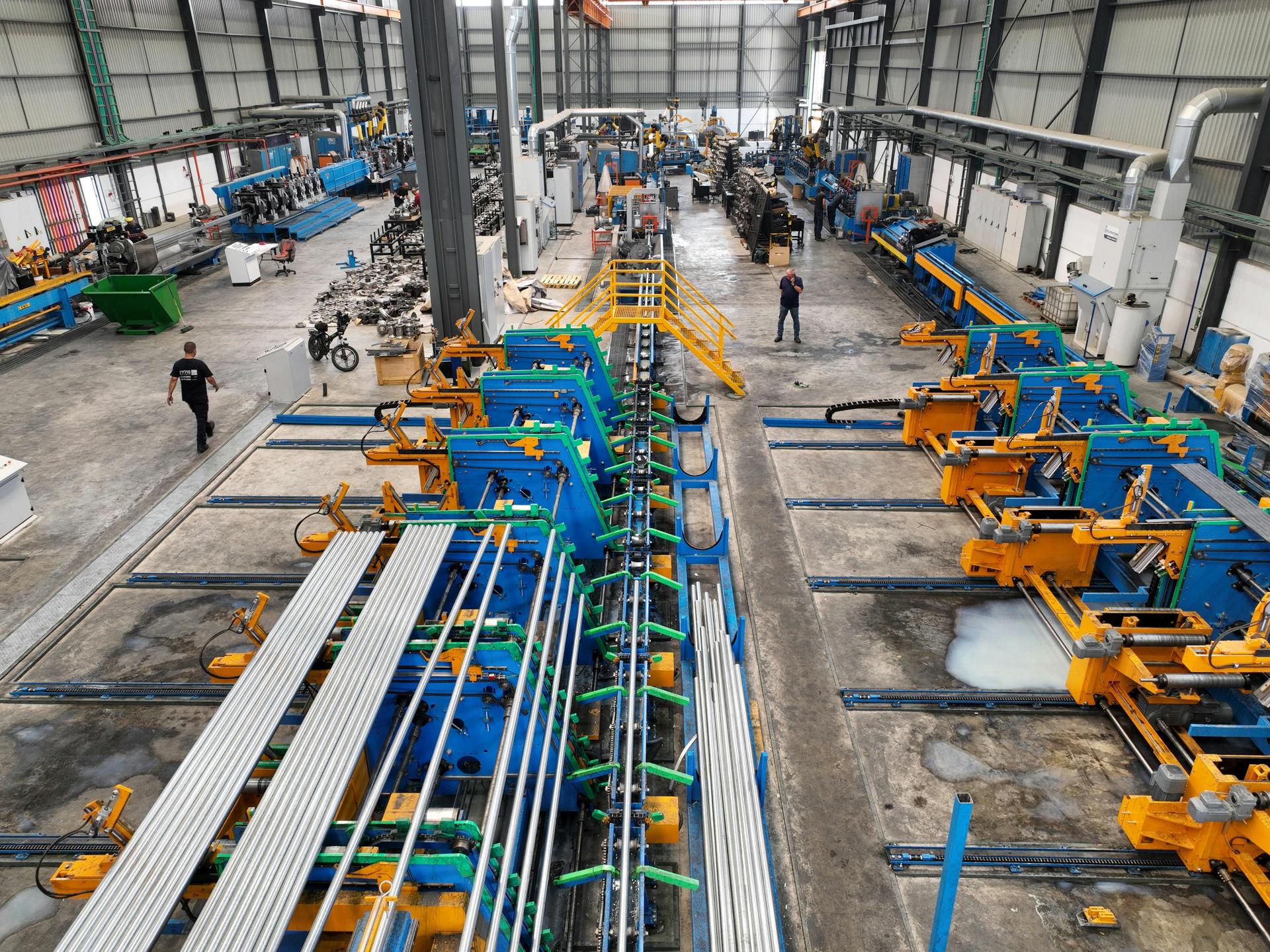
Legacy systems are common. Apps integrate without replacing existing infrastructure entirely.
Legacy systems are common. Apps are designed to integrate without replacing existing infrastructure entirely. Read-only mirrors and scoped writes reduce risk to PLCs and historians. Floor tablets tolerate gloves, dust, and intermittent Wi-Fi. Shift handovers capture notes and counts without duplicate entry. Change windows and staged rollouts avoid surprises during production peaks.

Users expect instant results—booking flows and real-time updates without delays or inconsistencies.
Users expect instant results. Booking flows and real-time updates are handled without delays or inconsistencies. Fare and room rules evaluate quickly before checkout. Itinerary changes propagate to wallets and notifications in one pass. Partner feeds degrade gracefully when an upstream API slows. Currency and locale stay coherent across search, pay, and post-trip support.
Applications help manage consultations and patient records. They also handle real-time interactions while keeping things stable for care teams.
Applications help manage consultations and patient records. They also handle real-time interactions. This is done while keeping things stable and making sure data is handled in a way. This is really important, in places where things have to work all the time. Clear triage and follow-up paths reduce guesswork when schedules are full. Access controls and audit trails support trust without slowing clinicians down.
Performance directly impacts conversions. Fast browsing, stable checkout, and traffic spikes handled without slowing down.
Performance directly impacts conversions. The focus stays on fast product browsing, stable checkout flows, and handling traffic spikes without slowing down during high-demand periods. Catalog slices, image lazy-loading, and predictable pagination keep first paint sharp. Cart and payment steps recover gracefully from brief network blips. Inventory and promos stay in sync so shoppers rarely hit dead ends. Search and filters stay responsive on mid-range devices.
Financial applications require precise execution—secure authentication, real-time transactions, and stable integrations.
Financial applications require precise execution. Secure authentication, real-time transactions, and stable integrations are handled in environments where even small delays create larger risks. Step-up checks feel fast, not blocking. Ledger updates and receipts stay consistent across channels. Monitoring catches anomalies early so teams can intervene before balances drift. Third-party rails fail over cleanly instead of leaving users stuck.
Operations depend on visibility—tracking, route updates, and coordination without interruptions.
Operations depend on visibility. Apps handle tracking, route updates, and backend coordination so businesses can monitor movement without interruptions. Drivers get clear manifests and exception flows when a stop slips. Dispatch dashboards reflect live ETAs without hammering the API. Proof-of-delivery and handoff scans close the loop for finance and support. Offline pockets buffer critical reads until signal returns.
Users don't always have stable connections. Platforms handle offline access and consistent delivery across devices.
Users don't always have stable connections. Platforms are designed to handle offline access and consistent content delivery across devices. Lessons, quizzes, and media resume where learners left off. Progress syncs when connectivity returns without duplicate submissions. Classroom and cohort views stay legible on small screens. Release cadence favors stability so exam week is never a surprise deploy.
Growth can be unpredictable. Applications manage real-time updates and scaling without performance drops.
Growth can be unpredictable. Applications are built to manage real-time updates and scaling challenges without performance drops. Feeds and notifications batch sensibly under load. Moderation queues stay usable when spikes hit. Media and chat avoid blocking the main thread on modest phones. Feature flags and gradual rollout limit blast radius when experiments ship.
Speed and coordination matter—matching, notifications, and transactions designed to work without delays.
Speed and coordination matter. Matching systems, notifications, and transaction handling are designed to work without delays. Supply and demand signals update without thrashing the client. Push and in-app alerts respect quiet hours yet surface time-sensitive offers. Disputes and payouts follow transparent states both sides can track. Maps and ETAs stay honest when traffic or weather shifts mid-trip.
Search experience defines usability—filters, maps, and listing performance reduce friction in discovery.
Search experience defines usability. Filters, maps, and listing performance are structured to reduce friction in property discovery. Saved searches and alerts feel instant without re-querying everything. Tour scheduling respects agent calendars and time zones. Document rooms keep versions tidy for buyers, sellers, and counsel. Performance budgets stop galleries from freezing mid-scroll.
Ordering flows must remain fast and reliable. Every step—from browsing to checkout—is optimized to reduce drop-offs.
Ordering flows must remain fast and reliable. Every step—from browsing to checkout—is optimized to reduce drop-offs. Reservations and kitchen pacing stay aligned when dine-in, pick-up, and delivery peak together. KDS and courier handoffs match promised prep times. Payments, tips, and retries stay calm so one hiccup does not abandon the basket. Loyalty and menu updates stay quick on everyday staff devices.
Applications support internal operations—multi-user dashboards and integrations built for consistent performance.
Applications support internal operations. Multi-user environments, dashboards, and integrations are structured for consistent performance. Role-aware navigation keeps noise low for each persona. Heavy charts stream aggregates instead of shipping giant payloads. Webhooks and imports retry with backoff so nightly jobs finish cleanly. Observability ties UI latency to backend queues for faster triage.
Legacy systems are common. Apps integrate without replacing existing infrastructure entirely.
Legacy systems are common. Apps are designed to integrate without replacing existing infrastructure entirely. Read-only mirrors and scoped writes reduce risk to PLCs and historians. Floor tablets tolerate gloves, dust, and intermittent Wi-Fi. Shift handovers capture notes and counts without duplicate entry. Change windows and staged rollouts avoid surprises during production peaks.
Users expect instant results—booking flows and real-time updates without delays or inconsistencies.
Users expect instant results. Booking flows and real-time updates are handled without delays or inconsistencies. Fare and room rules evaluate quickly before checkout. Itinerary changes propagate to wallets and notifications in one pass. Partner feeds degrade gracefully when an upstream API slows. Currency and locale stay coherent across search, pay, and post-trip support.
A strong process is what keeps projects on track. Every Space to Tech engagement follows a clear, structured workflow to ensure smooth communication, timely delivery, and reliable results.
Step 1: Discovery and Requirement Analysis
Architects document your full estate and identify risks to define measurable success criteria for year one.
Step 2: UI/UX Design and Prototyping
A structured health assessment provides a complete diagnosis of security and performance before assuming full operational responsibility.
Step 3: Agile Development Sprints
Benchmarking SLAs against current performance to align commercial terms and resources with your specific enterprise roadmap.
Step 4: QA and Testing
Parallel pod shadowing ensures undocumented processes are captured, enabling your internal team to focus on business growth.
Step 5: App Store Submission and Deployment
Providing 24/7 proactive monitoring, incident management, and bug fixes to ensure mission-critical stability and system uptime.
Step 6: Post-Launch Support and Maintenance
Strategizing enhancements and automations to improve operational efficiency while reducing your total cost of software ownership.


Recognized. Trusted. Preferred
We are proud to be recognized by leading platforms and industry experts for our innovation, impact, and excellence

Top Mobile App Developers

Top Mobile App Developers

Top Mobile App Developers

Top Mobile App Development

Top Mobile App Developers
Excellence isn't claimed.It's recognized
These achievements reflect our commitment to
delivering world-class AI solutions that help
businesses grow and lead
These achievements reflect our commitment to
delivering world-class AI solutions that help
businesses grow and lead
So how does it work?
Check for yourself by their feedback.
From idea to launch, we help startups and enterprises build scalable apps, AI solutions & custom software.
150+Projects Delivered

UAE

USA

INDIA